Credit risk analysis- a case study of canara bank
All the people who need loan may turn to their local banks, credit unions or peer to peer lenders. Every lending institution has its own advantages and drawbacks. In this scenario credit risk management becomes increasingly important element as the same is concerned with managing the financial debts and safeguarding the interest of the banks. The purpose of credits given by banks is to earn interest and make profits. The important function of credit management is to decide how much credit should be given to the borrower and ensuring compliances with the credit terms of repayment and avoid Non-Performing Assets (NPA) to the banks. Credit risk is the biggest risk the bank faces by the virtue of nature of business, inherits. The ability of commercial banks to formulate and adhere to policies and procedures that promote credit quality and curtail non-performing loans is the means to survive in the stiff competition. Inability to create and build up quality loans and credit worthy customers leads to default risk and bankruptcy as well as hamper the economic growth of the country
 Shaila kamath
Victim-offender mediation as a model of restorative justice: an analytical descriptive study in the egyptian law
This chapter delves into the emergence of restorative justice in the 1960s, rooted in the conflict resolution methods of indigenous communities in the United States and Canada. Contrasting sharply with traditional criminal justice, restorative justice places disputing parties at the forefront, enabling offenders to confess their guilt directly to victims through dialogue, aiming to repair harm and achieve satisfaction and social reintegration. This chapter illuminates restorative justice's concept, origins, characteristics, principles, and differences from conventional justice. It explores victim-offender mediation, highlighting its advantages, and examines restorative justice practices in Egypt, including the criminal reconciliation system and police mediation. This chapter raises key questions about these practices and their application in the Arab context, offering insights into a field yet to gain widespread recognition in the region. Employing an analytical descriptive approach, it relies on legal references to deepen understanding and development.
 Prof. ramy el-kady
Optimum decimation and filtering for reconfigurable sigma delta adc
The Sigma Delta Analog to Digital Converter (SD-ADC) with passive analog components is presented. The digital blocks required for creating the samples with required sample rate and word length from the 1 bit ADC output are presented. The digital filters are initially modeled in MATLAB Simulink and validated in frequency domain. Further they are synthesized to Xilinx Spartan-6 FPGA technology. The synthesis results report clock speeds up to 300MHz. The simulation results are used to validate the principle and verify the performance of SD-ADC. The results demonstrate a promising technology area of realizing SD-ADC as a reconfigurable block on FPGA to meet several signal processing applications with sampling rates up to few hundreds of KHz
Development and validation of stability indicating analytical method for simultaneous estimation of miconazole and ornidazole in their combined marketed dosage form
A simple, precise, accurate, sensitive, specific and reliable stability indicating RP-HPLC method was developed for the simultaneous estimation of Miconazole (MIC) and Ornidazole (ORN) in pharmaceutical dosage form. The method was developed with mobile phase containing buffer (0.05M potassium dihydrogen ortho phosphate, ph3.5): Methanol in the ratio of 25:75, C18 (250 x 4.6mm, 5µm) as a stationary phase and flow rate was 1 ml/min. Detection was carried out at 236nm in UV-2000 detector. The selected chromatographic conditions were found effectively to separate Miconazole and Ornidazole at 6.58 and 3.26 min respectively. The proposed method has been validated for precision, accuracy, robustness. Thus, the statistical analysis confirms that developed methods were successfully used for analysis of formulation and thereby can be used for routine analysis of drugs in Quality Control laboratories.
 Prachi barbhaiya
Comparison between isoflurane and sevoflurane in inhalation anesthesia: a prospective study
Inhalation of a gas anesthetic produces rapid induction of anesthesia without the need for intravenous drugs. Although it is specifically useful for patients who are afraid of injections or if their intravenous access is difficult, single-breath induction may also allow patients to wake up more quickly than intravenous induction drugs. The object of this study is to compare isoflurane and sevoflurane during inhalation in Libyan patients undergoing surgery in terms of side effects like blood pressure and heart rate changes and complications. Seventy- five patients were recruited in this study from different hospitals in Benghazi City, Libya (January to March, 2022) including Aljalaa Hospital and Alatfal Hospital, and data including side effects and complications were collected through data collection. Surgeries that used isoflurane, or sevoflurane or both inhalation gases for anesthesia were included in our data. While the surgeries which did not use any of these inhalation gases were excluded from our data. When we compared the side effects of using isoflurane with sevoflurane according to the age group, we found that hypotension is the most occurring side effect companies to the use of isoflurane in our adult population (28.6%) and in pediatrics (14.3%) but there was a low incidence of other side effects related to sevoflurane administration. Regarding to side effects related to the use of sevoflurane according to the age groups, 16 adult Libyan patients experienced no side effects (61.5%) compared to 10 children (38.5%). It can be concluded that both isoflurane and sevoflurane are suitable for daycare anesthesia. Sevoflurane might be an ideal drug for single-breath inhaled induction of anesthesia due to it has fewer side effects and complications.
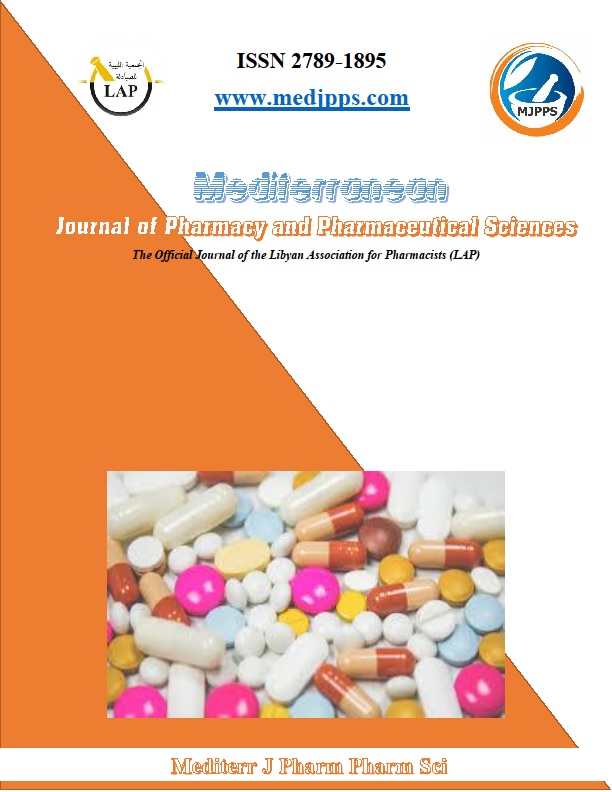 Mediterranean journal of pharmacy and pharmaceutical sciences
Financial accounting - accounting is a fundamental aspect of business operations
Accounting is a fundamental aspect of business operations because it records transactions through which businesses achieve and retain profitability. Recoding transactions is an important aspect of business because the primary goal of businesses is to maximise profitability (Tirole, 2010). Accounting lays the groundwork to manage the income, expenses, assets and cash flow of the firm, all of which are pivotal to the financial health of the business regardless of its size. This report discusses different accounting principles in practice. The first task utilises the double-entry method to record the transactions of the business in ledgers using the double-entry method. This task also includes the formulation of a trial balance using the balance off rule and illustrates to which final account each trial balance entry is attributable. The second task involves the creation of final accounts for different businesses. The legal implications of varying business structures differ, so their financial statements are different. This task also includes a discussion of the properties, purposes, and structures of different financial statements. The third task addresses bank reconciliation. Bank reconciliation resolves any discordance between the records of the business and its bank statement. The gist of the fourth task is the use of control accounts. Control accounts summarise ledger balances to ensure a match between those accounts and the accounts in the ledger of each account.
 Zamzam abdelazim
Assessment of knowledge and awareness of community pharmacist toward epilepsy
Community pharmacist plays an essential role in educating the epileptic patients about their disease and medications. Improving the patient’s awareness may lead to improve their compliance and decrease drug-drug interaction and ultimately improve their quality of life. Pharmacist can detect the emergence of health problems and can help prevent progression of comorbidities. Considering the complexity of treating epilepsy and the lack of information about pharmacists’ contributions to epilepsy management, pharmacist performed pharmaceutical counselling, pharmaco-therapeutic follow-up and systematic measurement and evaluation of findings and increase medication adherence of patient with epilepsy. This study was aimed to assess the community pharmacist's knowledge about epilepsy and their treatment by antiepileptic drugs in Libya. The design of the study is a cross sectional study. The knowledge was collected through a questionnaire which included 35 questions divided into three sections: demographic data, general information about epilepsy and information about epilepsy and antiepileptic drugs. The questionnaire was prepared and validated by consultant training in Ali Omer Asker Hospital in Tripoli for two months. The findings indicate that over 200 patients are altered viewed, of whom, only epileptic patients were observed. The majority of the participants were female, qualification degree BSc and years of experience from one to five years. Unfortunately, some of the participants (40.0%) had poor knowledge and about 60.0% of them had good knowledge. This study indicates that the importance of community pharmacist in Libya requires more improvement to achieve the existing function and that the impact of continuous study of everything related to diseases and medicines is important to obtain a qualified pharmacist who can become an effective agent for a change.
Mediterranean journal of pharmacy and pharmaceutical sciences
Got faith?-an in-depth analysis and review of five faith-based prisoner reentry programs in florida
In the United States, prisoner reentry programs are a necessity to re-integrate back into society and are of two types: Faith and Non-Faith. With increased emphasis placed on reforming the criminal justice system policies due to Black Lives Matter and other non-profits actively working to change the system from the outside, reentry programs are having a resurgence of interest for effective public policy. There are significant barriers for major policies at the state, local, and federal to be alleviated, nevertheless, our research wanted to consider the effectiveness of five faith-based, male-only reentry programs in central Florida. Small focus groups were utilized to better understand the concerns and issues returning inmates faced in the program as well as when returning to society. Reentry participants were found to have high confidence in the success of their participation in their faith-based program’s efforts on their personal and family growth.
 International journal of business and social science research
Anticarcinogenic activity of capsaicin in hot chili pepper in relation to oral submucous fibrosis
A burning sensation on eating spicy foods purportedly supports the role of capsaicin, an active component of chili peppers, in the etiology of oral submucous fibrosis (OSF). Although the mast cell mediators and activated P2X receptors induce a constant burning sensation through an ATP-dependent mechanism, it is the activation of the transient receptor potential vanilloid 1 (TRPV-1) receptor by capsaicin that aggravates it. The molecular basis for the burning pain in OSF is thus attributable to the activation of TRPV1. There is overwhelming evidence that confirms capsaicin has more of a protective role in attenuating fibrosis and is potentially therapeutic in reversing conditions linked to collagen accumulation. The activation of TRPV-1 by capsaicin increases intracellular calcium ([Ca2+]i), upregulates AMP-activated protein kinase (AMPK) and Sirtuin-1 (SIRT-1), to enrich endothelium-dependent vasodilation via endothelial nitric oxide synthase (eNOS). The induction of vasodilation induces antifibrotic effects by alleviating hypoxia. The antifibrotic effects of capsaicin are mediated through the upregulation of antioxidant enzymes, downregulation of inflammatory genes and suppression of new collagen fibril formation. Capsaicin also demonstrates an anticarcinogenic effect by upregulating the cytotoxic T cells and downregulating regulatory T cells through the inhibition of angiogenesis and promotion of apoptosis. Judicious administration of capsaicin with an appropriate delivery mechanism may have therapeutic benefits in reducing pain sensation, rendering antifibrotic effects, and preventing the malignant transformation of OSF. This paper provides an overview of the molecular basis of capsaicin and its therapeutic application as an antifibrotic and anticarcinogenic agent for the treatment of OSF
 Mohit sharma
La surenchère lexicale dans le ventre, le pain ou la cendre de tchicaya u tam’si
Cet article porte sur l’ouvrage Le ventre, le pain ou la cendre de Tchicaya U Tam’si. À partir des approches linguistique, stylistique et sémiotique, nous avons tenté de montrer, dans notre analyse, en quoi l’écriture de ce recueil construit des stratégies discursives propres à retenir l’attention du récepteur. À cet effet, nous avons relevé deux principales figures de rhétoriques à savoir, l’emphase et l’hyperbole. Ces deux procédés de style produisent d’une part un effet d’insistance du procès poétique ; et de l’autre, un effet d’amplification du langage poétique.
In vitro microscopic study of calcium oxalate monohydrate crystals growth patterns
The present study aimed to explore the possible morphological features and growth patterns of calcium oxalate monohydrate crystals. The study was carried out on a glass slide under the microscope. The results showed that the calcium oxalate monohydrate crystals may be arborescent, donut, dumbbell, needles, platy, prismatic, rosette, round edges, loose agglomerates and compact aggregates. The study provides detailed information about calcium oxalate monohydrate crystals' morphology and aggregation patterns.
 Dr. salman ahmed
Coronary artery dimensions as determined by intravascular ultrasound in an indian population
Background: Percutaneous coronary intervention (PCI) has remained one of the greatest treatment modalities of the spectrum of atherosclerotic coronary artery disease over the past few years due to its high efficacy and minimal invasiveness. The most common cause of stent failure is stenting under-expansion, which complicates PCI. Thus, it is tremendously important to perform PCI relying on the precise measurement of the size of the coronary artery obtained with the help of intracoronary imaging. There is limited data on the size of coronary arteries as measured by intravascular ultrasound (IVUS) in India and specifically in southern India. This study, conducted between January 2022 and March 2023, aimed to estimate the coronary artery dimensions, which can serve as a guide to PCI when intracoronary imaging is not available Methods: A sample size of 165 patients with proven coronary artery disease undergoing IVUSguided PCI during acute or chronic coronary syndrome were recruited, and coronary arterydimensions were measured in this research work. The mean arterial size and predictors of the arteries were reviewed. Results: A total of 165 patients with 590 coronary artery segments were recruited: the mean left main (LM), external elastic membrane (EEM) diameter, and cross-sectional area (CSA) were 4.92 ± 0.41 mm and 17.83 ± 2.88 mm2 proximal left anterior descending (LAD) artery, 3.75 ± 0.32 mm and 13.74 ± 2.45 mm2 the mid-LAD 3.42 + 0.28 mm and 10.65 + 2.08 mm2 the distal LAD 2.94 + 0.31 mm and 7.98 + 2.07 mm2 the proximal left circumflex artery (LCX) 3.62 ± 0.32 mm and 11.67 ± 2.36mm2, the distal LCX 2.91 ± 0. 33 mm and 8.98 ± 2.22mm2 the proximal right coronary artery (RCA) 4.17 ± 0.41 mm and 14.82 ± 2.78 mm2 the mid-RCA 3.85 ± 0.36 mm and 12.94 ± 2.44 mm2, the distal RCA 3.43 ± 0.30 mm and 11.08 ± 2.05 mm2, respectively. The predictor of most epicardial coronary arteries is body surface area (BSA) with positive linear correlation. Conclusions: Measurements of the coronary arteries obtained were comparable to the previous data on coronary artery size of Southeast Asia and Caucasian populations using IVUS. BSA is an independent predictor for the majority of epicardial coronary arteries with a positive linear relationship. Male gender and hypertension also positively correlate with larger coronary artery dimensions, while dyslipidemia leads to smaller coronary artery sizes. Neither diabetes nor smoking influences coronary artery size in the current study. Finally, the quantification of the size of the coronary artery will help the clinician to have a reference dimension in instances where there is no intravascular imaging available.
 Karishma
Deep learning-based detection system for heavy-construction vehicles and urban traffic monitoring
In this intelligent transportation systems era, traffic congestion analysis in terms of vehicle detection followed by tracking their speed is gaining tremendous attention due to its complicated intrinsic ingredients. Specifically, in the existing literature, vehicle detection on highway roads are studied extensively while, to the best of our knowledge the identification and tracking of heavy-construction vehicles such as rollers are not yet fully explored. More specifically, heavy- construction vehicles such as road rollers, trenchers and bulldozers significantly aggravate the congestion in urban roads during peak hours because of their deadly slow movement rates accompanied by their occupation of majority of road portions. Due to these reasons, promising frameworks are very much important, which can identify the heavy-construction vehicles moving in urban traffic-prone roads so that appropriate congestion evaluation strategies can be adopted to monitor traffic situations. To solve these issues, this article proposes a new deep-learning based detection framework, which employs Single Shot Detector (SSD)-based object detection system consisting of CNNs. The experimental evaluations extensively carried out on three different datasets including the benchmark ones MIO-TCD localization dataset, clearly demonstrate the enhanced performance of the proposed detection framework in terms of confidence scores and time efficiency when compared to the existing techniques.
 Sreelatha r
Foreign policy change under authoritarian leaders: analysis of uzbekistan’s foreign policy in the post-cold war era
The growing study of foreign policy change offers various explanations of change and continuity in foreign policy. By focusing on the actors of foreign policy decision-making, past scholarship has mainly concentrated on the role of institutional and noninstitutional factors in foreign policy change. However, decentralized decision-making is more relevant to democratic regimes than authoritarian regimes. Despite the abundance of case studies on foreign policy making in nondemocracies, advancements in the conceptual understanding of foreign policy change in authoritarian regimes are still needed. Addressing Uzbekistan’s foreign policy, this article proposes an advanced framework to explain why and how foreign policy change takes place under authoritarian leaders. A leader’s perception of the external environment is argued to be a decisive factor inducing authoritarian leaders to (re)consider their regime survival strategy. Concern with regime survival, in turn, shapes foreign policy goals which are manifested in distinctive foreign policy behavior of a leader. Ultimately, the behavior of a leader translates into certain foreign policy outcomes.
 Feruza madaminova
Using common medicinal plants to treat high blood pressure: an updated overview and emphasis on antihypertensive phytochemicals
The primary cause of many fatalities is hypertension (high blood pressure). Many hypertensive patients are not even aware that they have the condition. As a result, hypertension is sometimes referred to as a silent killer. Until the harmful effects of high blood pressure, such as myocardial infarction, stroke, renal abnormalities, and vision problems, are identified, hypertension is typically asymptomatic. Without the use of herbs and dietary control, conventional medication therapy could not be enough to treat hypertension. The growing number of persons with high blood pressure can be effectively treated using alternative medicine. Numerous alternative therapies, such as diet, exercise, stress management, vitamins, and herbs, have been proven to be effective in lowering high blood pressure. There are several medications available to treat this disorder however popular antihypertensive medications typically have a long list of adverse effects. Numerous active ingredients with pharmacological and preventative qualities found in medicinal plants can be used to treat hypertension. This review discusses an overview of important medicinal plants and phytochemicals with hypotensive or antihypertensive effects.
Mediterranean journal of pharmacy and pharmaceutical sciences
Students' perspective about the usage of photovoice method in the classroom: a case study of ho chi minh city open university in vietnam
The formation of social sciences in general, and sociology in particular, often includes foundational courses such as Introduction to Sociology as part of its curriculum. Many of these courses traditionally place the teacher at the center of teaching, with learners acting as passive recipients of knowledge. This approach limits learners' initiative in seeking knowledge and expressing their own perspectives on social issues, thus excluding them from the knowledge production process. This contradicts modern educational principles that emphasize learner participation in the educational process. Therefore, adopting a constructivist perspective of teaching necessitates the use of new teaching methods, with the Photovoice method being one of the essential tools due to its emphasis on participatory learning. Participatory learning involves students actively engaging with and redefining the knowledge presented in the classroom, rather than passively receiving it. This paper describes our experience using the Photovoice method in the Introduction to Sociology course at Ho Chi Minh City Open University, Vietnam, during the first semester of the 2023-2024 school year. Additionally, the paper presents survey results reflecting students' opinions on the Photovoice method after completing the course. The survey data indicates that Photovoice is an effective pedagogical tool.
 Le minh tien
Effect of occupational exposure on hematological and biochemical parameters in workers at oil and gas companies
Petroleum refineries are largest chemical industries that are responsible for emission of several pollutants into the atmosphere. Benzene and its metabolites are regarded as the most hazardous compounds that are emitted by petroleum refineries. These contribute to toxic oxidants, which cause many serious health risks to petroleum refineries workers. This study was aimed to analyze the effects of chemical exposure on hematological and biochemical parameters among workers at Zawia oil refinery and Mellituh oil and gas refinery companies. A total of 200 workers participated in this study which consisting of two equal groups (each group: n = 100). The first group consists of petroleum refineries workers and the second group consists of non-oil work civil servants serving were recruited as exposed and control subjects, respectively. The results of blood picture, liver enzymes and kidney functions were compared between the groups. Mean white blood cells counts, platelet counts, and hematocrit count were significantly higher, while the mean red blood cells count was insignificantly changed in petroleum refineries workers. While the mean hemoglobin and corpuscular hemoglobin concentration levels were significantly lower, whereas the mean corpuscular volume and mean corpuscular hemoglobin levels were insignificantly changed in petrol refineries workers. Liver enzymes and renal functions were significantly higher in petrol refineries workers. The present findings indicate that occupational exposure to benzene causes significant alterations in hematological and biochemical parameters and workers are at high risk of developing blood, hepatic or renal related disorders. Protection and frequent medical attention should be given to petroleum refineries workers.
Mediterranean journal of pharmacy and pharmaceutical sciences
Antecedents of fintech adoption: an empirical study among millennials's attitude and intention
Purpose: With an increase in updated technologies use of Fintech services have also been increased. Intention to use of Fintech services largely depend upon attitude of individuals towards adoption of these services. Drawing upon the Technology Innovation Model (TAM) theory this paper observes different factors associated with customer’s attitude towards acceptance of fintech facilities provided by banks that in turn affect intent about usage of these services. The features like Supposed Utility, Apparent Comfort for Usage, Supposed Peril, Trust Factor, Administration Sustenance, Consumer Innovativeness, Attitudes in the direction of Acceptance, Intent in the direction of Adoption are used in this study. Methodology: The data was collected from residents of Delhi using a survey method through online mode. A well-structured questionnaire was circulated among customers with the help of employees of each branch by using the online platform WeChat. Also, Questionnaire was circulated among customers with the help of employees of each branch who gave them proper instructions to fill the questionnaire. It was circulated through WeChat. To inspect the strength of the association amid factors, , Confirmatory Factory Analysis (CFA) and regression path analysis were applied using SEM in AMOS software. Findings: The findings revealed that Government Support is a key predictive variable for the adoption of Fintech services. Whereas Perceived Ease of Use and Perceived Risk are not significantly supported the attitude towards adoption of Fintech services. While other factors slightly supported attitude towards adoption. Practical Implications: The findings of this article are useful for banks to provide empirical framework for customers to adopt new, user-centered fintech services. Originality/Value: This article in useful for the banking institutions, Government agencies and insurance companies provide empirical framework for customers to adopt new, user-centered fintech services.
 Nandini jagannarayan
Cardiovascular, respiratory and all-cause (natural) health endpoint estimation using a spatial approach in malaysia
In 2016, the World Health Organization (WHO) estimated that approximately 4.2 million premature deaths world wide were attributable to exposure to particulate matter 2.5 μm (PM2.5). This study assessed the environmental burden of disease attributable to PM2.5 at the national level in Malaysia. We estimated the population-weighted exposure level (PWEL) of PM10 concentrations in Malaysia for 2000, 2008, and 2013 using aerosol optical density (AOD) data from publicly available remote sensing satellite data (MODIS Terra). The PWEL was then converted to PM2.5 using Malaysia's WHO ambient air conversion factor. We used AirQ+ 2.0 software to calculate all-cause (natural), ischemic heart disease (IHD), stroke, chronic obstructive pulmonary disease (COPD), lung cancer (LC), and acute lower respiratory infection (ALRI) excess deaths from the National Burden of Disease data for 2000, 2008 and 2013. The averagePWELs for annual PM2.5 for 2000, 2008, and 2013 were 22 μg m-3, 18 μg m-3 and 24 μg m-3, respectively. Using the WHO 2005 Air Quality Guideline cut-off point of PM2.5 of 10 μg m-3, the estimated excess deaths for 2000, 2008, and 2013 from all-cause (natural) mortality were between 5893 and 9781 (95 % CI: 3347–12,791), COPD was between 164 and 957 (95 % CI: 95–1411), lung cancer was between 109 and 307 (95 % CI: 63–437), IHD was between 3 and 163 deaths, according to age groups (95 % CI: 2–394) and stroke was between 6 and 155 deaths, ac-cording to age groups (95 % CI: 3–261). An increase in estimated health endpoints was associated with increased estimated PWEL PM2.5 for 2013 compared to 2000 and 2008. Adhering the ambient PM2.5 level to the Malaysian AirQuality Standard IT-2 would reduce the national health endpoints mortality
Ways to improve the indian education system
The number of institutions and enrollment in higher education continue their rapid growth, but the quality of this education remains uncertain. A small number of state subsidized institutions attract a thin top layer of talent from each year’s cohort. High selectivity of admission to these elite institutions provides a screen valued by potential employers. Domestic and foreign demand for the services of these few thousand students has created an inflated reputation of the overall quality of India’s higher education. The number of such graduates remains small relative to the population and the demands of India’s economy for educated manpower. Reliable estimates of value-added by higher education, beyond the screening value of admission to elite institutions, are needed to assess colleges and universities, and to guide educational policy. Graduate education the seed farm of higher education and scholarship continues in an alarming state of disarray with respect to both quality and quantity. Pressed by budgetary constraints, the government appears to have decided on profit-oriented privatization of higher education as the solution. Political and business classes, with significant overlap between the two, see higher education as a source of lucrative private returns on investment. There is little theoretical or empirical evidence that supports the prospects of success of a for-profit model in building quality higher education. Some recent proposals hold promise of radical reform and renovation, including regulatory restructuring. It remains unclear whether the government has the wisdom, determination, financing, and power to push reforms past the resistance from entrenched faculty and from the political and business classes. It’s absolutely true that the future and overall development of any country depends upon the fact that how educated its citizens are. Though, gaining a professional degree is not possible for everyone due to various reasons, but what actually matters is the basic education. That is, one should know how to read and how to write. India has shown significant improvement in education since 1947 until today. However, we believe that there is always some room for improvement in every field. So let us discuss 10 ways that can help us improve our education system. To strengthen the Indian Education System, an educational policy was adopted by the Indian Parliament in 1968. Education was made an important and integral part of the national development efforts. Our Government assumed full responsibility for the proper education of the children and adults. Hence, right to primary education or elementary education is now a fundamental right in India.
 Dr gedam kamalakar
Most Popular Category
- Pharmacy (270)
- Education and social science (224)
- Pharmacology (223)
- Pharmacognosy (178)
- Business management (147)
- Pharmacology and toxicology (134)
- Education and training (131)
- Pharmaceutical sciences (130)
- Medicine (129)
- Research (123)
- Health Science (100)
- Biological Sciences (99)
- Management (98)
- Computer Science (94)
- Public health (91)
- Computer Science Applications (87)
- Human resource management (83)
- Engineering (80)
- Accounting and finance (73)
- Information technology (69)