Antitussive effect of aerial parts of caesalpinia pulcherrima by sulphur dioxide induced cough in rats
Natural products have played an essential role in treating human diseases for thousands of years. According to WHO, 80% of the world’s population relies on traditional medicines to cure and prevent ailments. Numerous plants have been reported to have antitussive activity. Our present study aimed to evaluate the antitussive effect of aerial parts of ethanolic extract of Caesalpinia pulcherrima (Caesalpiniaceae) at 200 and 400 mg/kg doses in healthy albino rats. Caesalpinia pulcherrima is an ornamental plant, usually 3.7-4.3 m in height, known as Peacock flower and is used traditionally to treat cough, bronchitis and asthma. Cough significantly affects human health and is the most common reason to visit physicians. Cough may be produced due to disease, allergens, pollutants and respiratory infections. Any mechanical or inflammatory change provokes the afferent or sensory nerves in the larynx and tracheobronchial, resulting in a cough. In this study, cough was induced by using the sulphur dioxide induction method. Animals were divided into four groups of 7 animals each, and all the drugs were administered orally. Group I was a control group, while group II was a standard taking Prospane. The extract showed highly significant results at 200 and 400 mg/kg doses compared to the control. So, it proves and supports the traditional use of Caesalpinia pulcherrima to relieve cough.
 Dr. salman ahmed
Analgesic and anti-inflammatory effects of phaseolus vulgaris l. fixed oil in rodents
The seeds of Phaseolus vulgaris are known as common beans or kidney beans. The dry seeds are eaten as pulse and are enriched with protein, fiber, starch, B vitamins (B1, B6, B9), iron, potassium and selenium. Beans also contain about 1-2 % of fixed oil. Phaseolus vulgaris is linked to anticancer, antihyperlipidemic, hypoglycemic, and antioxidant actions. The fixed oil of Phaseolus vulgaris (PVFO) seeds is extracted with hexane and used in this study to assess acute oral toxicity, analgesic (by acetic acid-induced writhing, hot plate and tail flick tests in mice) and antiinflammatory (by carrageenan-induced paw edema in rats) actions. Four groups were made (n=6): Group-I: Normal Saline Control (2ml/kg), Group-II: PVFO (2ml/kg), Group-III: PVFO (4ml/kg) and Group-IV: Standard Acetylsalicylic acid (ASA 300 mg/kg). PVFO in 2ml/kg and 4ml/kg doses demonstrated analgesic and anti-inflammatory activities, but in hot plate, results were unreliable as significant activity started after 90 minutes. A 5ml/kg dose was administered orally in mice for a toxicity test, and no toxicity symptoms were observed. Therefore, PVFO is safe for oral use up to 5ml/kg and may possess analgesic and anti-inflammatory actions.
Affective tendencies in embarrassing situations and academic cheating behavior
The purpose of this research was to investigate the relationship between affective tendencies in embarrassing situations and cheating behavior in a sample of adolescents. Two objectives were addressed: first, exploring the relationship between cheating behavior and shame-proneness, guilt-proneness, externalization, and detachment; second, analyzing the mediating role of detachment in the relationship between externalization and cheating behavior. The results showed positive correlations between the cheating behavior and externalization and detachment, a negative correlation with guilt, and no relation with shame. It was confirmed the mediating role of detachment. Implications for educators were discussed, emphasizing the importance of stimulation of students’ moral rules understanding.
Prevalence of tuberculosis in hadramout al-sahel, yemen: a 1-year cross-sectional study
Background: There is a lack of adequate data about the prevalence and types of tuberculosis (TB) disease in Hadramout Al-Sahel, Yemen. Hence, this study aimed to investigate the prevalence, types, and outcomes of TB disease in Hadramout Al-Sahel, Yemen. Materials and Methods: This cross-sectional study was conducted at the National TB Program (NTP) center in the city of Al Mukalla, Hadramout, Yemen. The study enrolled TB patients from different districts of Hadramout Al-Sahel who had registered at the NTP center between January 1 and December 31, 2021. Results: A total of 127 new active TB cases were recruited, including 102 (80.3%) with pulmonary TB (PTB) and 25 (19.7%) with extra PTB (EPTB). The overall prevalence of TB disease in 2021 was 12.7 new TB cases per 100,000 population, while the median age of the study population was 38 years. The majority of cases (23.6%) belonged to the age group of 35–44 years. There were 85 (66.9%) males, and most patients (74; 58.3%) were identified in Al Mukalla City. EPTB was detected in 25 (19.7%) patients, with pleural effusion being the most frequent manifestation, found in 12 (48.0%) patients. All patients received 4-agent anti-TB therapies; 99 (77.9%) patients received anti-TB therapy for 6 months; 9 (7.1%) patients received anti-TB therapy for 9–12 months; 8 (6.3%) patients died during treatment; and 11 (8.7%) patients were lost during follow-up. The majority of patients (108; 85%) were cured on completion of treatment. Conclusion: The prevalence of TB in Hadramout Al -Sahel was 12.7 cases per 100,000 population. Males were affected more than females; the pleura was the most commonly affected extrapulmonary site; and 85% of cases were cured. The results indicated the need to support the Al Mukalla NTP center, by providing more resources for improved TB reporting and for conduct of surveillance to detect new TB cases among high risk groups. Health authorities are also urged to provide state hospitals with the equipment needed for TB diagnosis.
 Karishma
Bridging the gap: a strategic review of natural product databases and the proposal for the libyan natural products database
Natural products are a vital source of therapeutic agents due to their diverse chemical structures and wide range of biological activities. With the advancement of computational technologies, natural product databases have become essential tools in drug discovery, offering organized access to chemical structures, biological properties, and biosynthetic information. These databases support various stages of drug development, from target identification to lead optimization. This review outlines the essential features of Natural Products Databases and introduces the framework for the first Libyan Natural Products Database, a project designed to harness Libya’s unique biodiversity. This foundational work involves a detailed review of existing natural product databases to identify their core components, data architectures, and user interface designs. While acknowledging challenges such as data standardization, limited resources, and long-term sustainability, the creation of the Libyan Natural Products Database is expected to enhance local scientific capacity and contribute meaningfully to the global drug discovery landscape. This positions the Libyan Natural Products Database to play a foundational role in advancing pharmaceutical research and drug discovery.
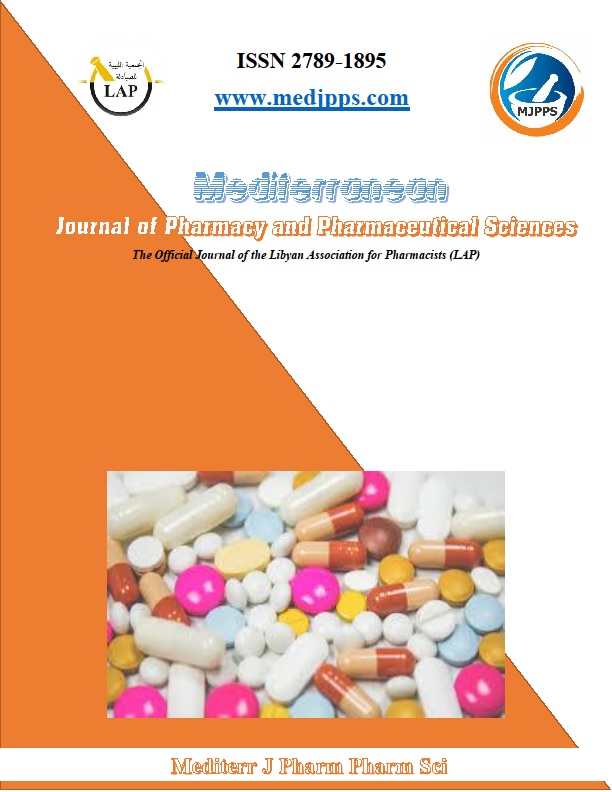 Mediterranean journal of pharmacy and pharmaceutical sciences
Management of an anticipated difficult airway due to a vallecular cyst in an adult patient: when surgical airway takes the lead!!
Vallecular cysts, although infrequent in adults, pose a challenge for anesthesiologists in view of the risk of airway obstruction at anesthesia induction or aspiration in case of cyst rupture. The present case is of a 35-year-old male patient who was scheduled for excision of a vallecular cyst. An awake technique was initially decided for nasotracheal intubation using a flexible videolaryngoscope, AmbuscopeTM, after complete topicalization of the airway with local anesthesia. However, anticipating the need for a tracheostomy, the surgical team was prepared, and this was timely chosen as the only viable option following failure to visualize the glottis despite negotiating every possible way around the cyst. This case highlights the successful management of a large vallecular cyst in an adult patient, where failed awake nasotracheal intubation despite optimal preparation necessitated an early, planned tracheostomy. This reiterates the fact that the surgical airway may not be always chosen as the last resort in crisis but also as a timely intervention to prevent an airway catastrophe.
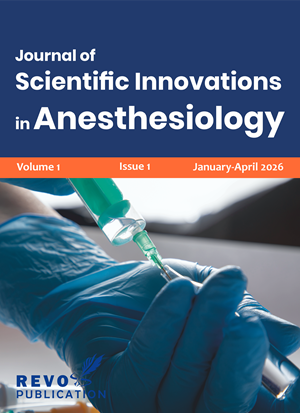 Journal of scientific innovations in anesthesiology
The emerging role of artificial intelligence in stem higher education: a critical review
Artificial Intelligence (AI) has emerged as a disruptive force with the potential to transform various industries, and the field of higher education is no exception. This critical review paper aims to examine the emerging role of AI in Science, Technology, Engineering, and Mathematics (STEM) higher education. The article explores the impact of AI on teaching and learning methodologies, curriculum design, student engagement, assessment practices, and institutional strategies. The review also highlights the potential benefits and challenges associated with integrating AI into STEM education and identifies key areas for future research and development. Overall, this article provides insights into how AI can revolutionize STEM higher education and offers recommendations for harnessing its full potential.
 Bharath kumar
In-vitro antioxidant and cardio-protective activity of hydro-alcoholic bark extract of terminalia paniculata roxb on isoproterenol induced myocardial infarction in rat’s
The present study was designed to evaluate the In vitro anti-oxidant cardio-protective activity of Hydro alcoholic bark extract of Terminalia paniculata Roxb on Isoproterenol induced Myocardial Infarction in Rat. Wistar albino rats used in this experiment were pretreated with vehicle, HAETP (200,400 and 600 mg/kg, p.o), Vit-C (20 mg/kg, p.o) for 14 days, on 14th and 15th day, Isoproterenol (85 mg/kg, s.c) was injected. After 24 h of last dose of ISO administration, ECG was recorded and serum biomarkers CK-MB, LDH, SGOT and SGPT were estimated. Further antioxidant levels were estimated from the tissue homogenates. Finally histopathological examination of heart was performed. HAETP have shown significant antioxidant activity in DPPH and reducing power methods. Moreover pretreatment with HAETP and Vit C improved ECG pattern and histopathology of heart.
 Bm v swamy
Making sense of ‘homemaking’ in the diaspora: the case of the indo-surinamese hindustanis in the netherlands
Diaspora groups across the world have been known for adopting and inventing processes and forms of ‘homemaking’ in their host lands. This article brings into focus the methods of homemaking assumed by the Indo-Surinamese Hindustani diaspora in the Netherlands, which owes its origin to colonial dispersal. Considering their status as a ‘twice-migrant’ diaspora, the process may appear to be distinctly difficult for the Hindustanis, a position this article seeks to examine. The article interrogates the notion of homemaking in the case of the Hindustanis through ethnographic conversational interviews of Indo-Surinamese interlocutors—a unique perspective based on personal histories and everyday experiences.
 Roshni sengupta
Performance analysis of various parameters of network-on-chip (noc) for different topologies
Network on a chip is a concept in which a single silicon chip is used to implement the com-munication features of large-scale to very large-scale integration systems. For high-end System on Chip de-signs, Network on Chip is considered the best integrated solution. NoC has several advantages over dedicat-ed wiring and buses i.e. increased bandwidth, low latency, less power consumption and scalability. Reduc-tion in the latency (end-to-end latency and network latency), loss probability, energy consumption and re-sponse time are the basic parameters which are considered by the researchers for the optimization of the networks-on-chip topologies. In this paper we review the most popular technologies and also some recent topologies for interconnection networks. We study their performance and summarize their strengths & weakness.
Optimizing solar-photovoltaic-distributed energy resources in power networks using ai-based particle swarm optimization (pso) algorithm
This study was conducted to optimize the integration of solar-photovoltaic-distributed energy resources (SPVDERs) within the Nigerian power system networks using an AI-based Particle Swarm Optimization (PSO) Algorithm. By employing a mixed research method, primary and secondary data were gathered to calculate flow analysis, NR method's equations, PSO's position update model, particle swarm optimizer algorithm, and application modeling including Solar-PV DER modeling. The AI-based PSO algorithm design was developed for optimizing SPV-DER integration in Nigerian power system networks, and key parameters and variables that needed consideration were identified. The study also established how the performance of the AI-based PSO algorithm could be evaluated and compared with other optimization techniques for SPV-DER integration within Nigerian power system networks. The study's results showed that voltage limits were within acceptable ranges, and solar power contributions were estimated at 880.10MW with 46,718 panels needed. The study concluded and recommended that investing in AI-powered tools for efficient power distribution; monitoring and resource optimization for sustainable energy sources would optimize performance and unleash Nigeria's sustainable energy potential.
 Fxintegrity publishing
Implementing role and opportunities of the higher education commission of india (heci) for cutting-edge sustainable development in the 21st century
To improve education quality and governance, the Higher Education Commission of India (HECI) has proposed four regulatory entities, including the National Accreditation Council (NAC). To build up India as a universal knowledge giant over the next ten years, the policy promotes equitable educational opportunities and transformative initiatives. To significantly improve the standards for higher education in India, quality control, accreditation, & ranking systems become crucial. With an emphasis on quality, employability, and lifelong learning, the National Education Policy-2020 (NEP-2020) seeks to create a flexible, value-based educational system that integrates 21st-century capabilities. India's higher education is currently at a critical juncture, requiring transformation to enhance its overall contribution to society and address social injustices. This involves examining how information is produced and how students are taught to promote sustainability and social responsibility. Higher education institutions must comprehend and address student expectations regarding quality because the service sector is expanding quickly due to liberalization, privatization, and globalization. As a result, evaluating service quality becomes crucial for future enhancements and feedback. The Higher Education Commission of India (HECI) legislation, 2018, was introduced by the Ministry of Human Resource Development toward the end of June with the goal of repealing the University Grants Commission (UGC) Act, 1956, which has been in place for seven decades. The HECI will interchange with the University Grants Commission (UGC), which has been the foundation of India's college and university structure. This transition analyzes the proposed bill and examines its shortcomings. This advocates that the current bill be unsuccessful in reporting the flaws of the previous official; instead, it merely reflects those issues and will not resolve the long-standing problems of low autonomy and subpar instruction in the higher education system. As the new regulator, HECI's strategy isn't very revolutionary. Regulators who encourage centralization of duties to reduce autonomy must be disregarded at moments when Indian institutions are striving to rank highly in the world.
 Dr. awadhesh singh gautam
A review on prevention of diseases through homoeopathy
Homoeopathy is one of the latest systems of medicine discovered at the latter part of 18th century, first rose to prominence in the 19th century due to its success in treating epidemics and is currently second largely utilized system of medicine globally. Prophylaxis through Homoeopathy has been strongly promulgated by stalwarts and popular among the general public in the recent times, but still controversy revolves around it. Aim of the study is to review the available literature for analyzing the usefulness of Homoeopathy in prophylaxis of human, animal as well as plant diseases. A comprehensive search has been made in electronic database aimed to target the available literature of various levels of evidence. Examples are summarized under different areas of applicability of homeopathic medicine as prophylactic. Currently there is convincing evidence to support effectiveness of Homoeopathy in prophylaxis, though sparse. More rigorous research studies are warranted to enlarge the horizon of its application.
Improving machine learning classification models for anaemia type prediction by oversampling imbalanced complete blood count data with smote-based algorithms
Computer-assisted disease diagnosis is cost-effective and time-saving, increasing accuracy and reducing the need for an additional workforce in medical decision-making. In our prior research, we trained, tested, and compared the accuracies of nine optimizable classification models to diagnose and predict eight anaemia types from Complete Blood Count (CBC) data. This study aimed to improve these classification models by oversampling the original imbalanced dataset with four algorithms related to the Synthetic Minority Over-sampling Technique (SMOTE). The results showed that the validation accuracy increased from 99.22% (Ensemble model) to 99.57% (Tree model), and most importantly, the False Discovery Rate (FDR) for the anaemia type with the highest FDR decreased from 23.1% to 1.5%.
 Ladislav végh
Utility-based joint power control and resource allocation algorithm for heterogeneous cloud radio access network (h-cran)
The high density of H-CRAN associated with frequent UE handover may degrade the throughput. The infrastructure equipment like RRHs and BBUs consumes more energy to reduce UE energy consumptions. In this paper, we propose a utility-based joint power control and resource allocation (UJPCRA) algorithm for heterogeneous cloud radio access network (H-CRAN). In this framework, the power consumption of baseband units (BBUs), remote radio heads (RRHs), and macrocell base station (MBS) are estimated by predicting their dynamic loads. The data rate achievable for UE associated with each RRH and MBS on resource block RBk is then estimated. The user wishing to connect to a RRH or MBS then checks the corresponding utility with minimum expected energy consumption and the maximum expected data rate. If any UE with high priority traffic connected to MBS could not achieve its desired data rate requirements, then it can cooperatively seek the assistance of any RRH for assigning the balance RBs. The throughput may be enhanced by the high density of H-CRAN and frequent UE handover. Inter- and intracell interference causes the H-CRAN macrocells’ improved data rate to diminish. To lower UE energy consumption, infrastructure devices like RRHs and BBUs need more energy. As a result, there is a trade-off between operators and UE energy conservation. It is possible to determine the power consumption of BBUs, RRHs, and MBS using predictions of their dynamic loads. The UE may then forecast the data rate for each RRH and MBS on the resource block. When a user wishes to connect to an RRH or MBS, they look at the utility with the highest expected data rate and the least predicted energy usage first. A UE with high priority traffic connected to the MBS can cooperatively ask any RRH for assistance in allocating the remaining RBs if it is unable to achieve its intended data rate needs. Experimental results have shown that the proposed JRAUA algorithm achieves higher throughput, resource utilization, and energy efficiency with reduced packet loss ratio, when compared to the existing techniques.
 Dr h shaheen
3. a cross sectional study to determine the prevalence of premenstrual syndrome and effect of jaggery tea to combat the premenstrual symptoms on students of al –ameen medical college, vijayapur.
The prevalence of PMS (prevalence of pre most common disorder among the women’s. It has high impact on women’s health, emotions and behaviours during certain days of menstrual cycle. Aim: To determine the symptoms of PMS. Material and methods: PMS.The sampling frame is comprised individual aged 18 was used. Then respondents were given information regarding benefits of jaggery tea consumption to over PMS. Preparation of jaggery tea: add the one cup of water for boiling, and then add the requirement amount jaggery. Add filter to discard the solids. Study subjects were asked to consume jaggery tea five days prior and after the date of menstrual cycle continuously for 3 months. Study subjects were ask premenstrual syndrome screening toll before and after jaggery tea consumption. The data was analysed using descriptive statistics and effect of jaggery tea was evaluated using paired t Result: from PMS, 120(61.5%) of them had mild PMS, 55(28.2%) had moderate PMS and only few 20(10.3%) of then had sever PMS. Conclusion: role in curing PMS
 Shwetha hitnal
Early diagnosis of tuberculosis using deep learning approach for iot based healthcare applications
In the modern world, Tuberculosis (TB) is regarded as a serious health issue with a high rate of mortality. TB can be cured completely by early diagnosis. For achieving this, one tool utilized is CXR (Chest X-rays) which is used to screen active TB. An enhanced deep learning (DL) model is implemented for automatic Tuberculosis detection. This work undergoes the phases like preprocessing, segmentation, feature extraction, and optimized classification. Initially, the CXR image is preprocessed and segmented using AFCM (Adaptive Fuzzy C means) clustering. Then, feature extraction and several features are extracted. Finally, these features are given to the DL classifier Deep Belief Network (DBN). To improve the classification accuracy and to optimize the DBN, a metaheuristic optimization Adaptive Monarch butterfly optimization (AMBO) algorithm is used. Here, the Deep Belief Network with Adaptive Monarch butterfly optimization (DBN-AMBO) is used for enhancing the accuracy, reducing the error function, and optimizing weighting parameters. The overall implementation is carried out on the Python platform. The overall performance evaluations of the DBN-AMBO were carried out on MC and SC datasets and compared over the other approaches on the basis of certain metrics.
Synthesis of pyrazole compounds by using sonication method
A simple method for the synthesis of pyrazoles derivatives carried out by cyclization of cyanide with hydrazine hydrate by using sonication method. All the prepared compounds were characterized by 1H,13C NMR and IR Spectroscopy.
 Dr.prashant kumdale
Thermochemical modeling and performance evaluation of freeze desalination systems
Freeze desalination (FD) is a method in which saline water is cooled below its freezing point and freshwater is separated from the brine in the form of ice crystals. FD is relatively insensitive to the salinity of the feed solution, making it suitable for desalination of high concentration brines such as the brine rejected from the seawater desalination plants. The design of the FD system and the thermochemical behavior of the brine upon freezing are critical factors in the energy performance of this method. To date, thermochemical properties of the concentrated seawater during cooling, such as the threshold of formation of ice and salt-hydrates and their corresponding cooling load of formation, are not well known. Likewise, the optimal configuration of the FD system to achieve the maximum energy efficiency has not been investigated. This work provides comprehensive data about the cooling load of freezing of concentrated brine rejected from seawater desalination plants along with the threshold of formation of ice and salt-hydrates backed-up by validation. Furthermore, the optimal configuration of the FD system is identified and the effects of the compressor isentropic efficiency and effectiveness of the system’s heat exchangers on the work consumption of the FD system were investigated.
Morpho physico-chemical components of resistance to pod borer, helicoverpa armigera (hübner) in pigeonpea [cajanus cajan (l.) millspaugh]
The experiments were conducted at CCS HAU, Hisar (Haryana) to study the morpho physico-chemical components of resistance to pod borer, Helicoverpa armigera in pigeonpea with different sowing dates. In different four sowing dates, the minimum pod infestation (1.70%) was recorded in (D4) 3rd week of July sown crop, whereas, it was observed maximum (4.54%) in (D2) 1st week of July sown crop. In different pigeonpea varieties, the minimum mean pod infestation (2.45%) was recorded in AL-201, whereas, the maximum mean pod infestation (3.72%) was recorded in Pusa-992. The glandular (type A) and non-glandular (type B) trichomes on pods of top and middle canopy of the plant and pod wall thickness were associated with resistance to H. armigera, whereas, the non-glandular lengthy (type C) trichomes and pod length were associated with susceptibility to this insect. The expression of resistance to H. armigera was also associated with the high amount of fat, phenol and tannin content. Crude protein and total soluble sugar content were responsible for higher pod infestation.
 Dr. babu lal jat
Most Popular Category
- Pharmacy (271)
- Education and social science (224)
- Pharmacology (224)
- Pharmacognosy (178)
- Business management (147)
- Pharmacology and toxicology (134)
- Education and training (131)
- Pharmaceutical sciences (130)
- Medicine (129)
- Research (123)
- Health Science (100)
- Biological Sciences (99)
- Management (98)
- Computer Science (94)
- Public health (91)
- Computer Science Applications (87)
- Human resource management (83)
- Engineering (80)
- Accounting and finance (73)
- Information technology (69)