Pattern of drug prescribed and drug related problems among hospitalized elderly patients
Prescribing drugs for elderly patients is not an easy task since elderly patients are frequently with comorbid conditions. In Libya, there are no guidelines for the management of medications used in elderly patients and no specialized geriatric health institutions. The aim of this study is to assess the pattern of medication use among hospitalized elderly patients in Sebha Medical Centre and the drug-related problems associated with these patterns. This report is descriptive and retrospective cross-sectional study that is conducted at Sebha Medical Center during 2021. Potential drug-related problems were assessed based on the classification of Hepler and Strand. In this study, out of 195 participants, most of the patients have been given antibiotics (92%). The majority of patients have been prescribed anti-gastric agents, vitamins and anti-thrombotic agents which accounted for 75%, 62% and 55%, respectively. To less extent, anti-hypertensive agents, analgesics and anti-hyperlipidemics were reported by 45%, 43% and 38%, correspondently. Almost all the patients have at least one event of drug-related problem and more than three-quarters of the patients had more than one event of drug-related problems. The highest rate was untreated indications which were reported for 77% then followed by drug use without indication nearly a half of the events 48%. To fewer extent rates were reported: “in improper drug selection”, “drug interaction” and “adverse effects” which were reported for 25%, 23% and 18% of the total events, respectively. Almost all elderly patients have been prescribed antibiotics, analgesics and vitamins. Drug-related problems are predominant prevalent in the clinical practice at the center. This study highlights the importance of activation of clinical pharmacist interventions at hospitals which can contribute to reducing the chance of risk of drug-related problems events among hospitalized elderly patients and ensuring rational drug prescribing in the geriatric clinical settings.
 Mediterranean journal of pharmacy and pharmaceutical sciences
Knowledge and attitudes towards stroke in semi-urban communities in north central nigeria
Stroke and its associated disabilities are a growing public health challenge in many developing countries where a combination of poor awareness and poor medical care is driving up mortality rates. The rising cases are attributed to the rising prevalence of uncontrolled hypertension, obesity, smoking, alcohol abuse, and diabetes mellitus within the population. The prevention of stroke through awareness, knowledge, and lifestyle modification is a common approach used in public health intervention programs. Awareness and knowledge of stroke vary widely between communities partly because of access to relevant health information. This study assessed awareness, knowledge of stroke risk factors, and attitude toward stroke prevention. This study was a community-based survey among adults ≥40 years old in semi-urban communities of two local government area councils of Benue State, North Central Nigeria. The sixteen-item questionnaire used in this study is subdivided into socio-demographic information, knowledge of risk factors, symptoms of stroke, current morbidity, and attitude toward stroke prevention. The survey was done using two adults per household selected using simple random method and completed questionnaires were retrieved for analysis. The Chi-square test was used to determine the association between demographic variables and knowledge of stroke. The result showed poor levels of stroke awareness (47.3%), knowledge (44.6%), symptoms (44.6%), risk factors (20.6%), and symptoms (44.6%). Awareness of stroke and its risk factors is significantly association with age, gender, marital status, educational status, occupation, and income. Many respondents had poor knowledge of stroke and its risk factors. There is a need for improvement in stroke awareness in underserved communities, particularly those with limited access to mass media.
Mediterranean journal of pharmacy and pharmaceutical sciences
Curriculum development planning in environmental education for developing environmental citizenship among primary school pupils in rivers state
This study investigated the level of environmental citizenship development through curriculum development planning among primary school pupils in Rivers State. Three research questions and two hypotheses guided the study. The descriptive survey design was used. The population for the study was the 15,611 teachers in the 962 public primary schools in Rivers State. A stratified random sampling technique was used to draw a sample of 1,600 teachers which represents 10.2% of the population. A researchers’ designed questionnaire titled "Curriculum Development Planning in Environmental Education Questionnaire" was the instrument used for the study. The instruments were validated by three experts. Reliability coefficients of 0.88 (Curriculum Provision), 0.73 (Environmental Education Projects), and 0.79 (Challenges) were derived using Cronbach alpha. Mean and standard deviation was used to answer the research questions while the hypotheses were tested using the z-test. Findings revealed that the extent to which environmental education projects were utilized to develop environmental citizenship in pupils is low. The challenges militating against the teaching of environmental education are lack of commitment from the school management, lack of time in the lesson timetable to integrate environmental education contents in other subject areas, and teachers' inadequate knowledge of environmental education integration techniques. It was recommended amongst others that the Nigerian Education Research and Development Council should design age-appropriate curriculum contents/topics that can be integrated into various subjects.
 Fxintegrity publishing
Coping up with covid-19 in india: a new way of surviving indian hospitality industry
India's hotel and hospitality industry occupancy decreased significantly in the first quarter of 2020, as the outbreak of COVID-19 affects different segments of the market. The outbreak of the novel coronavirus (COVID-19) has inflicted a blow on industries around the world, but maybe none as devastating as hospitality and travel. Depending on the length of the pandemic, companies across the industry adjusted growth forecasts for 2020, estimated profits to be conservatively 40-50 percent lower than expected before the outbreak. The effect on hospitality demand is greater than many other sectors, but even among hotels, air and cruise ships, and restaurants it is varied. Hotels and airlines operate at half capacity, with both business and leisure travelers canceling scheduled trips and not arranging any for the near future.The present article aims to study some novel practices for the survival of hospitality industries once the lockdown is over.
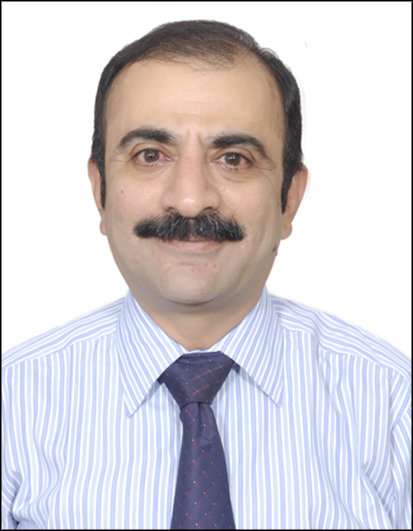 Ketan chande
Growth of urate (gouty and urinary) crystals on glass slide: a simple and inexpensive in vitro model to evaluate natural antiurolithiatic and anti-gout drugs
Noncommunicable diseases, also known as chronic diseases, tend to last long and result from genetic, physiological, environmental, and behavioural factors. Uric acid nephrolithiasis, arthritis and gout come under noncommunicable diseases related with Monosodium urate monohydrate (MSUM ) crystals. MSUM crystals are deposited in peripheral joints, causing gout and eliciting an intense localized inflammatory attack. In contrast, in collecting ducts and medullary interstitium, it is a urinary calculi which causes dysuria, nausea and hematuria. The study aims to explore the possible morphological features of monosodium urate monohydrate crystals. The study was carried out on a glass slide under a microscope to observe the growth patterns of MSUM crystals. For this purpose, a drop of gel medium (sodium meta silicate solution + 0.2M sodium hydroxide + 2N acetic acid) at pH 5.02 - 5.17 was placed in the middle of a glass slide and converted into a gel. A 0.07 M uric acid drop was added to the adequately formed gel. The glass slide was observed under a microscope till it was completely dried. Monosodium urate monohydrate was formed as spherical ring banded spherulites, dumbbell and composite spherulites. The current study provides different phases of MSUM crystallization on a glass slide for the first time. It may also be used as a model to evaluate prophylactic management against gouty and renal stones through in vitro assessment of crystal growth and aggregation inhibition and modulation of developing or developed crystals by using different natural products.
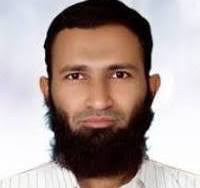 Dr. salman ahmed
Resolution of infertility following hydatid cyst removal: a case report
Introduction and importance: Human echinococcosis, also known as‘hydatid cyst,’ constitutes a zoonotic parasitic disease attributed to Echinococcus granulosus or Echinococcus multilocularis. Primary af ictions occur in the liver and lungs, whilst the implication of alternative organs remains infrequent. The clinical presentation can vary, and large cysts may cause compression symptoms and complications. This case involved a 21-year-old Palestinian female with three large hydatid cysts in the liver, causing compression of adjacent structures and unique clinical manifestations. Case presentation: A female aged 21 arrived with signs of heart palpitations, shortness of breath, tiredness, and pain in the right upper abdomen, alongside a background of infertility. During routine pre-IVF ultrasound, three liver hydatid cysts were unexpectedly found, leading to a referral to the surgical department. Laboratory tests and imaging con rmed this diagnosis. The surgery involved cyst aspiration, hypertonic saline injection, and marsupialization. Post-surgical complications were managed as they occurred. The symptoms lessened afterward, and a successful pregnancy was achieved 9 months post-surgery. Clinical discussion: Zoonotic infection by cystic echinococcosis (CE) primarily engages the liver and lungs. The progression of symptoms is contingent upon cyst placement and resultant pressure on adjacent tissues. Diagnosis requires imaging alongside serological assays, while large cysts necessitate surgical intervention. Conclusion: The presented case underscores the complexity of managing multiple extensive liver hydatid cysts, highlighting the necessity to consider hydatid disease amidst patients presenting with indeterminate symptoms, particularly within endemic zones. An extensive surgical strategy produced positive outcomes, illustrating the signi cance of prompt intervention for symptom alleviation and sustained patient health.
 Mohamad banat
Detection of rotavirus and enteric adenovirus frequency in children with acute gastroenteritis attending to our hospital: a sivas-scale retrospective study
Objectives: Viral gastroenteritis is a major health problem that is common worldwide, especially in developing countries, and is responsible for the majority of childhood diarrhea disease. The aim of this study was to determine prevalence of rotavirus and enteric adenovirus frequency and the age and seasonal distribution of viral agents in children with acute gastroenteritis attending to our hospital. Materials and Methods: In this study, 6999 stool specimens were investigated for the presence of rotavirus and adenovirus. The samples were obtained between January 2013 and August 2019 from children age 0-17 suffering from acute gastroenteritis attending to our hospital. Frequency of rotavirus and adenovirus were retrospectively evaluated with regard to seasonal distribution, gender and age of patients. Results: Viral antigens were detected in 1341 (19.1 %) of the specimens examined in the study. Among the positive results, rotaviruses and adenoviruses frequency were detected in 14.7 %, 4.4 %respectively. Rota-adenovirus co-infection was 8.4 %(n=113). Whereas rotavirus antigen was determined in all age groups, the highest was found in children age 0-2 with a rate of 57.9 %. Moreover, considering the seasonal distribution of the cases, it can be said that rotavirus infections are mostly observed in winter and spring, while adenovirus infections are frequently detected in summer and autumn. Conclusion: Rotavirus and enteric adenovirus infections are important public health problems that caused hospitalization, morbidity and mortality among children <5 years children in our country. As well as an approach to prevention of acute gastroenteritis, it is very important to detect the agent correctly and quickly for the treatment approach.
 Sağlık bilimleri enstitüsü dergisi yyÜ
Antiemetic activity of leaves extracts of five leguminous plants
The current study is carried out to evaluate the antiemetic activity of methanol extracts of five leguminous plants leaves viz., Cassia siamea Lamk., Cyamopsis tetragonoloba Taubert., Delonix regia Rafin., Samanea saman Merr. and Vigna trilobata Verdc. at a dose of 150 mg/kg body weight orally, using a chick emesis model. Emesis was induced in male chicks by the oral administration of copper sulphate (50 mg/Kg body weight). The antiemetic activity was determined by calculating the mean decrease in the number of retching as compare with the control. All the extracts showed antiemetic activity when compared with standard drug chlorpromazine (150 mg/kg body weight orally). Among all extracts, Delonix regia showed the highest (96.74%) and Cassia siamea lowest (18%) antiemetic activity.
Enhancing hydro power plant efficiency through hybrid optimization approach
The inclusion of hydroelectric power is crucial to Nigeria's overall energy mix, playing a significant role in electricity generation. However, the Shiroro hydro plant, one of the main facilities located on the Kaduna River, is currently facing operational obstacles due to deteriorating infrastructure and inadequate maintenance practices. To overcome these challenges and improve efficiency within Nigeria's hydroelectric power sector, a hybrid-optimization approach has been proposed. This study sought to enhance the efficiency of the Shiroro hydro plant by implementing this innovative method. To achieve our objectives and address pertinent research questions, a mixed research method combining primary and secondary data was employed. The analysis included hydropower modeling and hydro-turbine input-output modeling. Three optimizer models, namely the particle swarm optimizer (PSO), Ant colony optimizer (ACO), and Artificial bee colony optimizer (ABCO), were utilized to formulate objective functions and task representations. The study involved comparing the daily output and fitness response of the Shiroro hydro plant through swarm optimizer iterations. The findings revealed a clear correlation between the turbine's power output and the water flow rate and water column height, suggesting that altering these factors could significantly improve the plant's performance. The comparison of the PSO, ACO, and ABCO models demonstrated that PSO and ABCO generated optimal or near-optimal solutions, while ACO produced suboptimal results. Consequently, the study concluded that enhancing the Shiroro hydro plant's output was feasible by increasing the water flow rate and column height. Additionally, the utilization of PSO and ABCO models proved to be an effective means of accurately predicting the turbine's output. As a result, the study recommended the integration of hybrid optimization techniques to monitor and identify any deviations in the Shiroro hydro plant's daily power output. This approach would enable prompt maintenance to be carried out, preventing significant damage to the plant. Ultimately, this research contributes valuable insights into improving the efficiency and performance of Nigeria's Shiroro hydro plant.
Phytochemical screening and structure elucidation of isolated compounds from convolvulus dorycnium plant originated from west of libya
Plants are an ancient source of medicine due to the presence of bioactive molecules of various compounds in their different parts. Convolvulus dorycnium plant belongs to the family of wind plants (convolvulaceae). The greatest variety of Convolvulus plants are broadly distributed over the world and was found in Western and Central Asia, Mediterranean, Macaronesia, East Africa, and Arabia. The plant C. dorycnium was collected from Tarhuna in Sidi Said area of Libya in May 2013. Plants belonging to Convolvulus genus contain various phytochemicals profiles. The focus of this study is on the phytochemical analysis of convolvulus dorycnium including phytochemical screening, extraction, isolation, and characterization. The phytochemical screening reveals the presence of flavonoids, tannins, saponins, steroids, carbohydrate, and coumarin in ethyl acetate and methanolic extract. Column chromatography and column chromatography and TLC were used to fractionate the ethyl acetate extract and H-NMR was used to elucidate the isolated compounds. Some compounds were isolated from the aerial parts of the plant; scopoletin, which is a phenolic coumarin (1) (7-hydroxy-6-methoxy coumarin), caffeic acid (2) (3,4-dihydroxycinnamic acid), and ferulic acid (3) (4-hydroxy-3-methoxy cinnamic acid) which are phenolic acids. The chemical constituents present in the extract have been reported to possess many biological activities
Mediterranean journal of pharmacy and pharmaceutical sciences
Assessing nutritional needs of oncology patients undergoing chemotherapy at bhagwan mahaveer cancer hospital & research centre, jaipur: development of an educational booklet
Background: Cancer is the word used for a tumor that spreads & destroys the host and is one of the leading causes of morbidity and mortality in developed and developing countries. Good nutrition is important for good health. Methods: Non-experimental descriptive research design was adopted for a study to assess knowledge on meeting nutritional needs among 100 oncology patients receiving chemotherapy at Bhagwan Mahaveer Cancer Hospital & Research Centre, Jaipur. Sample selection using a non-probability convenient sampling technique. Data were collected through a self-developed structured knowledge questionnaire. Results: Our results revealed that the majority of cancer patients, 43%, were in the age group of 31-40 years, 39% had no formal education, 32% had secondary education, and 17% had primary education. 76% were males, 24% were female, and 87% of participants did not have a family history of cancer. 55.23% of patients reported that nurses did counselling. The majority (67%) of respondents reported that they had previous information on meeting nutritional needs through diet counselling, and 33% reported they didn’t have any information about meeting nutritional needs. Most (45%) of cancer patients had poor knowledge, 26% had average knowledge, and 29% had good knowledge scoring. Conclusion:Conclusion:Conclusion:Conclusion:Conclusion:Conclusion:Conclusion:Conclusion:Conclusion:Conclusion:Conclusion: We concluded that results show most (45%) of oncology patients receiving chemotherapy had poor knowledge We concluded that results show most (45%) of oncology patients receiving chemotherapy had poor knowledge We concluded that results show most (45%) of oncology patients receiving chemotherapy had poor knowledge We concluded that results show most (45%) of oncology patients receiving chemotherapy had poor knowledge We concluded that results show most (45%) of oncology patients receiving chemotherapy had poor knowledge We concluded that results show most (45%) of oncology patients receiving chemotherapy had poor knowledge We concluded that results show most (45%) of oncology patients receiving chemotherapy had poor knowledge We concluded that results show most (45%) of oncology patients receiving chemotherapy had poor knowledge We concluded that results show most (45%) of oncology patients receiving chemotherapy had poor knowledge We concluded that results show most (45%) of oncology patients receiving chemotherapy had poor knowledge We concluded that results show most (45%) of oncology patients receiving chemotherapy had poor knowledge We concluded that results show most (45%) of oncology patients receiving chemotherapy had poor knowledge We concluded that results show most (45%) of oncology patients receiving chemotherapy had poor knowledge We concluded that results show most (45%) of oncology patients receiving chemotherapy had poor knowledge We concluded that results show most (45%) of oncology patients receiving chemotherapy had poor knowledge We concluded that results show most (45%) of oncology patients receiving chemotherapy had poor knowledge We concluded that results show most (45%) of oncology patients receiving chemotherapy had poor knowledge We concluded that results show most (45%) of oncology patients receiving chemotherapy had poor knowledge We concluded that results show most (45%) of oncology patients receiving chemotherapy had poor knowledge We concluded that results show most (45%) of oncology patients receiving chemotherapy had poor knowledge We concluded that results show most (45%) of oncology patients receiving chemotherapy had poor knowledge We concluded that results show most (45%) of oncology patients receiving chemotherapy had poor knowledge We concluded that results show most (45%) of oncology patients receiving chemotherapy had poor knowledge We concluded that results show most (45%) of oncology patients receiving chemotherapy had poor knowledge We concluded that results show most (45%) of oncology patients receiving chemotherapy had poor knowledge We concluded that results show most (45%) of oncology patients receiving chemotherapy had poor knowledge We concluded that results show most (45%) of oncology patients receiving chemotherapy had poor knowledge We concluded that results show most (45%) of oncology patients receiving chemotherapy had poor knowledge We concluded that results show most (45%) of oncology patients receiving chemotherapy had poor knowledge We concluded that results show most (45%) of oncology patients receiving chemotherapy had poor knowledge We concluded that results show most (45%) of oncology patients receiving chemotherapy had poor knowledge We concluded that results show most (45%) of oncology patients receiving chemotherapy had poor knowledge We concluded that results show most (45%) of oncology patients receiving chemotherapy had poor knowledge We concluded that results show most (45%) of oncology patients receiving chemotherapy had poor knowledge We concluded that results show most (45%) of oncology patients receiving chemotherapy had poor knowledge We concluded that results show most (45%) of oncology patients receiving chemotherapy had poor knowledge We concluded that results show most (45%) of oncology patients receiving chemotherapy had poor knowledge We concluded that results show most (45%) of oncology patients receiving chemotherapy had poor knowledge We concluded that results show most (45%) of oncology patients receiving chemotherapy had poor knowledge We concluded that results show most (45%) of oncology patients receiving chemotherapy had poor knowledge We concluded that results show most (45%) of oncology patients receiving chemotherapy had poor knowledge We concluded that results show most (45%) of oncology patients receiving chemotherapy had poor knowledge We concluded that results show most (45%) of oncology patients receiving chemotherapy had poor knowledge We concluded that results show most (45%) of oncology patients receiving chemotherapy had poor knowledge We concluded that results show most (45%) of oncology patients receiving chemotherapy had poor knowledge We concluded that results show most (45%) of oncology patients receiving chemotherapy had poor knowledge We concluded that results show most (45%) of oncology patients receiving chemotherapy had poor knowledge We concluded that results show most (45%) of oncology patients receiving chemotherapy had poor knowledge We concluded that results show most (45%) of oncology patients receiving chemotherapy had poor knowledge We concluded that results show most (45%) of oncology patients receiving chemotherapy had poor knowledge We concluded that results show most (45%) of oncology patients receiving chemotherapy had poor knowledge We concluded that results show most (45%) of oncology patients receiving chemotherapy had poor knowledge We concluded that results show most (45%) of oncology patients receiving chemotherapy had poor knowledge We concluded that results show most (45%) of oncology patients receiving chemotherapy had poor knowledge We concluded that results show most (45%) of oncology patients receiving chemotherapy had poor knowledge We concluded that results show most (45%) of oncology patients receiving chemotherapy had poor knowledge We concluded that results show most (45%) of oncology patients receiving chemotherapy had poor knowledge We concluded that results show most (45%) of oncology patients receiving chemotherapy had poor knowledge We concluded that results show most (45%) of oncology patients receiving chemotherapy had poor knowledge We concluded that results show most (45%) of oncology patients receiving chemotherapy had poor knowledge We concluded that results show most (45%) of oncology patients receiving chemotherapy had poor knowledge We concluded that results show most (45%) of oncology patients receiving chemotherapy had poor knowledge We concluded that results show most (45%) of oncology patients receiving chemotherapy had poor knowledge We concluded that results show most (45%) of oncology patients receiving chemotherapy had poor knowledge We concluded that results show most (45%) of oncology patients receiving chemotherapy had poor knowledge We concluded that results show most (45%) of oncology patients receiving chemotherapy had poor knowledge We concluded that results show most (45%) of oncology patients receiving chemotherapy had poor knowledge We concluded that results show most (45%) of oncology patients receiving chemotherapy had poor knowledge We concluded that results show most (45%) of oncology patients receiving chemotherapy had poor knowledge We concluded that results show most (45%) of oncology patients receiving chemotherapy had poor knowledge We concluded that results show most (45%) of oncology patients receiving chemotherapy had poor knowledge We concluded that results show most (45%) of oncology patients receiving chemotherapy had poor knowledge We concluded that results show most (45%) of oncology patients receiving chemotherapy had poor knowledge We concluded that results show most (45%) of oncology patients receiving chemotherapy had poor knowledge We concluded that results show most (45%) of oncology patients receiving chemotherapy had poor knowledge We concluded that results show most (45%) of oncology patients receiving chemotherapy had poor knowledge We concluded that results show most (45%) of oncology patients receiving chemotherapy had poor knowledge We concluded that results show most (45%) of oncology patients receiving chemotherapy had poor knowledge We concluded that results show most (45%) of oncology patients receiving chemotherapy had poor knowledge We concluded that results show most (45%) of oncology patients receiving chemotherapy had poor knowledge We concluded that results show most (45%) of oncology patients receiving chemotherapy had poor knowledge We concluded that results show most (45%) of oncology patients receiving chemotherapy had poor knowledge We concluded that results show most (45%) of oncology patients receiving chemotherapy had poor knowledge We concluded that results show most (45%) of oncology patients receiving chemotherapy had poor knowledge We concluded that results show most (45%) of oncology patients receiving chemotherapy had poor knowledge meeting nutritionmeeting nutrition meeting nutrition meeting nutrition meeting nutritionmeeting nutrition meeting nutrition meeting nutritionmeeting nutritionmeeting nutritionmeeting nutritionmeeting nutritional needs during chemotherapy. However, the researcher developed an information booklet, and he hopes that al needs during chemotherapy. However, the researcher developed an information booklet, and he hopes that al needs during chemotherapy. However, the researcher developed an information booklet, and he hopes that al needs during chemotherapy. However, the researcher developed an information booklet, and he hopes that al needs during chemotherapy. However, the researcher developed an information booklet, and he hopes that al needs during chemotherapy. However, the researcher developed an information booklet, and he hopes that al needs during chemotherapy. However, the researcher developed an information booklet, and he hopes that al needs during chemotherapy. However, the researcher developed an information booklet, and he hopes that al needs during chemotherapy. However, the researcher developed an information booklet, and he hopes that al needs during chemotherapy. However, the researcher developed an information booklet, and he hopes that al needs during chemotherapy. However, the researcher developed an information booklet, and he hopes that al needs during chemotherapy. However, the researcher developed an information booklet, and he hopes that al needs during chemotherapy. However, the researcher developed an information booklet, and he hopes that al needs during chemotherapy. However, the researcher developed an information booklet, and he hopes that al needs during chemotherapy. However, the researcher developed an information booklet, and he hopes that al needs during chemotherapy. However, the researcher developed an information booklet, and he hopes that al needs during chemotherapy. However, the researcher developed an information booklet, and he hopes that al needs during chemotherapy. However, the researcher developed an information booklet, and he hopes that al needs during chemotherapy. However, the researcher developed an information booklet, and he hopes that al needs during chemotherapy. However, the researcher developed an information booklet, and he hopes that al needs during chemotherapy. However, the researcher developed an information booklet, and he hopes that al needs during chemotherapy. However, the researcher developed an information booklet, and he hopes that al needs during chemotherapy. However, the researcher developed an information booklet, and he hopes that al needs during chemotherapy. However, the researcher developed an information booklet, and he hopes that al needs during chemotherapy. However, the researcher developed an information booklet, and he hopes that al needs during chemotherapy. However, the researcher developed an information booklet, and he hopes that al needs during chemotherapy. However, the researcher developed an information booklet, and he hopes that al needs during chemotherapy. However, the researcher developed an information booklet, and he hopes that al needs during chemotherapy. However, the researcher developed an information booklet, and he hopes that al needs during chemotherapy. However, the researcher developed an information booklet, and he hopes that al needs during chemotherapy. However, the researcher developed an information booklet, and he hopes that al needs during chemotherapy. However, the researcher developed an information booklet, and he hopes that al needs during chemotherapy. However, the researcher developed an information booklet, and he hopes that al needs during chemotherapy. However, the researcher developed an information booklet, and he hopes that al needs during chemotherapy. However, the researcher developed an information booklet, and he hopes that al needs during chemotherapy. However, the researcher developed an information booklet, and he hopes that al needs during chemotherapy. However, the researcher developed an information booklet, and he hopes that al needs during chemotherapy. However, the researcher developed an information booklet, and he hopes that al needs during chemotherapy. However, the researcher developed an information booklet, and he hopes that al needs during chemotherapy. However, the researcher developed an information booklet, and he hopes that al needs during chemotherapy. However, the researcher developed an information booklet, and he hopes that al needs during chemotherapy. However, the researcher developed an information booklet, and he hopes that al needs during chemotherapy. However, the researcher developed an information booklet, and he hopes that al needs during chemotherapy. However, the researcher developed an information booklet, and he hopes that al needs during chemotherapy. However, the researcher developed an information booklet, and he hopes that al needs during chemotherapy. However, the researcher developed an information booklet, and he hopes that al needs during chemotherapy. However, the researcher developed an information booklet, and he hopes that al needs during chemotherapy. However, the researcher developed an information booklet, and he hopes that al needs during chemotherapy. However, the researcher developed an information booklet, and he hopes that al needs during chemotherapy. However, the researcher developed an information booklet, and he hopes that al needs during chemotherapy. However, the researcher developed an information booklet, and he hopes that al needs during chemotherapy. However, the researcher developed an information booklet, and he hopes that al needs during chemotherapy. However, the researcher developed an information booklet, and he hopes that al needs during chemotherapy. However, the researcher developed an information booklet, and he hopes that al needs during chemotherapy. However, the researcher developed an information booklet, and he hopes that al needs during chemotherapy. However, the researcher developed an information booklet, and he hopes that al needs during chemotherapy. However, the researcher developed an information booklet, and he hopes that al needs during chemotherapy. However, the researcher developed an information booklet, and he hopes that al needs during chemotherapy. However, the researcher developed an information booklet, and he hopes that al needs during chemotherapy. However, the researcher developed an information booklet, and he hopes that al needs during chemotherapy. However, the researcher developed an information booklet, and he hopes that al needs during chemotherapy. However, the researcher developed an information booklet, and he hopes that al needs during chemotherapy. However, the researcher developed an information booklet, and he hopes that al needs during chemotherapy. However, the researcher developed an information booklet, and he hopes that al needs during chemotherapy. However, the researcher developed an information booklet, and he hopes that al needs during chemotherapy. However, the researcher developed an information booklet, and he hopes that al needs during chemotherapy. However, the researcher developed an information booklet, and he hopes that al needs during chemotherapy. However, the researcher developed an information booklet, and he hopes that al needs during chemotherapy. However, the researcher developed an information booklet, and he hopes that al needs during chemotherapy. However, the researcher developed an information booklet, and he hopes that al needs during chemotherapy. However, the researcher developed an information booklet, and he hopes that al needs during chemotherapy. However, the researcher developed an information booklet, and he hopes that al needs during chemotherapy. However, the researcher developed an information booklet, and he hopes that al needs during chemotherapy. However, the researcher developed an information booklet, and he hopes that the booklet will surely enhance oncology patient’s knowledge of meeting nutritional needs during chemotherapy the booklet will surely enhance oncology patient’s knowledge of meeting nutritional needs during chemotherapy the booklet will surely enhance oncology patient’s knowledge of meeting nutritional needs during chemotherapy the booklet will surely enhance oncology patient’s knowledge of meeting nutritional needs during chemotherapy the booklet will surely enhance oncology patient’s knowledge of meeting nutritional needs during chemotherapy the booklet will surely enhance oncology patient’s knowledge of meeting nutritional needs during chemotherapy the booklet will surely enhance oncology patient’s knowledge of meeting nutritional needs during chemotherapy the booklet will surely enhance oncology patient’s knowledge of meeting nutritional needs during chemotherapy the booklet will surely enhance oncology patient’s knowledge of meeting nutritional needs during chemotherapy the booklet will surely enhance oncology patient’s knowledge of meeting nutritional needs during chemotherapy the booklet will surely enhance oncology patient’s knowledge of meeting nutritional needs during chemotherapy the booklet will surely enhance oncology patient’s knowledge of meeting nutritional needs during chemotherapy the booklet will surely enhance oncology patient’s knowledge of meeting nutritional needs during chemotherapy the booklet will surely enhance oncology patient’s knowledge of meeting nutritional needs during chemotherapy the booklet will surely enhance oncology patient’s knowledge of meeting nutritional needs during chemotherapy the booklet will surely enhance oncology patient’s knowledge of meeting nutritional needs during chemotherapy the booklet will surely enhance oncology patient’s knowledge of meeting nutritional needs during chemotherapy the booklet will surely enhance oncology patient’s knowledge of meeting nutritional needs during chemotherapy the booklet will surely enhance oncology patient’s knowledge of meeting nutritional needs during chemotherapy the booklet will surely enhance oncology patient’s knowledge of meeting nutritional needs during chemotherapy the booklet will surely enhance oncology patient’s knowledge of meeting nutritional needs during chemotherapy the booklet will surely enhance oncology patient’s knowledge of meeting nutritional needs during chemotherapy the booklet will surely enhance oncology patient’s knowledge of meeting nutritional needs during chemotherapy the booklet will surely enhance oncology patient’s knowledge of meeting nutritional needs during chemotherapy the booklet will surely enhance oncology patient’s knowledge of meeting nutritional needs during chemotherapy the booklet will surely enhance oncology patient’s knowledge of meeting nutritional needs during chemotherapy the booklet will surely enhance oncology patient’s knowledge of meeting nutritional needs during chemotherapy the booklet will surely enhance oncology patient’s knowledge of meeting nutritional needs during chemotherapy the booklet will surely enhance oncology patient’s knowledge of meeting nutritional needs during chemotherapy the booklet will surely enhance oncology patient’s knowledge of meeting nutritional needs during chemotherapy the booklet will surely enhance oncology patient’s knowledge of meeting nutritional needs during chemotherapy the booklet will surely enhance oncology patient’s knowledge of meeting nutritional needs during chemotherapy the booklet will surely enhance oncology patient’s knowledge of meeting nutritional needs during chemotherapy the booklet will surely enhance oncology patient’s knowledge of meeting nutritional needs during chemotherapy the booklet will surely enhance oncology patient’s knowledge of meeting nutritional needs during chemotherapy the booklet will surely enhance oncology patient’s knowledge of meeting nutritional needs during chemotherapy the booklet will surely enhance oncology patient’s knowledge of meeting nutritional needs during chemotherapy the booklet will surely enhance oncology patient’s knowledge of meeting nutritional needs during chemotherapy the booklet will surely enhance oncology patient’s knowledge of meeting nutritional needs during chemotherapy the booklet will surely enhance oncology patient’s knowledge of meeting nutritional needs during chemotherapy the booklet will surely enhance oncology patient’s knowledge of meeting nutritional needs during chemotherapy the booklet will surely enhance oncology patient’s knowledge of meeting nutritional needs during chemotherapy the booklet will surely enhance oncology patient’s knowledge of meeting nutritional needs during chemotherapy the booklet will surely enhance oncology patient’s knowledge of meeting nutritional needs during chemotherapy the booklet will surely enhance oncology patient’s knowledge of meeting nutritional needs during chemotherapy the booklet will surely enhance oncology patient’s knowledge of meeting nutritional needs during chemotherapy the booklet will surely enhance oncology patient’s knowledge of meeting nutritional needs during chemotherapy the booklet will surely enhance oncology patient’s knowledge of meeting nutritional needs during chemotherapy the booklet will surely enhance oncology patient’s knowledge of meeting nutritional needs during chemotherapy the booklet will surely enhance oncology patient’s knowledge of meeting nutritional needs during chemotherapy the booklet will surely enhance oncology patient’s knowledge of meeting nutritional needs during chemotherapy the booklet will surely enhance oncology patient’s knowledge of meeting nutritional needs during chemotherapy the booklet will surely enhance oncology patient’s knowledge of meeting nutritional needs during chemotherapy the booklet will surely enhance oncology patient’s knowledge of meeting nutritional needs during chemotherapy the booklet will surely enhance oncology patient’s knowledge of meeting nutritional needs during chemotherapy the booklet will surely enhance oncology patient’s knowledge of meeting nutritional needs during chemotherapy the booklet will surely enhance oncology patient’s knowledge of meeting nutritional needs during chemotherapy the booklet will surely enhance oncology patient’s knowledge of meeting nutritional needs during chemotherapy the booklet will surely enhance oncology patient’s knowledge of meeting nutritional needs during chemotherapy the booklet will surely enhance oncology patient’s knowledge of meeting nutritional needs during chemotherapy the booklet will surely enhance oncology patient’s knowledge of meeting nutritional needs during chemotherapy the booklet will surely enhance oncology patient’s knowledge of meeting nutritional needs during chemotherapy the booklet will surely enhance oncology patient’s knowledge of meeting nutritional needs during chemotherapy the booklet will surely enhance oncology patient’s knowledge of meeting nutritional needs during chemotherapy the booklet will surely enhance oncology patient’s knowledge of meeting nutritional needs during chemotherapy the booklet will surely enhance oncology patient’s knowledge of meeting nutritional needs during chemotherapy the booklet will surely enhance oncology patient’s knowledge of meeting nutritional needs during chemotherapy the booklet will surely enhance oncology patient’s knowledge of meeting nutritional needs during chemotherapy the booklet will surely enhance oncology patient’s knowledge of meeting nutritional needs during chemotherapy the booklet will surely enhance oncology patient’s knowledge of meeting nutritional needs during chemotherapy the booklet will surely enhance oncology patient’s knowledge of meeting nutritional needs during chemotherapy the booklet will surely enhance oncology patient’s knowledge of meeting nutritional needs during chemotherapy the booklet will surely enhance oncology patient’s knowledge of meeting nutritional needs during chemotherapy the booklet will surely enhance oncology patient’s knowledge of meeting nutritional needs during chemotherapy the booklet will surely enhance oncology patient’s knowledge of meeting nutritional needs during chemotherapy the booklet will surely enhance oncology patient’s knowledge of meeting nutritional needs during chemotherapy the booklet will surely enhance oncology patient’s knowledge of meeting nutritional needs during chemotherapy the booklet will surely enhance oncology patient’s knowledge of meeting nutritional needs during chemotherapy the booklet will surely enhance oncology patient’s knowledge of meeting nutritional needs during chemotherapy the booklet will surely enhance oncology patient’s knowledge of meeting nutritional needs during chemotherapy the booklet will surely enhance oncology patient’s knowledge of meeting nutritional needs during chemotherapy .
 Dr k c yadav
Effect of ephedra altissima stems extract on behaviour in the mouse
Herbal products are being paid particular attention by people around the world since they are natural, effective, and without side effects. In modern medicine, some drugs prescribed to the patients are derived from medicinal plants. Thus, the aim of this study is to investigate the central nervous effects of methanol extract of Ephedra altissima stems, in Albino mice. Doses of 500, 1500, and 3000 mg/kg of the methanol extract were administered in sub-acute doses (three doses), intraperitoneally at 24, 5.0, and 1.0 hours before scoring. General locomotor behavior profile, antidepressant activity, and anxiolytic activity were studied. The results revealed that the methanol extract of Ephedra altissima at 500, 1500, and 3000 mg/kg produced central nervous system depression, a remarkable decrease in the immobility time (forced swimming maze test), no anxiolytic-like effect by using elevated plus-maze model of anxiety. These results suggest that methanol extract of Ephedra altissima exhibits a central depressant activity, antidepressant-like activity, and mild antipsychotic activity without anxiolytic-like effect in tested experimental animal models with the doses used. Therefore, it can be concluded that Ephedra altissima extract may have a central depression, antidepressant-like activity with no effect as anxiolytic-like mood.
Mediterranean journal of pharmacy and pharmaceutical sciences
Employment status of persons living with mental illness in india: ground reality
The main aim of rehabilitation is vocational independence and community integration. Rehabilitation is complete with the person being a productive member within the community. But this is quite a challenging task as can be vouched by any of the professionals working in this field. What are the barriers and facilitators towards employment or return to work in case of persons living with mental illness? Literature shows that multiple factors are governing the ability to take up gainful employment. Most of this literature is about the western world where the social fabric is more supportive of individual autonomy. India lags in its rehabilitation efforts for mental illness. There is still stigma and lack of awareness about mental illnesses. This increases the problem of unemployment within persons living with mental illness manifold. There are very few detailed investigations into the vocational status of persons with mental illness and almost negligent literature existing in the Indian context. Hence, the current review article tries to examine the factors prevailing in the Indian scenario that influences the employment status.
Advancements and challenges in the medical treatment of monkeypox: a recent focused review
Monkeypox, an infectious disease caused by the Orthopoxvirus, was identified in humans in 1970. It has recently emerged as a global health concern due to outbreaks beyond its endemic regions in Central and West Africa. This review examines the current state of medical treatments for monkeypox as of 2024, focusing on antiviral agents, immunotherapies, and supportive care measures. Monkeypox manifests with symptoms including fever, rash, and lymphadenopathy, with severe cases more common in immunocompromised individuals. Antiviral therapies such as tecovirimat and brincidofovir are central to treatment strategies, with tecovirimat demonstrating efficacy in alleviating symptoms and reducing viral shedding. Emerging treatment strategies involve novel lipid-based formulations and combination therapies that integrate antivirals with immune-modulating agents. Supportive care remains essential, involving analgesics and antibiotics for secondary infections, while the MVA-BN vaccine plays a critical role in prevention. Research emphasizes the need for a deeper understanding of viral pathogenesis and host immune responses to improve therapeutic and preventive measures. Despite significant advancements, challenges remain, including potential antiviral resistance, disparities in healthcare access, and the necessity for enhanced diagnostic and surveillance capabilities. This review highlights the imperative for ongoing research, international collaboration, and investment in healthcare infrastructure to advance the management and prevention of monkeypox and to prepare for future outbreaks.
Mediterranean journal of pharmacy and pharmaceutical sciences
Exploring the big data and cloud computing management in e-government services: a qualitative case study in terengganu public sector
The emergence of big data has caused various challenges to data management lifecycle including storage, processing, sharing, and applications. During the same time frame, the fast development in cloud computing provides increased efficiency in computing support that address these challenges. However, there are issues in big data and cloud computing management which include security concerns, data fragmented, and distrust in using clouds that could become the roadblock to e-government services success. Although ensuring data management has been the responsibility of providers in the public sector, this issue seems to be unavoidable. In such circumstances, initiatives from the public sector agencies are crucial to ensure data is effectively managed. This research in progress aims to investigate how the public sector agencies in Terengganu manage data to improve the e-government performance. The research uses the interpretive research paradigm and adopts the qualitative research methodology using a case study design. A single case of a public sector which utilizes big data and cloud computing within the e-government platform is selected as the case for this research. The findings of this research are expected to be used in developing a framework of big data and cloud computing management which will assist in providing reliable and accurate information to citizens within the e-government environment.
 Asyraf afthanorhan
Development of an optimal poly-1-order (op-1) model for approximating solar photovoltaic (pv) power generation
This study was conducted to develop and evaluate the Optimal Poly-1-Order (OP-1) model for approximating solar photovoltaic (PV) power generation. Using a mixed research method, the study employed Ibrahim’s simulation and prediction of grid-connected PV system theory with two objectives and their corresponding research questions. The study gathered primary and secondary data to approximate the implementation of a solar-PV system with an OP-1 model for generating electricity: optimizing energy production, load demands, and financial viability in the medical hostel facility of the University of Port Harcourt, Rivers State, Nigeria. With the use of simulation and descriptive methods of data analysis, results showed that the lighting system had 400 lights, each with 12W power. It operated for a total of 18 hours. Daily power consumption was 36,400 Wh. More so, it showed that 60 fans with 100W power were used during the same hours, resulting in a daily power usage of 108,000 Wh. Based on a comprehensive economic evaluation, the OP-1 solar-PV system was found to be economically viable for powering the medical hostel. The system met electricity demand, resulting in a remarkable 407% ROI and substantial savings for the grid, despite a lower optimized size of 193kW compared to the base peak generation of 383.90k. The study concluded and recommended that the proposed OP-1 Solar-PV power plant can meet the facility's electricity needs with a peak generation of 383.90kW and detailed energy analysis. Deploying this efficient solar-PV setup guarantees reliable and green electricity for the Medical Hostel, slashing the campus's carbon footprint and grid reliance.
The role of pharmacists in managing conditions like hypertension: the case of northern cyprus
Hypertension is a high-risk factor for cardiovascular diseases and its prevalence rate is increasing due to risk factors such as unhealthy lifestyles and aging populations. Managing hypertension is crucial to avoid complications such as stroke, heart failure, and kidney failure. In Northern Cyprus, where hypertension is a growing public health concern, pharmacists are increasingly recognized as key players in managing this ongoing condition. This study investigates the impact of pharmacists in controlling hypertension in Northern Cyprus through a survey-based observational approach. Data were collected from 70 hypertension patients engaging with community pharmacists. The results highlight pharmacists’ contributions to patient education, blood pressure monitoring, and medication adherence. Relevant studies in other countries contextualize the findings about the importance of the pharmacist role. An analysis of the data confirms significant improvements in patient outcomes with pharmacist interventions. The survey results provide insights suggesting that overcoming systemic barriers and strengthening collaboration can optimize pharmacists' roles in managing hypertension in Northern Cyprus.
Mediterranean journal of pharmacy and pharmaceutical sciences
Evaluation of the antifungal efficacy of mitracarpus scaber extracts and ocimum gratissimum oil against clinical isolates of fungi
Dermatophytes and Candida albicans are widespread with increasing prevalence and pose a grave threat to public health globally. Ocimum gratissimum and Mitracarpus scaber have been used in Southeastern Nigeria for several purposes, including antimicrobial effects, and have exhibited inhibition of growth to fungi. This study aimed to evaluate and ascertain the antifungal potential of these extracts against dermatophytes and Candida albicans. A total of 50 samples of dermatophytes and Candida albicans previously isolated from clinical samples at two different Hospitals, in the Southeast of Nigeria were used. The clinical samples were vaginal discharge, sputum, swab samples from the endocervix, urine, groin, mouth thrush, and palm. These organisms were all identified using standard mycological identification and characterization techniques. The sensitivity of selected fungi to the extracts (ethanolic extract of M. scaber and O. gratissimum oil) and ketoconazole was evaluated using a modified cup-agar diffusion plate method. The minimum inhibitory concentration (MIC) of the extracts was determined by the agar dilution method. Their minimum fungicidal concentration (MFC) and killing rates against the isolates were also determined. The organisms remain an important etiological agent in this species, implicated in several kinds of infections. The result showed that the activity of the O. gratissimum oil was comparable with that of the conventional drugs, indicating the potential in this extract. The MIC values for Candida isolates were consistently lower against O. gratisimum compared to ketoconazole. The MFC results indicated that O. gratissimum oil had a greater biocidal effect against most of the test organisms in contrast to ketoconazole. The killing rate study also indicated that the oil has very good activity against the isolates. O. gratissimum oil holds great potential for use in treating a wider spectrum of fungal pathogens.
Mediterranean journal of pharmacy and pharmaceutical sciences
Smoking index- a measure to quantify cumulative smoking exposure
Background and Purpose: We aimed to investigate the effect of smoking on the risk of intracranial aneurysm (IA) rupture (IAR), specifically relationship between the number of cigarettes smoked per day (CPD) or smoking index and the risk of IAR. Materials and Methods: We performed a single-center case–control study of consecutive patients evaluated or treated for IA at our institution from June 2017 to July 2018. Cases were patients with a ruptured IA. Two age- and sex-matched controls with an unruptured IA were included per case. Conditional logistic regression models were used to assess the relationship between both the CPD and smoking index (CPD x years of smoking) and IAR. Results: The study population included 300 cases of IAR and 300 controls. The higher IAR risk was associated with cigarette smoking. Our subgroup analysis of smokers revealed a significant association between IAR risk and current smoking (OR, 2.8; 95% CI, 1.2–6.3; P = 0.012), current heavy smoking (CPD>20) (OR, 3.9; 95% CI, 1.4–11.0; P = 0.007), and a smoking index >800 (OR, 11.4; 95% CI, 2.3–24.5; P= 0.003). Conclusion: A dose–response relationship has been noted for intensity and duration of smoking consumption and increased risk of IAR. As smoking is modifiable, this finding is important to managing patients with IAs to quit or reduce smoking prior to life-threatening subarachnoid hemorrhage.
 Kamal singh
A bibliometric analysis on "an empirical analysis of household consumption in maharashtra (pre and post covid-19)
This study presents a comprehensive bibliometric analysis of household consumption research in Maharashtra from 2017 to 2023, highlighting shifts in academic focus before and after the COVID-19 pandemic. The analysis explores key research trends, including foundational theories like the Keynesian consumption function and Engel’s law, while examining how themes such as income-consumption relationships, inequality, and economic resilience have evolved. Through citation network analysis, publication trends, and thematic evolution, we identify the most influential works, authors, and institutions that have shaped this field. Pre-pandemic research centered on established economic concepts, exploring factors like income distribution, economic growth, and household debt as predictors of consumption. However, post-2020, there is a marked shift towards understanding financial resilience, the impact of income shocks, and the role of government interventions in stabilizing consumption patterns during crises. This transition reflects an adaptation of traditional consumption models to account for pandemic-induced economic disruptions, emphasizing financial literacy and digital transformation as critical areas of study. Our findings contribute to a deeper understanding of the drivers of household consumption research in Maharashtra, providing insights into the socio-economic factors that influence spending behaviors in both stable and volatile conditions
 Nandini jagannarayan
Most Popular Category
- Pharmacy (270)
- Education and social science (224)
- Pharmacology (223)
- Pharmacognosy (178)
- Business management (147)
- Pharmacology and toxicology (134)
- Education and training (131)
- Pharmaceutical sciences (130)
- Medicine (129)
- Research (123)
- Health Science (100)
- Biological Sciences (99)
- Management (98)
- Computer Science (94)
- Public health (91)
- Computer Science Applications (87)
- Human resource management (83)
- Engineering (80)
- Accounting and finance (73)
- Information technology (69)