A critical review on mode of action of ayurvedic formulations on jwara
Rasa aushadhis are known for their uniqueness in curing the diseases with a very low dosage. These formulations are divided into two types based on their mode of preparation i.e., Single drug and Compound drug formulations. Based on their origin, the drugs are divided into three types, Herbal, Mineral and Animal. Any of these two or three together is combined to make a compound formulation. Apart from these, the other major factor which is needed for a formulation is the Rasa Panchaka of a Drug. Many of the formulations are being prepared based on their availability, keeping their Rasa Panchaka and Samprapti vighatana in mind. These formulations are designed in such a way that two or more drugs will be having one common quality, or Opposite Qualities or an Antidote of a particular Vishadravya, which can help in curing the disease. So an attempt is made to Review Tribhuvanakeerti Rasa with its Probable mode of action.
Social factors influencing mental health: insights, preventive strategies, and policy recommendations
Introduction: Mental health disparities are deeply entrenched within the fabric of societal inequalities, shaped by structural factors that perpetuate intergenerational cycles of disadvantage. Addressing these disparities is crucial for promoting social justice and improving public health outcomes. Aim: This paper aims to synthesize high-quality evidence to elucidate the causal relationships between social determinants and mental health outcomes. It prioritizes pervasive social determinants that influence major mental disorders across the life course and outlines preventive strategies to mitigate these effects. Methodology: A comprehensive literature review was conducted, focusing on publications from the Global North from 2014 to 2024, to explore the influence of social determinants on mental health. Keywords such as "social determinants," "mental health outcomes," "preventive strategies," and "vulnerable populations" guided the search across databases like PubMed and Google Scholar. Results: The review highlights significant associations between mental health and social determinants such as socioeconomic status, racial and ethnic marginalization, and exposure to adverse environments. It underscores the heightened vulnerability of marginalized groups, including refugees, LGBTQ+ individuals, and those living in poverty. The paper introduces a preventive framework to guide primary prevention efforts and reviews both primary and secondary strategies to improve mental health equity. Conclusion: Strategic interventions aimed at the root social causes of mental health disparities can substantially enhance public mental health. This paper provides seven strategic recommendations focused on social justice, offering a roadmap for researchers, policymakers, and public health professionals to address these pressing issues.
 Prof.k.c yadav
Anakinra treatment for systemic onset juvenile idiopathic arthritis in libyan children
Systemic onset juvenile idiopathic arthritis (SoJIA) is a rare inflammatory disorder. It is the severest form of juvenile idiopathic arthritis, and complications occur most commonly in this type. Non-responsiveness to standard therapy with corticosteroids and disease-modifying antirheumatic drugs is not uncommon. Interleukin-1 beta (Il-1β) has been shown to be a main contributor to the pathogenesis of SoJIA. Anakinra, a recombinant Il-1β receptor antagonist, was shown to be effective in small cohorts of therapy-resistant adult and pediatric still's patients. This study aimed to evaluate the real-world efficacy, steroid-sparing effect, and safety profile of anakinra in patients with SoJIA at a tertiary care center in Libya. A retrospective case series was conducted on patients with SoJIA treated with anakinra at the Tripoli Children's Hospital between 2010 and 2017. Data on demographic characteristics, disease activity, corticosteroid dosage, concomitant medications, and adverse events were collected at baseline and at 1-, 3-, 6-, and 12-month post-treatment. 13 patients were treated with anakinra with a mean age of 9.4±4.6 years at anakinra initiation and a female-to-male ratio of 2: 1. All patients were on corticosteroids and 92.3% on methotrexate at treatment initiation. The proportion of patients achieving inactive disease (Jadas 10=0) increased over time. A marked steroid-sparing effect was observed: the number of patients requiring high-dose steroids (>0.5 mg/kg/day) decreased from 100% at baseline to 7.6% at 12 months, and 53.8% successfully discontinued corticosteroids entirely. All patients experienced injection site reaction, and macrophage activation syndrome occurred in 15.4% as a side effect after treatment initiation. But no severe infections or fatalities occurred. Reasons for discontinuation included remission (46.1%), drug unavailability (23.0%), inefficacy (15.3%), and side effects (15.3%). Anakinra demonstrated significant efficacy in inducing rapid disease control and reducing corticosteroid dependence in patients with refractory SoJIA, with a manageable safety profile
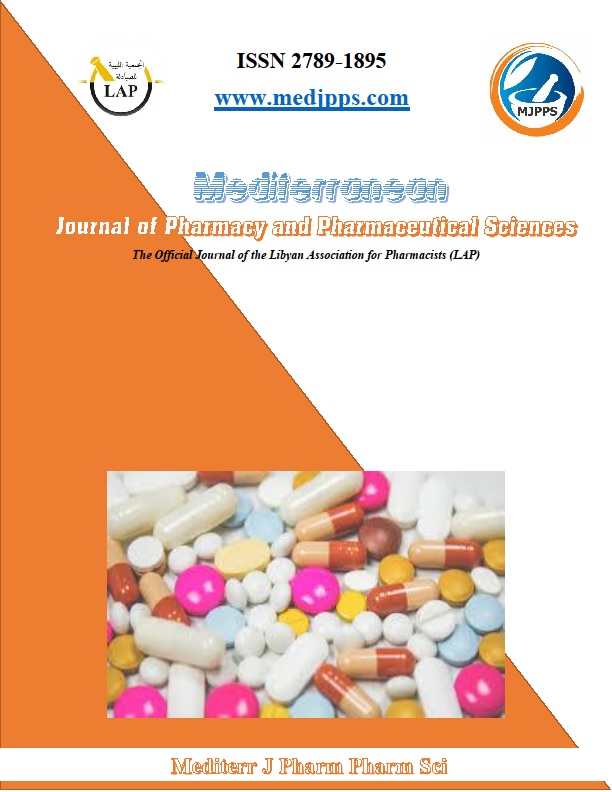 Mediterranean journal of pharmacy and pharmaceutical sciences
Public-private sectors’ collaboration in human resource management and curriculum development in the administration of public senior secondary schools in rivers state
The study examined public-private sectors’ collaboration in human resource management and curriculum development in the administration of public senior secondary schools in Rivers State. The study adopted the descriptive survey design. Two research questions and two hypotheses guided the study. The population of the study comprised 281 principals in the 281 public secondary schools in Rivers State. The proportionate stratified random sampling technique was used to draw up sample of 259 principals representing 92.2% of the population of the study (211 male principals and 70 female principals). An instrument titled: Public-Private Sectors’ Collaboration for School Administration Questionnaire (PPSCSAQ) designed in the modified 4-point Likert Scale with a reliability index of 0.87 was used for data collection. The face and content validities were ensured. Mean and standard deviation were used in answering the research question while z-test was used in testing the hypotheses at 0.05 level of significance. The finding of the study showed that to a high extent public-private sectors collaborate in human resource management and curriculum development in the administration of public senior secondary schools in Rivers State. It was recommended among others that the government should provide enabling environment and formulate favourable policies to sustain public-private sectors’ collaboration as it ensures effective human resource management in the state.
 Fxintegrity publishing
Novel grading system for horizontal fissure of right lung based on cadaveric study of north indian population
Introduction: The right lung has two fissures, an oblique and a horizontal, dividing it into three lobes namely the upper, middle, and lower. The nature of the fissure is of great importance in planning operative strategy for thoracoscopic pulmonary resection where an the incomplete fissure may contribute to post-operative air leakage Aim: To assess the gross morphological features of the right lung with special emphasis on the completeness of horizontal fissure. Material & Method: Material for the present study comprised of right lungs obtained from 50 well-embalmed adult human cadavers of both the sexes dissected as a part of 1 MBBS curriculum in the Department of Anatomy, Govt. Medical College, Amritsar. Results: Horizontal fissure was found to be complete in only 10% of the lungs while in rest 90% it was either incomplete or absent. Conclusion: Inferable from the huge variation in nonappearance or partial appearance of horizontal fissure in the right lung and to the absence of an acceptable classification of fissures, an endeavor has been made to give one such classification. In like manner, the horizontal fissure is evaluated from Grade zero to IV contingent on its absence and profundity from coastal surface to the hilum. Each evaluation is additionally divided into 3 subgrades relying on the culmination or incompleteness of these fissures with respect to their length.
Review of mentoring in higher education
Mentoring relationships between a senior, experienced faculty member and a junior employee, between a faculty member and an undergraduate or graduate student, or between a senior and a junior student is essential in higher education. The current review aims to emphasize the necessity of establishing organized mentorship programs at national institutions to enhance academic performance, teaching/learning effectiveness, knowledge and skill development, growth and development, research productivity, and community engagement. The mentor and mentee both benefit from the mentoring relationship. Academic advising, preceptor supervision, and supervision of graduation projects are different from the mentoring relationship as they focus on only one aspect of the relationship, whether it is the study plan, the study session, or the project, respectively. Mentoring is a mutually beneficial relationship that calls for integrity, decency, self-assurance, trust, and respect. Educational institutes and colleges should set up a committee to establish a well-organized mentoring program with all the necessary templates for recruiting mentors and mentees, and also for annual evaluation and feedback from all parties involved.
Mediterranean journal of pharmacy and pharmaceutical sciences
Beyond crystallography: diffractive imaging using coherent x-ray light sources
X-ray crystallography has been central to the development of many fields of science over the past century. It has now matured to a point that as long as good-quality crystals are available, their atomic structure can be routinely determined in three dimensions. However, many samples in physics, chemistry, materials science, nanoscience, geology, and biology are noncrystalline, and thus their three-dimensional structures are not accessible by traditional x-ray crystallography. Overcoming this hurdle has required the development of new coherent imaging methods to harness new coherent x-ray light sources. Here we review the revolutionary advances that are transforming x-ray sources and imaging in the 21st century.
 Nima fahimian, md
Prevalence of tuberculosis in shabwah governorate, yemen: a cross-sectional study
Background: There is a lack of data on current tuberculosis (TB) burden in Shabwah Governorates in Yemen. This study aimed to investigate the prevalence, epidemiology, and outcomes of TB disease in Shabwah Governorate, Yemen. Materials and Methods: This cross-sectional study was conducted at the National TB Program (NTP) Center in Ataq City, Shabwah Governorate, Yemen. The study involved TB patients of different ages who were notified at the center between January 1, 2021, and December 31, 2021. Results: We involved a total of 123 new active TB cases, including 86 (69.9%) with pulmonary TB (PTB) and 37 (30.1%) with extrapulmonary TB (EPTB). The total prevalence of TB disease during the year 2021 was 14.5 new TB cases per 100,000 population, while the median age of the study population was 34 years. The majority of the cases (23.6%) belonged to age group 15–24 years. There was a slightly higher preponderance of males 54.5% (n=67). EPTB was detected in 37 (30.1%) patients with lymph node TB being the most common manifestation [17 (46.0%)]. All patients received four-drug anti-TB therapies for 6–12 months. Most patients 111 (90.3%) were cured, and 2 (1.6%) patients died during the course of the disease, while 10 (8.1%) patients were lost during follow-up. Conclusion: The prevalence of TB in Shabwah Governorate was 14.5/100,000 population. Male patients and younger age groups were more affected, while the lymph nodes were the main extrapulmonary sites involved and the cure rate was 90.2%. The results of the study indicate the need to revise the notification form for active TB cases and to expand NTP activities to focus on targeted screening for active TB cases in high-risk groups to close the gap in unidentified TB cases.
 Karishma
Prevalence and predictors of traditional medicine use among persons with diabetes in africa: a systematic review
The utilization of traditional medicine (TM) is prevalent among the general population in Africa; however, its use among individuals with diabetes in the region remains underdocumented. This review aimed to synthesize the available literature to identify the prevalence and predictors of TM use among persons with diabetes in Africa. A systematic search was conducted across multiple databases, including MEDLINE, Embase, CINAHL, and AMED, covering studies published from 2000 to April 2023. Of 1560 records identified, 24 articles met the inclusion criteria. The prevalence of TM use varied significantly, ranging from 12.4% to 77.1%, with a median prevalence of 50%. TM was commonly used concurrently with conventional medicine (CM) (35.4–88.4%), with a majority (63.8–91.3%) not disclosing TM use to healthcare providers. Female gender, long diabetes duration, use of oral antiglycaemic medication and family history of diabetes emerged as the most common factors that predicted the use of TM. This review highlights the widespread use of TM among individuals with diabetes in Africa, often in conjunction with CM. The high prevalence of undisclosed TM use emphasizes the urgent need for healthcare providers to actively inquire about TM use during clinical consultations to address potential herb–drug interactions and adverse effects.
 Emmanuel ekpor
Methodology to investigate the impact of blindness control activities in the southern indian population
To describe the methodology used to investigate the impact of blindness control activities in the southern Indian State of Andhra Pradesh. The blindness control activities in Andhra Pradesh have been implemented since 1976 through the National Program for Control of Blindness (NPCB) by the Government of India through District Blindness Control Societies (DBCS). Besides Government eye care facilities, many local, national, international Non Governme*ntal Organizations (NGOs) and private sector eye care facilities are active in controlling blindness in the state. In the year 2002 Andhra Pradesh Right to Sight Society (APRTSS) was established as part of a global initiative of VISION 2020 The Right to Sight to coordinate the efforts of various stakeholders in eye care. The present study investigated the impact of blindness control activities in the state of AP in general and with special reference to the activities of APRTSS The study was based on the six building blocks of the health care system for all the stakeholders in eye care. The baseline data for the year 2002-03 were collected from sources such as State Blindness Control Society, District Blindness Control Societies and major stakeholders in eye care in the state and also by questionnaire to managers of eye care facilities and eye care professionals. The current data are being collected for the year 2012-2013. Interviews based on Strength, Weaknesses, Opportunities and Threat (SWOT) analysis were conducted with policy makers in the Government, Managers of the eye care facilities and NGOs. The outcomes of the study will provide information regarding the trends in blinding eye diseases, human resources and infrastructure facilities in the last decade and information on the deficiencies in eye care service delivery that may provide the basis to formulate strategies for implementation of the VISION 2020 program in the state for coming years.
 Srinivasa reddy pallerla
1. critical study of guggulu kalpana with special reference of bhaishajya ratnavali
Bhaishajya kalpana is an art and science of preparing and dispencing medicine. Guggulu is a Niryasa (oily latex) achieved from small tree called Indian bedellium. Botanical name is commiphora mukul. Guggulu is an amorphous, translucent, solid adhesive, oleo-gum resin is produced by the process of gummosis from its plant. Many other Ayurvedic classics have mentioned various formulations of Guggulu for the treatment of various ailments. Bhashajya ratnawali followed various kalpana use for formuations. Guggulu kalpana is secondary formulations of bhaishajya kalpana. . Guggulu is one among the best binding agents and its used as single or compound drug in the form of pills, Formulations which contains Guggulu as main ingredient, they can be called as Guggulu kalpana. Here in Bhaishajya Ratnawali, Guggulu is used in yoga for both purposes, as a base and as well as medicament also.In bhaishajya Ratnavali Guggulu when modified into different formulations. It can also be used in many diseases along with different combinations of drugs with their anupana, Guggulu kalpana beneficial in treating many diseases. The Guggulu Kalpana is indicated in almost all the strotovikaras and also a number of research works have been proved the wide range of action of Guggulu .
Correlation between physical activity and stress levels in allied health science students during examination periods
Background: Allied health science students often experience elevated academic stress due to the demanding nature of their curricula, which blend theoretical instruction with clinical practice. Examination periods, in particular, exacerbate psychological pressure, potentially compromising academic performance and overall well-being. Physical activity (PA) has been widely recognized for its protective role against stress, yet limited research has been conducted specifically among allied health science students. This study examined the correlation between physical activity and perceived stress levels among undergraduate allied health students during examination periods at Desh Bhagat University. Methods: A descriptive cross-sectional correlational study was conducted over eight weeks, from October to November 2024. 250 undergraduate students were proportionately and randomly selected from the Nursing, Physiotherapy, Radiography, and Medical Laboratory Science departments. Data collection instruments included the International Physical Activity Questionnaire–Short Form (IPAQ-SF) and the Perceived Stress Scale (PSS-10). Descriptive statistics, Pearson’s correlation, and one-way ANOVA were performed using SPSS version 25 to analyze the data. Results: Out of 250 questionnaires distributed, 237 were deemed valid for analysis. Among the respondents, 40.9% reported low physical activity, 38.4% moderate, and 20.7% high. In terms of stress levels, 65.4% experienced moderate stress, and 19.4% reported high stress. A statistically significant negative correlation was observed between physical activity and perceived stress (r = -0.42, p < 0.001). Furthermore, one-way ANOVA revealed that students with higher physical activity levels had significantly lower stress scores (F = 18.93, p < 0.001). Conclusion: Physical activity is an effective non-pharmacological strategy for mitigating academic stress among allied health science students. The results highlight the importance of promoting regular physical activity, particularly during high-stress academic periods, as a means of enhancing mental well-being and academic success.
Aluminum agglomerate size measurements in composite propellant combustion
Experimental and numerical investigation have been done to evaluate the aluminum agglomerate size in AP/HTPB/Aluminum propellants and compared it with burning rate results. Bimodal AP particle size distribution is considered in the present work. The effect of aluminum size, aluminum content, fine AP size, fine AP/binder ratio and coarse AP size in aluminum ignition, accumulation and agglomerate formation during combustion, typically in their ranges, are focused. The burning rates were found to be higher for the propellants with lower fine AP/binder ratio. The agglomerate sizes for the propellants with 10 % Al was found to be higher than those with 15 and 18 % aluminum. Observing the agglomerate sizes and the burning rate trends, it can be concluded that the agglomerate sizes vary inversely as the burning rates.
 Boopathy govindarajan
Starr–edwards ball caged mechanical heart valves’ reverberations – need for a phoenix of analysis with a critical mindset
The mechanical heart valve prosthesis with a caged ball has been around for 60 years. It has since experienced changes and adjustments. The Starr–Edwards (SE) valve was a pioneer and was taken out of clinical use in the late 2000s. SE is reportedly close to or has reached the age of 50, according to numerous sources from around the globe. The author’s observations and review of the literature about thrombogenicity, pannus formation, left ventricular outflow tract obstructions, and infective endocarditis in the SE valves, which were reportedly higher before its clinical ending, were only an overestimation and were not supported by scientific data. However, it was less discussed in the article, along with potential benefits. The main reasons for its demise were its obtrusive size and unattractive shape. There have been several successful implantations of these valves in Asian nations and reports of fewer primary failures and unexpected cardiac fatalities. Therefore, there is a need for extensive data gathering, documentation, and more recent studies on these valves to prepare for a prospective revival of use with newer research, mainly when long-term durability is considered.
Enhancing viral pneumonia diagnosis accuracy using transfer learning and ensemble technique from chest x-ray images
Pneumonia is an acute pulmonary infection that can be caused by bacteria, viruses, or fungi. It infects the lungs, causing inflammation of the air sacs and pleural effusion: a condition in which the lung is filled with fluid. The diagnosis of pneumonia is tasking as it requires a review of Chest X-ray (CXR) by specialists, laboratory tests, vital signs, and clinical history. Utilizing CXR is an important pneumonia diagnostic method for the evaluation of the airways, pulmonary parenchyma, and vessels, chest walls among others. It can also be used to show changes in the lungs caused by pneumonia. This study aims to employ transfer learning, and ensemble approach to help in the detection of viral pneumonia in chest radiographs. The transfer learning model used was Inception network, ResNet-50, and InceptionResNetv2. With the help of our research, we were able to show how well the ensemble technique, which uses InceptionResNetv2 and the utilization of the Non-local Means Denoising algorithm, works. By utilizing these techniques, we have significantly increased the accuracy of pneumonia classification, opening the door for better diagnostic abilities and patient care. For objective labeling, we obtained a selection of patient chest X-ray images. In this work, the model was assessed using state-of-the-art metrics such as accuracy, sensitivity, and specificity. From the statistical analysis and scikit learn python analysis, the accuracy of the ResNet-50 model was 84%, the accuracy of the inception model was 91% and lastly, the accuracy of the InceptionResNetv2 model was 96%.
 Dr. chandrashekhar uppin
Artificial intelligence and the future of business: strategic perspectives for viksit bharat@2047
Artificial Intelligence (AI) is redefining the future of business by transforming traditional processes, driving innovation, and fostering sustainable growth. This research paper explores the strategic integration of AI in Indian business ecosystems, aiming to identify its role in achieving the vision of Viksit Bharat@2047. The study emphasizes how AI can accelerate economic growth, enhance productivity, and address pressing challenges across sectors such as manufacturing, services, startups, and agri-business management. Using a mixed-methods approach, the research combines qualitative insights from industry experts and quantitative data analysis to assess the readiness and impact of AI adoption in businesses. Key findings indicate that while AI technologies have immense potential to streamline operations, optimize supply chains, and drive decision-making, several challenges persist, including skill gaps, ethical concerns, and infrastructural limitations. The study underscores the importance of leveraging AI for sustainable development, employment generation, and global competitiveness. Policy recommendations focus on fostering an innovation ecosystem, strengthening governance, and investing in upskilling initiatives to ensure inclusive growth. By aligning AI strategies with Indian Knowledge Systems, this research provides actionable insights for businesses, policymakers, and stakeholders committed to shaping a technologically empowered India by 2047.
Breaking the gender bias in msme sector:a step towards social inclusion of women entrepreneurs in tripura
Gender financing is a typical issue now a days , women face so many challanges in obtaining financial support from bank . Practical social order,low confidence of Bankers on women ,bankers neglecting attitude in some cases discourage the women to come up with entrepreneurial idea or venture creation and thus women are legging behind men in business field .To integrate women in the mainstream development process ,the equality as well as equity is important to restrict gender discrimination .
 Md. abdur rahman choudhury
Impact of television advertisement on choice of consumer durable goods in coimbatore district
It is the goal of every company to gain the most from investment in advertising. Contrary to conventional wisdom that sustained spending in advertising is needed to maintain high levels of sales, the concept of marketing persistence suggests that short term advertising campaigns can have long-lasting impacts on sales. This study offers impact of TV advertising on choice of consumer durable goods in Coimbatore District through the use of a marketing. Significant marketing persistence was found in sales of consumer durables. Based on the findings, implications for long-term marketing resource deployment are suggested.
Evaluation of some metformin hydrochloride brands available in the libyan market
Various quality control tests are employed for solid dosage forms such as uniformity, dissolution and drug contents in order to assess their pharmaceutical equivalence. The objective of the current study was to assess and contrast five distinct metformin hydrochloride brands that are offered for sale in the Libyan market. The physicochemical equivalence of the five brands of metformin hydrochloride tablets (500 mg) were determined through the evaluation of official and non-official standards according to the USP including uniformity of weight, friability, hardness, dissolution rate and drug content. All the examined brands available in the Libyan market passed the official weight variation, friability, dissolution and disintegration tests and were equivalent. The friability test was found within the specified limit. All the formulations were disintegrated within 09 - 15 min. The tested brands were non-equivalent to the innovator Glucophage® according to their dissolution evaluation. The percentage content of the active ingredient of five brands of metformin tablets showed values within the monograph specifications (95% - 105%). In conclusion, all the five brands available in the Libyan market which were evaluated in this study cannot be substituted with the innovator product in clinical practice.
Mediterranean journal of pharmacy and pharmaceutical sciences
Toxicity assessment of mucuna pruriens linn seeds
Plants have been used as medicine for the treatment of diseases for thousands of years. These herbal remedies, although natural, can cause some serious damaging effects on the vital organs of the body due to inadequacy in standardization and safety regulations. Mucuna pruriens Linn. belongs to the family Fabaceae and is used traditionally in various ailments. The present study reports the acute systematic toxicity and topical toxicity of methanolic extract of Mucuna pruriens (seeds) on albino mice and rabbits respectively. The test solution was injected intravenously into the tail as 1ml/20gm of the mice body weight. The observation was made immediately and after 1/2, 1, 4, 24, 48 and 72hours of drug administration. Mice showed normal activity till 72hours. The intracutaneous test is designed to evaluate local responses to the extracts of materials under test following intracutaneous injection into rabbits. The toxicological investigations of Mucuna pruriens with particular reference to intracutaneous toxicity in experimental animals displayed that it showed slight edema.
 Dr. salman ahmed
Most Popular Category
- Pharmacy (270)
- Education and social science (224)
- Pharmacology (223)
- Pharmacognosy (178)
- Business management (147)
- Pharmacology and toxicology (134)
- Education and training (131)
- Pharmaceutical sciences (130)
- Medicine (129)
- Research (123)
- Health Science (100)
- Biological Sciences (99)
- Management (98)
- Computer Science (94)
- Public health (91)
- Computer Science Applications (87)
- Human resource management (83)
- Engineering (80)
- Accounting and finance (73)
- Information technology (69)