The influence of ai-generated content on trust and credibility within specialized online communities: a brief review on proposed conceptual framework
The increasing prevalence of Artificial Intelligence (AI) in creating content signifies a notable change in the digital communication landscape. While the broader effects on widespread media platforms have been extensively discussed, the specific consequences within specialized online communities remain less explored. These communities, frequently founded and established on shared interests, mutual confidence, and perceived genuineness, are particularly susceptible to alterations in the origin and trustworthiness of content. This paper challenges three questions: (1) How AI content affects credibility perceptions, (2) Verification methods used by communities, (3) Consequences for trust dynamics. A hypothetical framework would be used to investigate the potential impact of AI-produced content on the dynamics of trust and credibility within these focused digital environments. By drawing upon existing academic work in media studies, the behavior of online communities, and the concept of source credibility, a theoretical model and outline a potential research strategy were encouraged to examine how the presence, identification, and interpretation of content authored by AI might modify member interactions, processes for verifying information, and the overall unity of the community. The hypothetical outcome suggests that the subtle integration of AI content could diminish perceived authenticity, complicate established indicators of trust, and potentially lead to the fragmentation or decline of communities that depend on authentic human connection and collective expertise. The article concludes by considering the ramifications for those who manage communities, design platforms, and participate as members, stressing the importance of greater openness and digital literacy in navigating the evolving digital media landscape.
 Mostafa eissa
State-focused roadmap to india's “vision 2030
Over the previous many years, India has taken a few While India has done well in guaranteeing access steps to accomplish its objectives towards universalization and universalisation of pre-essential, essential and of instruction. Past training changes, supported by auxiliary schooling, it is falling behind in numerous focal and state government plans and approaches, boundaries, for example, nature of instructing learning have helped in advancing access and value results, enrolments in advanced education and the and inch nearer to the predefined 2030 targets. Nature of abilities granted to its childhood. While free intercessions in the space of financing, development and innovation have been seen before, a durable methodology embracing each of the three switches are, numerous a period, missing in framework wide mediations. This paper examines key arrangements across these three switches that hold critical guarantee for India and gives proposals to states and different entertainers to accomplish 2030goals by utilizing these arrangements in a brought together way.
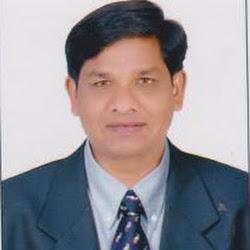 Dr gedam kamalakar
Ai-enhanced remote patient monitoring: a technological frontier in personalized healthcare
This paper delves into the dynamic intersection of Artificial Intelligence (AI) and Remote Patient Monitoring (RPM), exploring how the integration of these technologies is reshaping the landscape of healthcare. By examining recent breakthroughs, practical implementations, and ethical considerations, the article elucidates the transformative potential of AI-enhanced RPM in providing personalized, proactive, and efficient healthcare solutions.
 Dhruvitkumar talati
Effective key management in dynamic wsn
Recently, wireless sensor networks (WSNs) have been deployed for a wide variety of applications, including military sensing and tracking, patient status monitoring, traffic flow monitoring, where sensory devices often move between different locations. Securing data and communications requires suitable encryption key protocols. In this paper, we propose a certificateless-effective key management (CL-EKM) protocol for secure communication in dynamic WSNs characterized by node mobility. The CL-EKM supports efficient key updates when a node leaves or joins a cluster and ensures forward and backward key secrecy. The protocol also supports efficient key revocation for compromised nodes and minimizes the impact of a node compromise on the security of other communication links. A security analysis of our scheme shows that our protocol is effective in defending against various attacks.We implement CL-EKM in Contiki OS and simulate it using Cooja simulator to assess its time, energy, communication, and memory performance.
 Dr h shaheen
Tomato leaf disease classification by exploiting transfer learning and feature concatenation
Tomato is one of the most important vegetables worldwide. It is considered a mainstayof many countries’ economies. However, tomato crops are vulnerable to many diseasesthat lead to reducing or destroying production, and for this reason, early and accuratediagnosis of tomato diseases is very urgent. For this reason, many deep learning modelshave been developed to automate tomato leaf disease classification. Deep learning isfar superior to traditional machine learning with loads of data, but traditional machinelearning may outperform deep learning for limited training data. The authors proposea tomato leaf disease classification method by exploiting transfer learning and featuresconcatenation. The authors extract features using pre-trained kernels (weights) fromMobileNetV2 and NASNetMobile; then, they concatenate and reduce the dimensionalityof these features using kernel principal component analysis. Following that, they feedthese features into a conventional learning algorithm. The experimental results confirmthe effectiveness of concatenated features for boosting the performance of classifiers.The authors have evaluated the three most popular traditional machine learning classifiers,random forest, support vector machine, and multinomial logistic regression; amongthem, multinomial logistic regression achieved the best performance with an averageaccuracy of 97%.
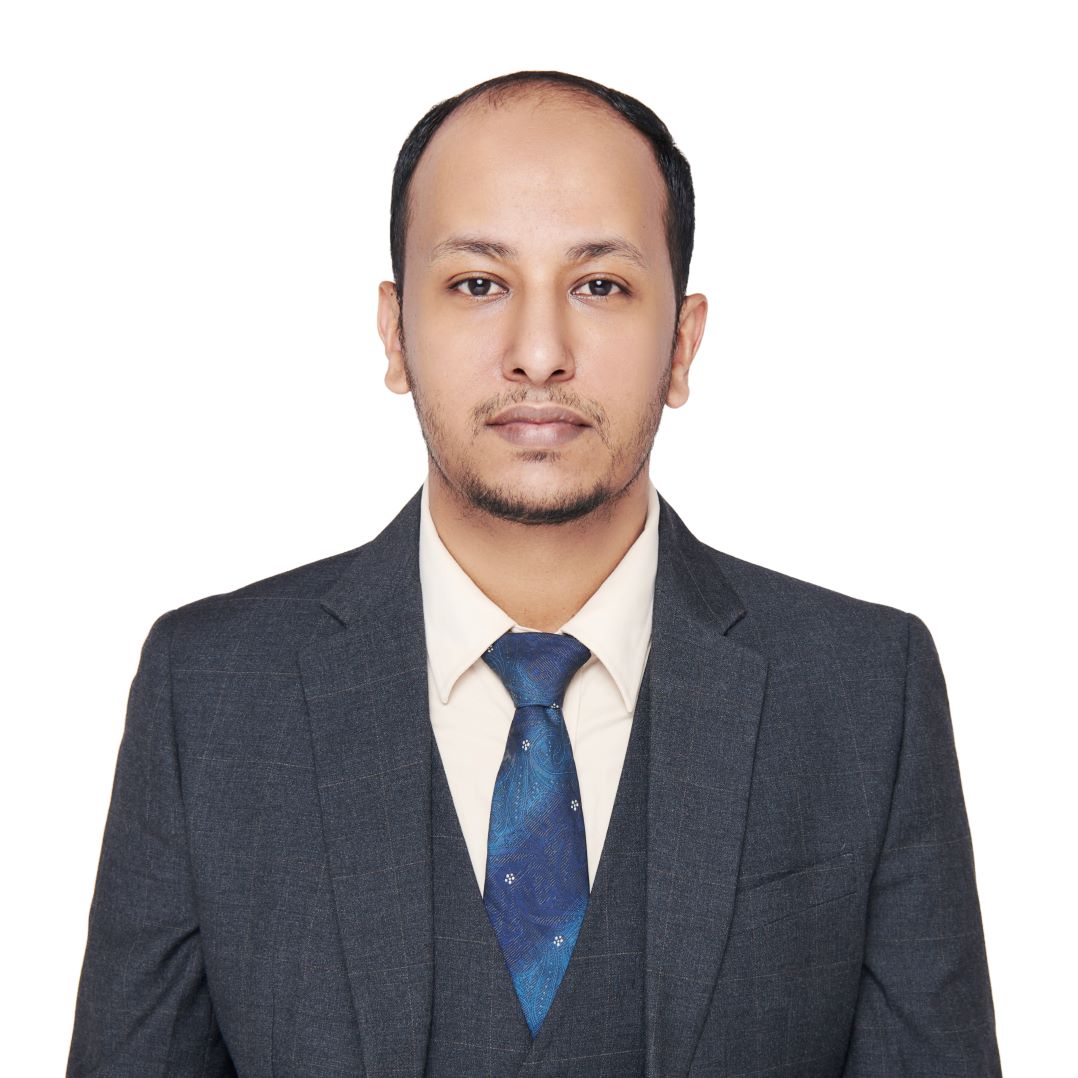 Mehdhar s. a. m. al-gaashani
Determinants of intention to improve oral hygiene behavior among students based on the theory of planned behavior: a structural equation modelling analysis
Introduction: The prevalence of oral hygiene behaviors (OHB) is very low among school children in Ethiopia. However, the determinants of student's readiness/intention to perform those behaviors have been remained unstudied. Objective: This study aimed to identify the determinants of oral hygiene behavioral intention (OHBI) among preparatory school students based on the theory of planned behavior (TPB). Methods and materials: An institution-based cross-sectional study was conducted among 393 students. A 98-item self-administered questionnaire was used to evaluate oral hygiene knowledge (OHK), oral hygiene behavior (OHB), and OHBI based on TPB variables [attitude (ATT), subjective norms (SN) and perceived behavioral control (PBC)]. Descriptive statistics and structural equation modeling analysis (SEM) were employed to confirm relationships and associations among study variables. A p-value of less than 0.05 and a 95% confidence interval were used to declare statistical significance. Results: A total of 393 students were participated with a response rate of 97.5%. The mean age of the participants (54% females) was 18 (± 1.3) with an age range of 16 to 24. The TPB model was well fitted to the data and explained 66% of the variance in intention. ATT (β = 0.38; 95% CI, (0.21, 0.64)), SN (β = 0.33; 95% CI, (0.05, 0.83)) and PBC (β = 0.29; 95% CI, (0.13, 0.64)) were significant predictors of OHBI, where ATT was the strongest predictor of OHBI. Conclusion: The TPB model explained a large variance in the intention of students to improve their OHB. All TPB variables were significantly and positively linked to stronger intent, as the theory suggests. Furthermore, these results suggest that the model could provide a framework for oral hygiene promotion interventions in the study area. Indeed, these interventions should focus on changing the attitudes of students towards OHB, creation of positive social pressure, and enabling students to control OHB barriers.
 Kegnie shitu
Perspective on health care in india and libya: a short commentary
With a few years of teaching medical students and witnessing the status of medical education and health care delivery in Libya, for a decade or more, a reflection of what is happening in Libya, the country which has given respect and economic freedom to a teacher like me. The Republic of India, a South Asian country is the seventh largest nation by area, the second most populous country and the most populous democracy in the globe. One of the fundamental rights of the Indian constitution is the ‘Right to life’ which translates to “Right to Health”. India is a Federal country with 29 states and eight union territories [1]. Indian health care is taken care of by the States by organizing and delivering health care and the Central Government takes responsibility for international health treaties: medical education, prevention of food adulteration, quality control in drug manufacturing, national disease control and family planning. Indian health care under the public sector is provided free to people who are below the poverty line. Indian Public Health sector caters to 18.0% of total patient care and 44.0% of total in patient care. The total expenditure for health care is around 04.0% of the GDP and out-of-pocket expenses are around 69.0%. If it is calculated the cost of health care is around 1700 Indian rupees/capita/year [2]. It is true of Libya also. It has its national health a policy with free medical care and policy to cater to the needs of the Libyan people. With the civil unrest, and a transient locally elected government, Libya finds itself in very critical situation related to its economy and public services including public health. The hospitals built and their destruction because of the civil war lie in a very demanding conditions with poor supply chains and logistics to maintain the necessary demand and supply situation. The health care personnel physicians, nurses and public health workers are competent. They have to operate in a trying condition to save lives with limited healthcare facilities in the form of drug, medicine and medical equipment.
 Mediterranean journal of pharmacy and pharmaceutical sciences
In-vitro evaluation of chromium tolerant plant growth promoting bacteria from tannery sludge sample, dindugal, tamil nadu, india.
Industrial waste is one of the most essential sources of contamination in the environment. Chromium (Cr) is a toxic heavy metal, a major contaminant in tannery wastes and its accumulation in soil and water is a major environmental concern today. In the present study, an attempt was made and investigated the status of different beneficial microbes particularly plant growth promoting rhizobacteria (PGPR) from tannery sludge samples collected from tannery effluent treatment plant at Dindugal, Tamil Nadu, India. Experiments were conducted and evaluated their chromium heavy metal tolerance abilities and plant growth promoting activities under in-vitro. Based on molecular analysis, the PGPRs were identified as Achromobacter xylosoxidans (LK391696), Azotobacter vinelandii (LK391702) and. The production of IAA was found to be high by Achromobacter xylosoxidans (46μg/ml) followed by Azospirillum lipoferum (30μg/ml). Phosphate solublization activity was also found to be positive in all these PGPR isolates. Significance of these results revealed that there is a possibility of using these potential PGPRs for bioremediation of chromium contaminated sites and also as good plant growth promoter.
 Dr. saranya devi k
Impact of mobility on power consumption in rpl
The main theme of this paper is to implement the mobility model in the Cooja simulator and to investigate the impact of mobility on the performance of Routing Protocol over Low power Lossy networks (RPL) in the IoT environment. In the real world, mobility occurs frequently. Therefore in this paper, a frequently used mobility model - Random Way Point (RWP) is used for analysis. RWP can be readily applied to many existing applications. By default, the Cooja simulator does not support mobility models. For this, the Bonn Motion is introduced into Cooja as a plugin. As IoT deals with the resource-constrained environment, a comparison is done between the static environment and the mobile environment in terms of power consumption. As expected, the results indicate that mobility affects the RPL in terms of Power Consumption
A comparative study of serum leptin in normotensive and pre-eclamptic nigerian women
Background: Pre-eclampsia remains a significant contributor to maternal and perinatal morbidity and mortality. Research into changes associated with the disease offers some hope into identifying predictive and prognostic factors. In recent times, serum leptin has attracted interest as a possible marker for the disease. The aim of this study was to determine and compare the serum leptin levels in normotensive and pre-eclamptic pregnant women attending antenatal clinic at the Delta State University Teaching Hospital, Oghara, Delta State, Nigeria. Methods: This was a prospective case-control study design at the Delta State University Teaching Hospital, Oghara, Nigeria in which sixty three pregnant women who received antenatal care and developed pre-eclampsia were recruited into the study. For each selected pre-eclamptic, a matched normotensive was selected as control. Serum leptin level was measured by radioimmunoassay (RIA) ELISA. Results: There was a statistically significant difference in mean serum leptin levels between the normotensive and pre-eclamptic pregnant patients 15.11±4.81 ng/dl vs 38.98±8.66 ng/dl; p<0.001. Furthermore, there was a statistically significant difference in mean leptin levels between mild and severe pre-eclampsia; 16.49±8.22 ng/dl vs 39.03±8.58 ng/dl;p<0.001.Conclusion: This study revealed an association between serum leptin level and pre-eclampsia. Serum leptin may be a potential marker for pre-eclampsia and deserves further investigation.
 Karishma
Assessment of drug prescribing pattern and prescription errors in elderly patients
The rate of aging is rapidly increasing and the term of geriatric refers to offer a medical care to elderly people. Drug consumption study on geriatric population is a vital issue since this group is totally neglected in Libya. The aim of this study was to assess drug utilization pattern among elderly patients in terms of world health organization core prescribing indicators and to evaluate the treatment cost. A total of 106 prescriptions were randomly collected from different community pharmacies located in Tripoli during the summer 2019, and were evaluated (total number of prescribed drugs is 359) for their clinical efficacy and safety. The findings revealed that 60 drugs acting on GIT (16.7%), 50 antimicrobial drugs (13.9%), 31 antihypertensive drugs (8.6%) and 30 drugs for respiratory diseases (8.4%) were prescribed to patients who are 65 years old or more. With regard to disease pattern in the elderly Libyan patients, 27 drugs were prescribed for diabetes mellitus (7.5%), 24 drugs for cardiovascular drugs (6.7%) and 14 drugs for anti-hyperlipidemia (3.9%). According to the WHO core drug use indicator pattern, the average number of drugs prescribed per encounter was 3.3. Prescription by generic name was low (41.5%). Antibiotics were 36.8% while injections were 26.6%. Thus, this study suggest that geriatric medicine and rational drug use should strongly be implanted in medical schools and teaching hospitals. Besides, a drug pattern use of the Libyan community is urgently required to avoid drug prescribing errors.
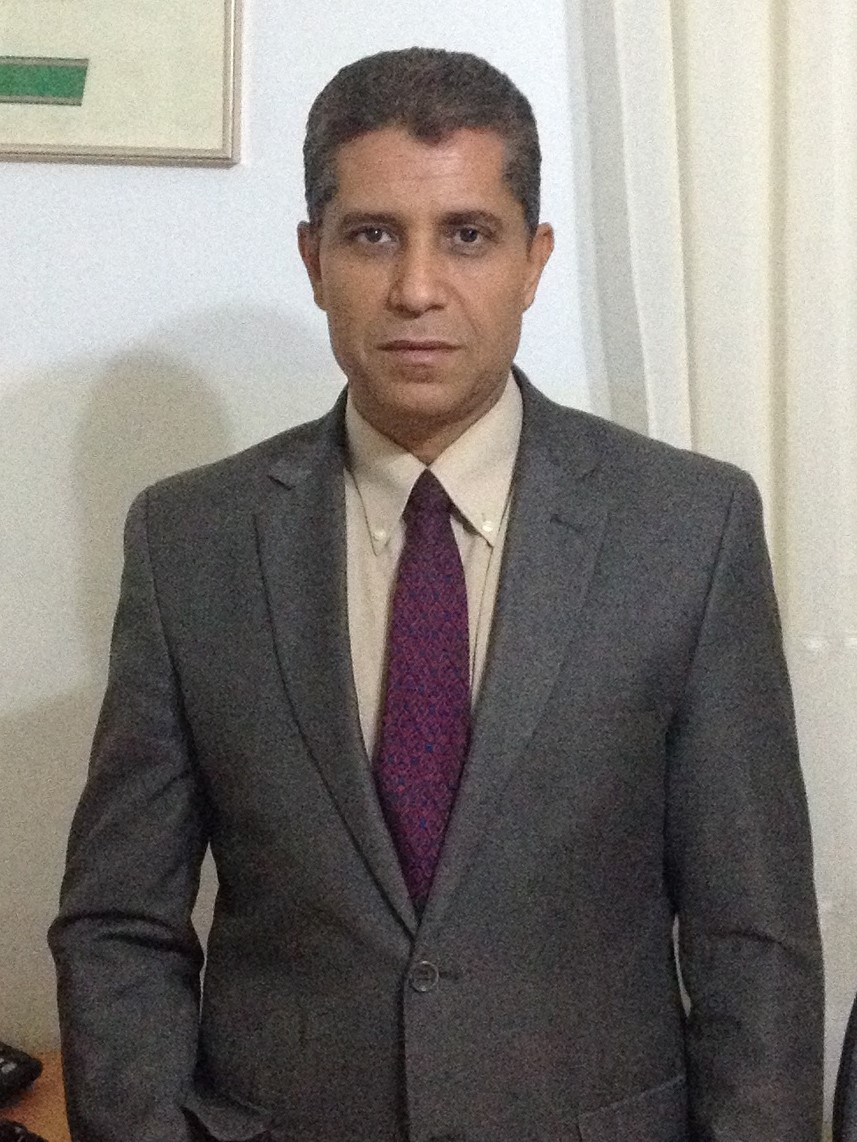 Fathi m. sherif
Ict impediments in performing roles and responsibilities by teaching professionals in the higher education institution
Information and communication technology is an instrument in addressing some of the issues of Indian higher education however; there are certain drawbacks to using ICT to enhance teaching and learning. The present research was carried out in The Maharaja Sayajirao University to study the impediment faced by them in the use of ICT in their professional work. Quantitative data was collected from two hundred and ninety faculty members through the purposive and convenient sampling method. The data indicate that faculty members faced technological infrastructure-related impediments such as lack of smart boards, lack of computers, uneven bandwidth of internet, slow internet connection. It is suggested that an adequate atmosphere be developed in the institution that would encourage faculty members to use ICT.
 Maniar avani
Attitude towards wearing face mask increases vulnerability of men over women and the risk of covid-19 pandemic spread in jos-south metropolis, plateau state, nigeria
Background Covid-19 pandemic has hit many countries and put the majority of the public health system to test globally. Mandatory use of face mask was among policies set by the government to contain the spread of the novel disease. But citizens’ attitudes and compliance with these policies are important in controlling the pandemic. We assessed gender-based compliance to Covid-19 protocol (use of face mask) in Jos South, Plateau State, Nigeria. Methods Perception regarding Covid-19 and the use of face masks were assessed among participants using a questionnaire-based survey. In a cross-sectional study, ninety (n=90) questionnaires were administered to willing participants directly. A Chi-square test was used to determine the descriptive analysis of all responses, P-values <0.05 were considered statistically significant. Result Out of 90 participants, 55.6% (50/90) were male and 44.4%(40/90) were female. Forty-two (84%) males deny the existence of the pandemic while in females, 14 (35%) deny that Covid-19 exist. Thirty-seven (74%) of the male respondents do not comply with to use of the face mask and use a single face mask multiple times without decontamination. In females, 28 (70%) comply with the use of the face mask. Unlike the men, 20 (50%) of the females always decontaminate the face mask. The middle-aged adult (26-45 years) uses the face mask more than the young (18-25 years). There was a significant association of gender in relation to the perception of Covid-19 and the use of facemask (p< 0.05). Conclusion Male respondents showed an irresponsible attitude complying to Covid-19 protocol than the females, therefore, enlisting them as a risk factor for the continued spread of the virus. We recommend that public health awareness and campaigns should focus and employ greater influence on men and young adults in their compliance with the preventive protocols.
 Bitrus inuwa
Customer perceptions on inclusive banking practices – a study with reference to andhra bank
Financial Inclusion is emerging as a new paradigm of economic growth that plays major role in driving away the poverty from the country. It refers to delivery of banking services to masses including privileged and disadvantaged people at an affordable terms and conditions. Financial inclusion is important priority of the country in terms of economic growth and advances of society. It enables to reduce the gap between rich and poor population. In the current scenario financial institutions are the robust pillars of progress, economic growth and development of the economy. When and where all citizens are participated in financial system, the economy and system will become very strong. In this regard the research article was focuses on customer perceptions towards inclusive banking practices.
A study on work life balance of teaching faculities working in arts and science colleges
Work life balance of employees has become an important issue which discusses mainly about their carrer development and the family care, it is necessary to know how the employees balance the demand for their profession and also their domestic compulsions. Professional life is hat the aim to grow and earn respect in the workplace and the society they live-in. Personal life means taking care of family, spouse, children, health and spending the available leisure time effectively. According to work foundation, the term work-life balance is about individuals having a measure of control over when, where and how they work, leading them to be able to enjoy an optimal quality of life. It is defined as establishing a successful balance between working obligations and personal commitments. Work – life balance for teaching professional has become a challenge in recent years. Teachers work load demands their time both in the institution and also extends to their home. Teaching professionals need to focus on soft skills and life skills so that they should aim at producing good citizens for the country.
Educational access for tribal groups in telangana state
A state in southern India called Telangana has a rich and varied cultural history. There are numerous tribes in the area, and they have long coexisted peacefully with the environment. These tribes have distinctive traditions that have been handed down through the generations. The Gond, Koya, Lambada, and Banjara are notable tribes in Telangana. Over the years, these tribes have encountered several difficulties, such as land acquisition, displacement, and a loss of cultural identity. However, via several government initiatives and community-based programs, efforts are being undertaken to maintain their culture and give them more authority. Tribal Development has been in the agenda for discussion at several levels in different forums for quite some time and continues to be an important aspect for serious deliberation in Telangana, not only because of a significant portion of the tribal population but more importantly because of the inequality of their participation, both socially and economically. The conventional wisdom that the tribal population should not be integrated with the mainline population, does not cut ice any longer as tribals themselves are eager to participate in national development and construction. A major initiative to empower the tribals, in my view is through the provision of appropriate educational opportunities to the children of the tribal families, though the aspects like infrastructural and health are identified as critical inputs. The present book tries to disclose the situation of the Scheduled Tribes in Telangana State. Various eminent scholars and students, media friends delivered their observations through their research papers. As per the observations and findings, the book contains some valuable and instant suggestions for overall development of tribes that the Telangana State Government has to play a major role in this endeavour This article critically examines initiatives for greater participation in education by tribal communities in India, arguing that current policy does not effectively enough facilitate greater participation and may, in fact, go against the avowed principle of ensuring greater equity. The article relies on fieldwork-based study to support arguments for the need to be culturally sensitive in making appropriate provisions for the education of scheduled tribes in India. Reasons for high dropout rates and non-enrolment among tribal children are examined and some searching
Financing ict smmes at different stages of the business life cycle
Small, medium and micro enterprises (SMMEs) represent a vital element in our economy in terms of addressing unemployment and the gross domestic product (GDP) of our country. Improving the success rate of SMMEs would save a lot of financial resources, thus understanding the financing options that complement success at different phases of the business is very important. This research sought to examine the extent to which the financing options chosen by entrepreneurs will have an impact on business success. The investigators adopted the progression of the ventures along the business life cycle stages as a benchmark for assessing success. The study focused primarily on SMMEs in the Eastern Cape Information Communication Technologies (ICT) sector. Data was obtained using an online survey which reached 50 small business owners/ business representative within the ICT sector in the Eastern Cape Province. The research study showed the role that internal financing options, such as personal savings, family, relatives and friends' financing, retained earnings, sale of existing assets and cutting down stock levels, play in the achievement of ICT SMME success. Moreover, examined external financing options such as Broad-Based Black Economic empowerment (B-BBEE) financing, bank loans, equity financing, government grants, trade credit, to SMME success. Key results revealed that the financial support of B-BBEE and personal savings have played a key role in the success of ICT SMMEs throughout the business life cycle phases. This occurs after an ICT SMME has advanced successfully over the start-up stage and aims for success in the development phase. The finding revealed that for these SMMEs to attain success at the development stage, they should finance their business investment projects utilising credit trade, bank loans, families, relatives and friends. The abovementioned financing options are only substantially linked to good advancement from the development phase onto the expansion phase. Also, suggestions have been made to the ICT SMME management to include B-BBEE finance, personal savings, bank loans, families, relatives and friends and trade credit as suitable funding choices for the ICT SMME's life cycle
 Luyolo mahlangabeza
Learning by doing: assessment of apprentices performances across partner institutions in metro manila
Apprenticeship is one way of learning by doing. The Student Apprenticeship Program (SAP) or Apprenticeship as referred to in this study is a curricular program of the Institute of Accounts, Business and Finance (IABF) of the Far Eastern University - Manila. It aims to enhance the preparation of the students for actual employment after college graduation. A study was conducted on the sixty-nine (69) Business Administration interns of a private university in Manila during the first semester of academic year 2017 - 2018. Performance Evaluation Forms were distributed to all the supervisors of host companies. Evaluation forms were personally monitored by the Apprentices Adviser which made it possible to collect a 100% response. A sort of quantitative analysis was used to analyze the information provided for in the evaluation forms. The purpose of this study is to assess the interns’ performances and skills as well as their strengths and weaknesses based upon the personal and direct observation by the supervisors of the various host companies. This study will also find the gap in the interns’ skills based upon the Institute expectation and observation by the supervisors. The study is limited to one time observation by supervisors of various host companies. This study is underpinned by sociocultural theory, cognitive apprentice theory, situated learning theory and the 21st Century Skills Framework.
 Dr. leonardo f. cada, jr.
Bioassay of new chemistry insecticides against pod borer, helicoverpa armigera on chickpea
Toxicity of different insecticides was evaluated against 2nd and 3rd instar larvae of Helicoverpa armigera under laboratory conditions by leaf dipping method. The insecticides viz., thiodicarb 75WP, novaluron 10EC, spinetroam 11.7EC, indoxacarb 15.8EC, quinalphos 25EC, rynaxypyr 18.5SC, emamectin benzoate 5SG and cypermethrin 25EC were tested. Spinetoram was found most effective in managing the 2nd instar larvae of H. armigera and it was followed by novaluron 10EC and indoxacarb 15.8EC as compared to cypermethrin 25EC. Emamectin benzoate 5SG @ 1 x 10⁻⁷ to 1 x 10⁻⁹ per cent concentrations recorded 100% mortality against 2nd instar larvae and LC50 values for 3rd instar larvae was 0.00000000045%. Insecticides novaluron 10EC, spinetoram 11.7EC and cypermethrin 25EC did not show promising and consistent results against 3rd instar larvae of H. armigera at 24 hrs. The LT50 of novaluron 10EC at 0.00005% concentration was 19.861 hrs and it was 28.144 hrs at 0.000001% against 2nd instar larvae of H. armigera
 Dr. babu lal jat
A lightweight deep learning framework using resource-efficient batch normalization for sarcasm detection
Communication is not always direct; it often involves nuanced elements like humor, irony, and sarcasm. This study introduces a novel two-level approach for sarcasm detection, leveraging Convolutional Neural Networks (CNNs). Convolutional neural networks (CNNs) are crucial for many deep learning applications, yet their deployment on IoT devices is challenged by resource constraints and the need for low latency, particularly in on-device training. Traditional methods of deploying large CNN models on these devices often lead to suboptimal performance and increased energy consumption. To address this, our paper proposes an energy-efficient CNN design by optimising batch normalisation operations. Batch normalisation is vital for deep learning, aiding in faster convergence and stabilising gradient flow, but there has been limited research on creating energy-efficient and lightweight CNNs with optimised batch normalisation. This study proposes a 3R (reduce, reuse, recycle) optimisation technique for batch normalization. This technique introduces an energy-efficient CNN architecture. We investigate the use of batch normalization optimization to streamline memory usage and computational complexity, aiming to uphold or improve model performance on CPU-based systems. Additionally, we evaluate its effectiveness across diverse datasets, focusing on energy efficiency and adaptability in different settings. Furthermore, we analyze how batch normalization influences the performance and effectiveness of activation functions and pooling layers in neural network designs. Our results highlight batch normalization's ability to enhance computational efficiency, particularly on devices with limited resources.
 Jiby mariya jose
Most Popular Category
- Pharmacy (270)
- Education and social science (224)
- Pharmacology (223)
- Pharmacognosy (178)
- Business management (147)
- Pharmacology and toxicology (134)
- Education and training (131)
- Pharmaceutical sciences (130)
- Medicine (129)
- Research (123)
- Health Science (100)
- Biological Sciences (99)
- Management (98)
- Computer Science (94)
- Public health (91)
- Computer Science Applications (87)
- Human resource management (83)
- Engineering (80)
- Accounting and finance (73)
- Information technology (69)