Elevating standards: providing quality higher education in telangana
This study investigates the access and equity challenges faced by tribal students in higher education institutions in Telangana, India. Despite various governmental initiatives aimed at improving educational outcomes for tribal communities, significant disparities persist. This research employs a comparative analysis across selected universities in Telangana, focusing on enrolment rates, retention, academic performance, and support services tailored for tribal students. Data is gathered through a combination of quantitative surveys and qualitative interviews with students, faculty, and administrators to gain a comprehensive understanding of the barriers and facilitators affecting tribal education. The findings reveal systemic inequities related to socio-economic status, cultural relevance of curricula, and the availability of financial and academic support. Moreover, the study highlights successful practices and policies implemented by certain institutions that promote inclusive education and enhance access for tribal students. The results underscore the need for targeted interventions to create a more equitable higher education landscape in Telangana, ultimately contributing to the empowerment of tribal communities and their representation in the academic sphere.
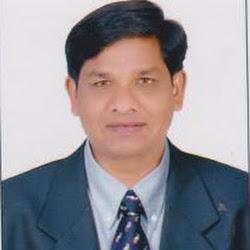 Dr gedam kamalakar
A neuropharmacological profile of lycium schweinfurthii (solanaceae) methanolic extract in mice
Lycium schweinfurthii is a shrub belonging to the Solanaceae family which widely grows in North Africa and Mediterranean regions. The plant leaves have traditionally been used for gastrointestinal diseases as peptic ulcer in Libya. This study aimed to investigate the effect of Lycium schweinfurthii extract on the central nervous system in mice including anticonvulsant, antidepressant and muscle relaxant activities. The methanolic extract was prepared by fractionation technique. Albino male mice weighing 22 ± 2.0 gm were used and equally divided into equal number and weight for each experiment (n = 6). The best effective pharmacologically dose of 400 mg/kg, i.p. of the methanolic extract was selected to explore the anticonvulsant activity for picrotoxin-induced convulsion in mice (5.0 mg/kg), antidepressant activity of forced swimming test of depression and muscle relaxant action by motor coordination test of hanging wire. Fluoxetine (10.0 mg/kg), imipramine (15.0 mg/kg) and diazepam (5.0 mg/kg) were used as reference compounds. Lycium schweinfurthii extract exhibited a significant prolonged delay in the onset time of induced convulsion and significant decrease in the frequency of convulsion as well as a significant decrease in the duration time of attacks. Pretreatment with flumazenil (2.0 mg/kg) was found to increase the frequency and duration of convulsions without profound change in the onset time produced by Lycium schweinfurthii. For antidepressant activity, the plant leave extract significantly decreased immobility time duration without a muscle relaxant effect. The results suggest that the methanolic extract of Lycium schweinfurthii leave has anticonvulsant and antidepressant-like activities without any muscle relaxant effect in mice. Thus, Lycium schweinfurthii may have a neuropharmacological potential use in human.
 Mediterranean journal of pharmacy and pharmaceutical sciences
. therapeutic potential of marine peptides in glioblastoma: mechanistic insights
Glioblastoma multiforme (GBM) is the most common primary malignant brain tumor in humans. It is characterized by excessive cell growth, accelerated intrusion of normal brain tissue, and a poor prognosis. The current standard of treatment, including surgical removal, radiation therapy, and chemotherapy, is largely ineffective, with high mortality and recurrence rates. As a result, traditional approaches have evolved to include new alternative remedies, such as natural compounds. Aquatic species provide a rich supply of possible drugs. The physiological effects of marine peptides in glioblastoma are mediated by a range of pathways, including apoptosis, microtubule balance disturbances, suppression of angiogenesis, cell migration/invasion, and cell viability; autophagy and metabolic enzymes downregulation. Herein, we address the efficacy of marine peptides as putative safe therapeutic agents for glioblastoma coupled with detailed molecular mechanisms.
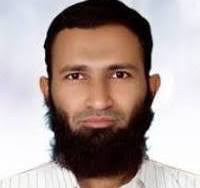 Dr. salman ahmed
The concept of creativity: definitions and theories
Creativity is regarded as one of the most complex of human behaviors. It can be influenced by a wide array of social, developmental and educational experience that leads to creativity in different ways in a variety of fields (Runco & Sakamoto, 1999). Opinions about the origin of creativity vary, and none of them explains the creative process completely. Creativity can be seen as the following: a divine quality, serendipitous activity, ‘planned luck’, endurance and ‘method’ (Cook, 1998a: p.6). Petrowski (2000: p.305) stated that “creativity research belongs to the baby-boom generation, beginning in earnest when Guilford directed the American Psychological Association in his 1950 presidential address to focus on this important but neglected area”. The existence of creativity as a modern term emerged from the results of the pioneering efforts of Guilford (1950) and Torrance (1962, 1974). Guilford and Torrance were psychometric theorists and they attempted to measure creativity from a psychometric viewpoint (Sternberg, 2006).
Curbing food insecurity through composite blend in the production of bread from wheat, acha, uzaaku and unere flours
The aim of this study was to evaluate the proximate and micronutrient composition, physical, biochemical and sensory properties of the bread produced from blends of wheat, acha, uzaaku and unere composite flours. Six samples (A-F) were produced in the following ratios A= 100:0:0 (100% Wheat), B= 80% wheat flour, 10% acha, 5% uzaaku flour, 5% unere; C = 70% wheat flour, 10% acha, 10% uzaaku flour, 10% unere; D = 60% wheat flour, 15% acha, 15% uzaaku flour, 10% unere; E = 50% wheat flour, 20% acha, 15% uzaaku flour, 15% unere; F = 40% wheat flour, 20% acha, 20% uzaaku flour, 20% unere. The parameters were analyzed using standard methods. The proximate composition of the bread showed significant increase (p<0.05) in protein, fat, crude fibre, ash, and caloric (energy) value which ranged between 7.69-18.32%, 2.41-3.70%, 2.473.86%, 3.09-4.03%, and 285.25-304.06 (Kcal/kg) and a significant decrease (p<0.05) in moisture content (20.72-26.14%) and carbohydrate (49.37-58.20%), respectively. The micronutrient content showed increase in calcium, magnesium, potassium, iron, zinc, phosphorus, vitamin B1, B2, B3, A and C as the amount of substituted flour blends increases. The result of the physical properties showed decrease in the loaf weight, loaf height, loaf volume and specific volume ranged from 240.60-218.80 g, 3.33-6.66 cm, 155.00-205.00 cm3, 0.71-0.85 cm3/g, respectively. The result of the serum biochemical parameters of rats fed the composite bread samples showed significant decrease (p<0.05) in AST, ALT, ALP, Bilirubin, creatine, urea and albumin values, respectively. The sensory attributes of the bread showed significant differences (p<0.05) in colour, aroma, taste, crumb texture and general acceptability such that the values obtained ranged from 6.05-8.90, 6.008.45, 6.40-8.60, 5.85-8.30 and 6.10-8.35, respectively. The findings of the study showed that supplementation of wheat with 10% acha, 10% uzaaku and 10% unere flour blends could produce well accepted bread samples.
 Okechukwu obed chukwuemeka
Variance in multidimensional competencies and professional development needs of kindergarten teachers
This paper investigated the variation in the multidimensional competencies and professional development needs of kindergarten teachers using a cross-sectional research design. It involved 54 purposively selected kindergarten teachers and collected the data using the self-assessment tool adopted by the Department of Education from the National Research Center for Teacher Quality in the Philippines. These data were analyzed using both descriptive and inferential statistics. As found, kindergarten teachers have a high level of competencies across dimensions. Also, they have a very high extent of professional development needs in content knowledge and pedagogy and the learning environment and diversity of learners. Moreover, they have a high extent of professional needs in two dimensions. The reported high priorities for training imply more emphasis on providing them professional development activities. Results found no significant difference in the competencies of kindergarten teachers in terms of age, position, civil status, degree, and years of teaching. On the contrary, significant differences revealed in their competencies in content knowledge and pedagogy, learning environment and learners’ diversity, and curriculum and planning between those with masters and without a master’s degree. Lastly, results show no significant difference in their professional development needs. These results have implications for future research and planning for a more responsive and cost-effective professional development initiatives in the locale.
 Manuel caingcoy
An analysis of south africa’s readiness for analogue to digital terrestrial television migration
ABSTRACT The 2006 International Telecommunication Union (ITU) Radio World Conference treaty concluded that all countries should migrate from analogue to digital terrestrial television by June 2015, starting with region one countries, comprising Africa, Europe, the Middle East and the Republic of Iran (Agona & Otim, 2012). The purpose of this research was to explore the technology adoption model (TAM) to address challenges associated with digital terrestrial television migration, and analyse the readiness of South Africa to migrate. A quantitative research was conducted in order to determine the relationship between dependent and independent variables. Digital television offers many benefits for broadcasters, network operators, spectrum regulators, and consumers. In most countries, the transition was slower than expected, even though most European countries managed to migrate. The digital migration is not an easy transition and analogue switch-off can also be much more difficult. Studies have shown that analogue switch off (ASO) needs to be carefully planned and well budgeted for, and it also needs a good publicity campaign which must involve all relevant stakeholders, such as broadcasters, viewers, manufacturers, network operators, manufacturers and retailers. Even though studies conducted previously identified obstacles of digital migration to include; a) lack of awareness b) lack of information, c) influence of politics and d) influence of corruption.
 Luyolo mahlangabeza
Antitussive effect of some medicinal plants on sulphur dioxide induced cough in animal model
Humans have used natural products to treat different pathological conditions since immemorial. Numerous plants have been reported to have antitussive activity. Our present study aimed to evaluate the ethanolic extract of Arenaria serpyllifolia (Carophyllaceae, Whole plant), Caesalpinia pulcherrima (Caesalpiniaceae, Aerial parts) and Fragaria nubicola (Rosaceae, Whole plant) for antitussive activity at the doses of 200, 400 mg/kg in healthy albino rats. Cough is a symptom and defensive reflex of removing the toxic, irritating substances and pathogens from the larynx, trachea and bronchi. Cough is usually considered a disease related to the lungs. Several substances are responsible for the stimulation of cough reflexes. Among the most common are dust, histamine and bronchoconstriction. Arenaria serpyllifolia is a small annual herb commonly called Thyme-leaved sandwort, found in uncultivated land, arid meadows and cliffs. Caesalpinia pulcherrima is an ornamental plant, usually 2 m tall, known as a Peacock flower. Fragaria nubicola grows in wooded valleys, forest margins and meadows. It is commonly known as wild strawberry. These plants have been used traditionally for cough suppression by different societies. In this study, cough was induced by using the sulphur dioxide induction method. Animals were divided into eight groups of ten animals each, and all the drugs were administered orally. Group I was the control group, while Group II was the standard. A dose-dependent inhibition of cough was observed for all extracts. At 200 and 400 mg/kg doses, all three extracts proved highly significant compared to standard. So, it proves and supports the traditional use of plants for relieving cough.
The silent scream of skin cells: a brief review of slow electrical signaling in the epithelium
Epithelial cells, lining the skin and internal organs, play a crucial role as protective barriers and regulators of substance transport. Traditionally, these cells were not considered to employ electrical signaling for communication. However, recent investigations have unveiled that epithelial cells generate slow electrical signals, termed the "silent scream," in response to injury, thus challenging conventional views of intercellular communication. A recent experimental investigation provided compelling evidence for this phenomenon, demonstrating the ability of these cells to transmit electrical signals over considerable distances within the epithelium. The research utilized microelectrode array chips to precisely detect subtle electrical events in keratinocytes and Madin-Darby Canine Kidney (MDCK) cells, revealing spiking activity characterized by slow propagation speeds, distinct from the rapid action potentials of neurons. The mechanisms underlying this novel signaling are explored, focusing on the involvement of mechanosensitive ion channels, calcium signaling, and Adenosine triphosphate (ATP) release. Calcium ions, well-established intracellular messengers, appear to play a central role in this biological phenomenon. Integrating this newly discovered communication mode into the existing understanding of skin cell biology reveals a more intricate picture of how skin senses and responds to its environment. The implications of this finding extend to various facets of skin physiology and pathology, including wound healing, inflammation, and skin aging. In wound healing, where endogenous electric fields guide cell migration and promote repair, this unique type of electrical signaling potentially plays a crucial part. Furthermore, aberrant electrical signaling might contribute to chronic inflammatory conditions, and age-related changes in this signaling could underlie the functional decline observed in aged skin. The potential for other environmental stressors to trigger the epithelial-generated electric signals also warrants investigation. The exploration concludes by discussing potential technological applications, such as bioelectric sensors and enhanced wound healing therapies, and future research directions aimed at further elucidating the molecular mechanisms and functional roles of this non-excitable cell electrophysiology.
 Karishma
Pengembangan kecerdasan kinestetik peserta didik melalui kegiatan ekstrakurikuler tari tradisional di madrasah ibtidaiyah unggulan al-islah kecamatan muncar kabupaten banyuwangi
Madrasah Ibtidaiyah Unggulan Al-Islah Muncar Banyuwangi adalah sekolah swasta yang pada bulan Januari 2018 mulai menerapkan kegiatan ekstrakurikuler tari tradisional dengan alasan untuk mengembangkan salah satu potensi yang dimiliki peserta didik yaitu kecerdasan kinestetik. Fokus penelitian ini, yaitu: 1) Bagaimana pengembangan kecerdasan kinestetik peserta didik melalui kegiatan ekstrakurikuler unsur wiraga tari tradisional di Madrasah Ibtidaiyah Unggulan Al-Islah Kecamatan Muncar Kabupaten Banyuwangi tahun pelajaran 2018/2019? 2) Bagaimana pengembangan kecerdasan kinestetik peserta didik melalui kegiatan ekstrakurikuler unsur wirama tari tradisional di Madrasah Ibtidaiyah Unggulan Al-Islah Kecamatan Muncar Kabupaten Banyuwangi tahun pelajaran 2018/2019? 3) Bagaimana pengembangan kecerdasan kinestetik peserta didik melalui kegiatan ekstrakurikuler unsur wirasa tari tradisional di Madrasah Ibtidaiyah Unggulan Al-Islah Kecamatan Muncar Kabupaten Banyuwangi tahun pelajaran 2018/2019? Hasil penelitian menunjukkan bahwa: 1) Meliputi, dengan pengenalan gerak dasar tari, pembiasaan senam pemanasan, latihan gerakan-gerakan tari tradisional dan perkembangannya dapat menguasai bagian-bagian tubuh ketika menari. 2)Meliputi, mengatur cepat lambatnya gerakan menggunakan hitungan dan perasaan, mengatur antara pergantian gerakan disaat musik yang tepat dengan menggunakan hitungan, mengatur keselarasan antara pukulan musik dengan gerakan-gerakan agar terdengar lebih mantap dengan menggunakan hitungan dan perasaan, dan perkembangannya dapat menyeimbangkan gerakan tari dengan alunan musik. 3) Dengan pembiasaan senam senyum selama beberapa menit agar terbiasa berkspresi tersenyum ketika menari, dan perkembangannya dapat terbiasa berekspresi tersenyum ketika menari.
 Educare: journal of primary education
Beyond crystallography: diffractive imaging using coherent x-ray light sources
X-ray crystallography has been central to the development of many fields of science over the past century. It has now matured to a point that as long as good-quality crystals are available, their atomic structure can be routinely determined in three dimensions. However, many samples in physics, chemistry, materials science, nanoscience, geology, and biology are noncrystalline, and thus their three-dimensional structures are not accessible by traditional x-ray crystallography. Overcoming this hurdle has required the development of new coherent imaging methods to harness new coherent x-ray light sources. Here we review the revolutionary advances that are transforming x-ray sources and imaging in the 21st century.
 Nima fahimian, md
“recession affects many factors”
Recession affects many factors; it affects the export, Slowdown of the industrial production, which result into slowdown of growth. Human resource management is responsible for how people are treated in organizations. It is responsible for bringing people into the organization, helping them perform their work, compensating them for their labours, and solving problems that arise. Recession presents a very difficult time for any existing organization in today’s corporate world and no company is exempted from this truth. The biggest challenge for companies and especially Human Resource in this economy downturn is to survive and to remain competitive, companies reorganized and reengineered to reduce waste. Recession poses unique challenges to the HR department. HRM strategies & innovations providing a wide selection of employees, employers, customers, suppliers etc. in all ranges This paper outlines the transformation of HRM strategies and innovations in Asia. Beginning with its inception, the paper is progresses towards its various HRM functions like recruitment and selection of employee, training and development, compensation and benefits, growth of Human communication, This paper also highlights HRM strategies to counter intensified competition and external conditions like global economic recession, the resultant credit crunch and its impact on employee performance.
 Dr. pankaj shyamlalji vishwakarma
Vc router design for power efficient network on chips
The work presented in this paper is analysis and design of power efficient Network on Chips (NoCs). NoC architecture, routers, structure of NoC, topologies and their components has been discussed in this work. The parameters likely speed, latency, static and dynamic power is analyzed. This work found better results as compared to previous works.
Autophagy mechanism, regulation, functions, and disorders
Autophagy is a self-digesting mechanism responsible for removal of damaged organelles, malformed proteins during biosynthesis, and nonfunctional long-lived proteins by lysosome. Autophagy has been divided into three general types depending on the mechanism by which intracellular materials are delivered into lysosome for degradation that is, microautophagy, chaperone-mediated autophagy (CMA), and macroautophagy. In microautophagy cytoplasm material is sequestered through direct invagination to the lysosomal membrane. Whereas in CMA proteins flagged with pentapeptide motif (KFERQ) were selectively degraded through direct translocation into lysosome. Macroautophagy involves the formation of subcellular double-membrane-bound structures called autophagosomes that contain degradable contents of cytoplasm materials and deliver them into lysosomes for breakdown by lysosomal enzymes. The molecular mechanism of autophagy involves several conserved Atg (autophagy-related) proteins. Systems produce modified complexes Atg8-PE and Atg5-Atg12-Atg16 as autophagy regulators. Autophagy is activated in response to diverse stress and physiological conditions. For example, food deprivation, hyperthermia, and hypoxia are mediated by factors like insulin/IGF-1, m-TOR signaling, FOXO transcription factors, and chaperones. The perturbance in autophagy may lead to several types of cancers, myopathies, and neuromuscular disorders. Several autophagy inducers and inhibitors like 3-methyladenine (3-MA), bafilomycin A1, LY294002 (LY), and Velcade have been used to treat disease is an intense field of study.
 Kamal singh
Evaluasi optimalisasi alat forensik keamanan jaringan pada lalu lintas virtual router
This research aims to evaluate the optimization of network security forensic tools on virtual router (VR) traffic. The methodology used includes the selection of several forensic tools on the Windows operating system such as Wireshark, Windump, and Network Miner, with testing in a virtual network environment. Testing, includes simulating various attack scenarios to assess the effectiveness of threat detection, performance of forensic tools, and impact on network performance. The main results show that the tools have varying detection capabilities with variations in resource usage and impact on network latency. Network traffic has been successfully recorded using the Win-dump tool in the static-forensics method, the Wireshark tool and Network Miner in the live-forensics method. The evaluation results of the meta-router network forensic recording tool recommend Win-dump as a recording tool that does not burden the Windows operating system with memory usage of 1696 kb while the Wireshark and Network Miner applications are recorded at more than 20MB. Based on this research, the static forensic method which have been built with meta-router objects can be used by investigators to detect cyber attacks. Proper selection and configuration of forensic tools is critical to achieving a balance between security and network performance, and specific adjustments to network requirements can increase the effectiveness of threat detection and mitigation.
 Firmansyah yasin
The effects of different forms of risk communication on judicial decision making
When mental health experts provide information to courts on the results of a risk assessment conducted on a defendant or patient, they engage in “risk communication.” We examined the effects of four different forms of risk communication (prediction, categorical, risk factors/risk management, or hybrid) on judges’ (n = 253) perceptions of risk assessment evidence introduced in a case where they must decide whether to release from the hospital an individual found not guilty by reason of insanity. Judges who received information in the risk factors/risk management form were more likely to release the patient than were those who received prediction-based or categorical risk information. Judges with greater experience hearing cases involving risk assessment evidence were also more likely to release. Moreover, judges who had positive attitudes towards risk assessment and social science evidence in general, were more likely to find the risk assessment evidence introduced in the particular case to be understandable, relevant, and dispositive. Implications of the results for how mental health experts communicate risk information to the courts are discussed. (PsycINFO Database Record (c) 2016 APA, all rights reserved)
 John dolores
Leadership style of managers in five-star hotels and its relationship with employee’s job satisfaction
e purpose of the study is to investigate the impact of leadership style on employee job satisfaction in five-star hotels. A questionnaire consisted of 57 items based on five-point likert scale (from strongly disagree to strongly agree) was used to measure both leadership style and job satisfaction from employees’ perspectives. Using random sampling, the researcher distributed 350 questionnaires, 220 of which were completed. The obtained data from the questionnaires are investigated through the SPSS statistical packaged software. The empirical results indicated that two types of leadership styles, namely, democratic and laissezfaire were found to have direct positive significant relationships with employees’ job satisfaction. The findings showed that the dominant leadership style was democratic and employees were moderately satisfied with their job. This implies that democratic leadership is deemed suitable for managing hotels. The study’s results show that different leadership style will have different impacts on employee job satisfaction. An interesting finding is that democratic leadership has a stronger influence on job satisfaction than laissez-faire leadership does. As a result, by adopting the appropriate leadership styles, leaders can affect employee job satisfaction.
Pengembangan karakter mandiri melalui pembelajaran tematik pada kelas iii di madrasah ibtidaiyah negeri 5 jember
Fungsi pendidikan adalah untuk mengembangkan karakter peserta didik. Oleh karenanya, guru dituntut agar dapat mengembangkan karakter melalui proses pembelajaran diantaranya melalui pembelajaran tematik. Salah satu sikap yang dapat dikembangkan melalui pembelajaran tematik adalah karakter mandiri. Penelitian ini bertujuan untuk mendeskripsikan perencanaan, pelaksanaan serta faktor-faktor yang mempengaruhi pengembangan karakter mandiri melalui pembelajaran tematik pada kelas III di Madrasah Ibtidaiyah Negeri 5 Jember. Penelitian ini menggunakan pendekatan kualitatif dengan jenis fenomenologis. Teknik pengumpulan data menggunakan observasi, wawancara, dan dokumentasi. Hasil penelitian ini adalah: 1) perencanaan pembelajaran tematik dalam pengembangan karakter mandiri di Madrasah Ibtidaiyah Negeri 5 Jember diwujudkan dalam RPP yang disusun secara sitematis dan berbasis karakter dengan memasukkan karakter mandiri pada komponen kompetensi inti, kompetensi dasar, indikator, kegiatan pembelajaran, dan penilaian; 2) pelaksanaan pengembangan karakter mandiri pada pembelajaran tematik dilakukan melalui kegiatan pembelajaran mulai dari kegiatan pendahuluan, inti dan penutup. Namun kegiatan inti lebih dimaksimalkan dengan menggunakan model learning by doing dengan melakukan lima aktivitas belajar yaitu menanya, mengamati, mengumpulkan informasi, mengasosiasi, dan mengkomunikasikan; dan 3) faktor-faktor yang mempengaruhi pengembangan karakter mandiri yaitu lingkungan keluarga, lingkungan sekolah dan lingkungan masyarakat.
Approaching the slums in pune, india, empowering and uplifting the community with education and health reforms
With the expansion of human societies, extending up to almost every corner of the earth, transforming it to be as per their condition, humankind has proved their extraordinary dominance on the earth. The dominating attitude of humans has not resulted pleasantly every time. Poverty is one such curse that has shamed the progressing world community. Christianity has dedicated a large portion of its ministerial approach towards the underprivileged. This paper presents a missiological approach to uplift the slum dwellers in the city of Pune with education and health reforms. A similar project was experimented in 2014 among homeless people. The project did well and the results were significantly progressive and potential. It is assumed that this paper will bring an insightful approach that benefits the slums in Pune and enhance the “serving the humanity” aspect of the Christian mission.
 Santosh kumar
Motherhood and switch in her leadership styles in parenting during pandemic – with special reference to child with special needs…
A leader is a person, who influences his followers. The role of leader is often associated with managerial concepts, where a leader leads a team of employees, guides them, motivates them and influences them, in such way that the organisational productivity is honed up. A lot emphasis is on the style of leadership, exhibited by the manager, in honing the productivity of the organisation. According to (Hanvey, 2002; Janus, Kopechanski, Cameron, & Hughes, 2007; Morinaka, 2012; Reio & Fornes, 2011), most parents have dreams and hopes about their children and their lives. But, parents of children with special needs, though have, such dreams and hopes, have a harder time meeting these goals. According to Hanvey (2002), these parents need to devote more time and responsibilities, when it comes to raising a child with special needs, like caring for the child’s physical requirements due to his/ her disability, helping them with their physical and social needs and also help them in developing relationships with the others, so that they get a feeling of belongingness. Families with children having special needs undergo a higher level of stress (Gottfried & McGene, 2013). Families that have children with special needs, go through enormous stress levels, at times even financially stressed are they … (Hanvey, 2002; Moriwaka, 2012). But, Current study focusses on the effective leadership role played by a mother during the Pandemic, which is helping the kids, especially the children with special needs in combating the stress, that they are undergoing. A case of a child, diagnosed with autism(a serious behavioural disorder among young children that now occurs at epidemic rates in developing countries like India), since she turned two and how her mother has been helping her adapt to the new normal of staying home for all her activities and coping up with the increased stress levels.
 Nandini
Most Popular Category
- Pharmacy (270)
- Education and social science (224)
- Pharmacology (223)
- Pharmacognosy (178)
- Business management (147)
- Pharmacology and toxicology (134)
- Education and training (131)
- Pharmaceutical sciences (130)
- Medicine (129)
- Research (123)
- Health Science (100)
- Biological Sciences (99)
- Management (98)
- Computer Science (94)
- Public health (91)
- Computer Science Applications (87)
- Human resource management (83)
- Engineering (80)
- Accounting and finance (73)
- Information technology (69)