A review on the potential of remdesivir against sars cov2
Covid 19, the pandemic originated in the Chinese city of Wuhan, had the entire world conquered. The structure and transmission of the causative organism, Coronavirus is well studied. Remdesivir, the product of Gilead pharmaceuticals, was effective against many viral infections, including Ebola and SARS. It comes under the category of nucleoside prodrug and has given promising results in the early trials against SARS COV 19. In depth, research is taking place at a rapid pace, so that Remdesivir will be available to the therapeutic community as an effective remedy for the pandemic caused by SARS COV2. If this meets success, the darkest era in the modern history of mankind may become a memory in the near future.
 Vinod b
Use of weight-reducing products among libyans: pharmacist intervention in obesity management
Obesity is a complex and challenging global public health concern. It is a major disease involving excessive fat accumulation that may impair health. Obesity is dangerous and has been related to a range of long-term health issues that can impact adults and children. According to the World Health Organization, more than one billion people worldwide are obese as of March 2022. In the Libyan situation, the prevalence of obesity has increased among the public over the last decade. This cross-sectional survey-based study is conducted by using self-structured designed questionnaire to evaluate the use of anti-obesity drugs and herbal products among Libyan people. Additionally, considered as an indirect method, pharmacist performance in obesity management was also evaluated. The investigators collected interview data from three different cities in the Northwest of Libya over a period of five months, 2019. A total of 170 participants who use weight loss products were randomly selected to participate in the study after obtaining their verbal consent. The participants' experience with weight reduction agents revealed that more than half of the participants (52.3%) used herbal products while 32.0% of the participants have used drugs of chemical origin and 15.6% have used both (herbal and drugs). The majority of the participants (91.4%) used these products without medical consultation which in turn led to failure to lose and maintain weight with 74.2% gaining weight after stopping using these products. In conclusion, poor pharmacist intervention in obesity management was revealed where the majority of the participants reported that Libyan community pharmacists had not been offering weight management services, monitoring weight loss progress, or explaining the risks of being overweight or obese.
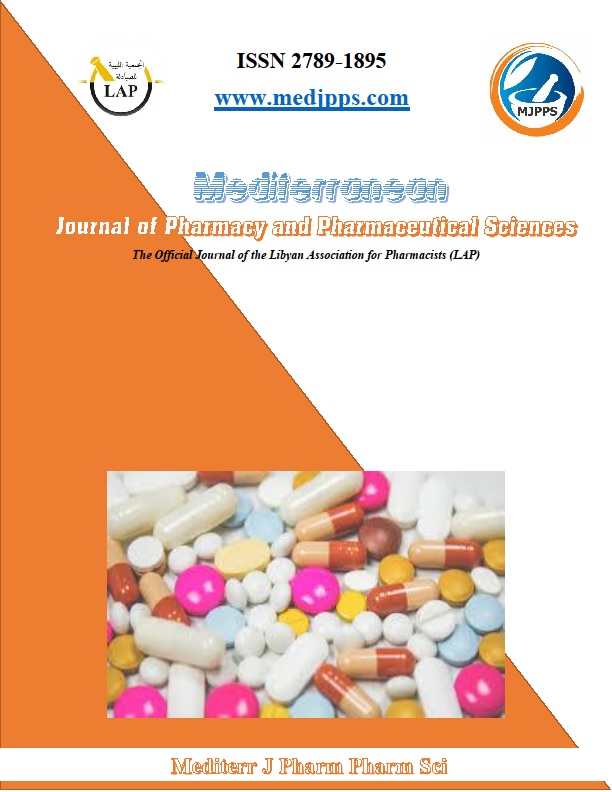 Mediterranean journal of pharmacy and pharmaceutical sciences
The art of public speaking pdf
The Art of Public Speaking BY J. BERG ESENWEIN AUTHOR OF "HOW TO ATTRACT AND HOLD AN AUDIENCE," "WRITING THE SHORT-STORY," "WRITING THE PHOTOPLAY," ETC., ETC., AND DALE CARNAGEY PROFESSOR OF PUBLIC SPEAKING, BALTIMORE SCHOOL OF COMMERCE AND FINANCE; INSTRUCTOR IN PUBLIC SPEAKING, Y.M.C.A. SCHOOLS, NEW YORK, BROOKLYN, BALTIMORE, AND PHILADELPHIA, AND THE NEW YORK CITY CHAPTER, AMERICAN The Art of Public Speaking by Dale Carnagey (AKA Dale Carnegie) and J. Berg Esenwein 2 INSTITUTE OF BANKING THE WRITER'S LIBRARY EDITED BY J. BERG ESENWEIN THE HOME CORRESPONDENCE SCHOOL SPRINGFIELD, MASS. PUBLISHERS Copyright 1915 THE HOME CORRESPONDENCE SCHOOL ALL RIGHTS RESERVED TO F. ARTHUR METCALF FELLOW-WORKER AND FRIEND Table of Contents Page THINGS TO THINK OF FIRST--A FOREWORD IX CHAPTER I --ACQUIRING CONFIDENCE BEFORE AN AUDIENCE 1 CHAPTER II --THE SIN OF MONOTONY 10 CHAPTER III --EFFICIENCY THROUGH EMPHASIS AND SUBORDINATION 16 CHAPTER IV --EFFICIENCY THROUGH CHANGE OF PITCH 27 CHAPTER V --EFFICIENCY THROUGH CHANGE OF PACE 39 CHAPTER VI --PAUSE AND POWER 55 CHAPTER VII --EFFICIENCY THROUGH INFLECTION 69 CHAPTER VIII --CONCENTRATION IN DELIVERY 80 CHAPTER IX --FORCE 87 The Art of Public Speaking by Dale Carnagey (AKA Dale Carnegie) and J. Berg Esenwein 3 CHAPTER X --FEELING AND ENTHUSIASM 101 CHAPTER XI --FLUENCY THROUGH PREPARATION 115 CHAPTER XII --THE VOICE 125 CHAPTER XIII --VOICE CHARM 134 CHAPTER XIV --DISTINCTNESS AND PRECISION OF UTTERANCE 146 CHAPTER XV --THE TRUTH ABOUT GESTURE 156 CHAPTER XVI --METHODS OF DELIVERY 171 CHAPTER XVII --THOUGHT AND RESERVE POWER 184 CHAPTER XVIII --SUBJECT AND PREPARATION 199 CHAPTER XIX --INFLUENCING BY EXPOSITION 218 CHAPTER XX --INFLUENCING BY DESCRIPTION 231 CHAPTER XXI --INFLUENCING BY NARRATION 249 CHAPTER XXII --INFLUENCING BY SUGGESTION 262 CHAPTER XXIII --INFLUENCING BY ARGUMENT 280 CHAPTER XXIV --INFLUENCING BY PERSUASION 295 CHAPTER XXV --INFLUENCING THE CROWD 308 CHAPTER XXVI --RIDING THE WINGED HORSE 321 CHAPTER XXVII The Art of Public Speaking by Dale Carnagey (AKA Dale Carnegie) and J. Berg Esenwein 4 --GROWING A VOCABULARY 334 CHAPTER XXVIII --MEMORY TRAINING 343 CHAPTER XXIX --RIGHT THINKING AND PERSONALITY 355 CHAPTER XXX --AFTER-DINNER AND OTHER OCCASIONAL SPEAKING 362 CHAPTER XXXI --MAKING CONVERSATION EFFECTIVE 372 APPENDIX A--FIFTY QUESTIONS FOR DEBATE 379 APPENDIX B--THIRTY THEMES FOR SPEECHES, WITH SOURCE-REFERENCES 383 APPENDIX C--SUGGESTIVE SUBJECTS FOR SPEECHES; HINTS FOR TREATMENT 386 APPENDIX D--SPEECHES FOR STUDY AND PRACTISE 394 GENERAL INDEX 506
 Kamal singh
Short and osce cases in internal medicine: clinical examinations for paces, mrcpi, arab board, and similar examinations (second edition)
The second edition of “Short and OSCE Cases in Internal Medicine” [1] is a useful resource that enables candidates to learn the tricks of the clinical examination when preparing for higher specialist examinations such as MRCP (UK) PACES, MRCPI, Arab Board, and other clinical examinations which use the Objective Structured Clinical Examination (OSCE) format. As compared to the first edition [2], the number of photos and illustrations in the second edition has been considerably expanded to include about 150 photos to enhance the candidate’s learning experience. In addition, the author has revised and updated all sections based on new information and advancements in the medical field. Particular emphasis has been placed on a highly professional approach to the case, a competent, succinct, and relevant clinical examination techniques according to the examiner’sinstruction, and a concise, professional presentation by the candidate. Some mnemonics to help recall long lists also have been included as aide-mémoire.
 Karishma
Evaluation of student’s perception and attitudes towards switching from in-class to online teaching in the era of covid-19
Worldwide, the focus on online learning during the era of the COVID-19 pandemic faced many challenges. The present study aimed to evaluate the preferences, perceptions, and attitudes of university students toward various strategies of learning. A pre-piloted cross-sectional survey was posted on the internet in Arabic and English language. Questions covered the demographical characteristics of the participants and their preferences and perceptions of various learning strategies. We received 270 questionnaires from various countries. The majority (n=199, 73.7%) of respondents were from the University of Sharjah, United Arab Emirates, with n=125 (46.3%) participants from the College of Pharmacy. The majority (n=198, 73.0%) of respondents were females, Arabs (n=262, 97.0%), living with their families (n=208, 77.0%), and with only the father working (n=174, 64.0%). Preference was, for online learning (n=145, 53.7%) as compared to in-class learning (n=119, 44.1%). More students (n=110, 40.7%) claimed improvement in their grades with online learning but 62 of students (23.0%) stated that their grades were worsened. Student’s performance in online exams was similar to that in paper exams. The majority (n=168, 62.2%) of students claimed that their overall expectations of online learning were not the same as those for in-class learning. 50.0%-60.0% of respondents believed that in-class learning allows them to learn more effectively, and achieve the best work preparation, best exam performance, and best education value, and they were more likely to recommend it. Despite the disadvantages of online learning, it remains the future strategy for higher education. Appropriate planning of courses, and helping students by reducing digital inequity, if any, would certainly prove satisfactory for the millennial generation of students
Mediterranean journal of pharmacy and pharmaceutical sciences
Possible implications of the anthropocene on climate change and soil health
Anthropogenic and climatic factors influence soil’s physical, chemical, and biological properties, setting the stage for agriculture’s sustainability. Soil is a primary carbon sink crucial for reducing greenhouse gas emissions, making soil health essential for mitigating climate change. Healthy soil enhances climate resilience by maintaining or increasing carbon content and lowering emissions. The overuse of fertilisers pollutes the environment and inadequate application damages soil fertility and microbial activity. The conversion of forests and pastures to agricultural land has resulted in significant carbon losses from the soil. Additionally, soil sealing, air pollution, and industrial contamination all contribute to climate change. Harmful practices such as heavy tillage, land neglect, monoculture cultivation, and excessive chemical use, driven by the pressure to meet growing food demand, have led to soil compaction, degradation, pollution, and nutrient imbalances. Current mismanaged crop and soil techniques deteriorate soil quality; however, by increasing carbon storage in mineral soils and removing emissions from organic soils, sustainable management can contribute to climate neutrality. Climate change can be exacerbated by the release of carbon dioxide into the atmosphere from unsustainable farming practices and poorly managed soils. The purpose of this study is to investigate the detrimental impacts of anthropogenic (Anthropocene) effects on the environment and soil health from a comprehensive perspective and to formulate potential recommendations. The European Union’s Green Deal, Bioeconomy, and Farm to Fork initiatives aim to sustainably transform agriculture in response to climate challenges. These strategies aim to reduce chemical pesticide use by 50%, fertilizer use by 20%, and nutrient losses by 50% by 2030 to preserve soil fertility. These management practices include efficient fertilizer use to maintain soil health and mitigate climate change effects. Restoring degraded soils and implementing conservation measures can reduce greenhouse gas emissions and increase carbon storage capacity. Sustainable soil and crop management, including crop rotation, minimizing post-harvest ploughing, preserving vegetation cover, boosting organic matter, and using fertilizers sensibly, is urgently needed to minimize greenhouse gas emissions and store atmospheric carbon dioxide in soil.
International journal of agricultural and applied sciences (ijaas)
Phaseolus vulgaris linn: botany, medicinal uses, phytochemistry and pharmacology
The present review shares updated data on the botany, distribution, medicinal uses, phytochemistry and pharmacology of Phaseolus vulgaris L. All provided information was obtained through Google scholar, Pubmed, SciFinder, Scirus, Web of Science and a library search.
 Dr. salman ahmed
Enhancing thermal comfort and indoor air quality through energy optimization with neural network
Indoor thermal comfort and air quality are essential for occupant well-being, while simultaneously optimizing energy consumption in buildings. Achieving a balance between these factors presents a significant challenge, as indoor environments are dynamic and energy demands fluctuate. By modifying ventilation rates in response to real-time data, demand-controlled ventilation systems can reduce energy consumption and enhance indoor comfort and air quality. However, optimizing these systems with advanced predictive models remains a complex task. To address this challenge, this publication proposes a Dual-Stream Multi-Dependency Graph Neural Network (DMGNN)-based energy-efficient ventilation management technique that maximizes indoor air quality and thermal comfort. The suggested method seeks to enhance thermal comfort and air quality by maximizing heating, ventilation, and air conditioning (HVAC) operations while reducing energy consumption. Initially data are collected from an Indoor Air Quality Monitoring Dataset. The DMGNN is employed to capture the complex dependencies between environmental factors such as temperature, humidity, and CO2 concentrations, considering both temporal and spatial relationships. Implementing the proposed system and evaluating it through simulations in various building environments demonstrates notable improvements in thermal comfort, indoor air quality, and energy economy. The suggested system’s performance is contrasted with that of other current methods, showing superior energy efficiency and optimization of both indoor air quality and occupant comfort. This study presents an innovative, scalable framework for smart building management, promoting sustainable energy solutions.
 Dr h shaheen
Maxcart company - hrm case
For the following report, the company identified is Maxcart. Maxcart is a new retail company operating in the retail industry in the United States (US). The company will have its chain of supermarket stores in different cities in the US. The company plans to deal in electronic goods, groceries, clothing, toys, non-prescription medicines, furniture, etc. The following report will provide an overview of the HRM system of Maxcart and the various HR policies and programs that will be effective at Maxcart.
 Zamzam abdelazim
The role of fdi in development of indian banking sector
Foreign Direct Investment as a strategic element of funding is required in every develop & developing country for achieving the financial growth & reforms and continue the pace of development and progress of the economy. FDI inflows are long term in nature which causes source of non debt finance, as well as bring modern & innovative technology in country by creating international network. In this paper, author attempted to discover how FDI is crucially important economic catalyst of Indian monetary progress by stimulating domestic investment. The essential purpose of this paper is to investigate the effect of FDI on fiscal growth by analyzing most important sector i.e. Banking Sector. And this sector is rapidly expanding with several challenges, raise due to competition by the new players in this ever growing sector. Whereas new initiatives of government like demonetization & Digital India, leads toward need of modern technologies & polices in banking sector which could be only possible by FDI in banking sector.
 Anshuman vijay magar
Modelling the impact of environmental responsibility on the development of enterprises
BACKGROUND AND OBJECTIVES: The requirements of stakeholders for the qualitative transformation of the approaches of industrial enterprises – environmental users to introduction of economic activities cause an increase in the role of environmental responsibility as their strategic priority for development. The purpose of the study is to improve the practical tools for calculating and developing strategies for the development of environmental responsibility of industrial enterprises. METHODS: In the study, tools for assessing the level of environmental initiative of an industrial enterprise as an integrated indicator of environmental initiative are suggested. It is expressed as the arithmetic mean of ten factors of environmentally proactive behavior of industrial enterprises. To achieve the objectives of the study, methods of criterion-qualitative assessment are suggested, such as expert assessment and survey. The assessment system includes ten factors rated on a 10-point scale and weighted by significance. The integrated indicator of the environmental initiative acquires values within, is a stimulant of environmental responsibility. FINDING: One justified a scientific and methodological approach to assessing the level of environmental responsibility or the industrial enterprise, including calculation of the corresponding taxonomic indicator with consideration of the quantitative factors of its environmental responsibility and the qualitative and quantitative factors of environmental initiative. This enables the possibility to assess the relevant state of environmental responsibility and determine the volumes for further correction of the ecological strategy for the development of the industrial enterprise. CONCLUSION: As a conclusion, practical recommendations are made for the implementation of organizational and economic support of environmental responsibility in the development strategy of an industrial enterprise taking into account the impact of its environmental initiative and environmental duty. The level of environmental responsibility of industrial enterprises taken into account when developing recommendations on adjustment of their environmental strategy of development is determined, which as a whole allowed to form organizational and economic support for environmental responsibility of the enterprises under study. Thus, an enterprise, which only ensures compliance with environmental emission standards (compensation strategy or sufficiency strategy) cannot be characterized by a high level of environmental responsibility. To ensure a high level of environmental responsibility, an industrial enterprise must rely on a proactive strategy or a strategy for sustainable use of nature.
 Professor j. nouri
Improvement of opioid addiction medication through extended-release naltrexone: a comparative, experimental and laboratory approach
Numerous health and social relationship problems, namely an increased risk of contracting HIV, mortality, crime, unemployment and impaired interpersonal relationships, are related to drug dependence, with opioids at the helm. For this reason, opioid addiction is considered a major public health problem [1] and is characterized as a ‘chronic relapsing disease’ and is a major concern for public health, as are drug and alcohol addictions [1, 2]. In addition to social support and psychotherapy, treatment of opioid dependence relies on medication intake. The three main opioid-dependence treatment categories include opioid agonists, opioid antagonists, and non-opioid medications. Naltrexone hydrochloride (API), one of the most commonly used medications relies on an opioid antagonist. It reduces opioid cravings, it can be administered outside the hospital setting and cannot be abused [3]. However, during treatment several patients often forget to take a dose, doubling the next dose to compensate. In some cases, this finding in the therapeutic levels not being reached, while in other cases undesired (side) effects appear. For this reason, especially in the case of long-term treatments of numerous diseases, an extended dosing interval is recommended, so that the patient receives the drug, only once a day, instead of two or three times a day.
Mediterranean journal of pharmacy and pharmaceutical sciences
Challenges in achieving adequate local anesthesia in dental procedures: a kap assessment of practitioners' techniques
Background: In dental practice, local anesthesia plays a very important role as it makes the patient more comfortable during his or her procedures. Nevertheless, difficulty in getting adequate anesthesia is still common because of several reasons such as the differences in anatomy, psychological considerations as well as technique related problems. The research paper will identify the knowledge, attitudes and practices (KAP) of dental professionals in relation to local anesthetic use and subsequent improvement of pain management in dentistry by establishing areas of weaknesses and suggesting means to address them. Methods: A cross-sectional survey of 150 dental practitioners comprising general dentists, dental surgeons as well as specialists was carried out to determine knowledge, attitudes and practices of dental practitioners with regard to local anesthesia. The questionnaire was made to gauge the knowledge of the respondents with regard to anesthetic agent, effects of psychological factors, and how the respondents approach the issue of anesthesia failure in their practice. Analysis was done based on descriptive statistics to give an insight into the common practices and areas of concern. Results: The survey showed that 85 percent of respondents used Lidocaine as their choice of anesthetic, 60 percent of them reported anatomical differences as the major factor of anesthesia efficacy and 85 percent of the respondents reported the critical role of patient anxiety. On the issue of confidence in administering local anesthesia, 40 percent had high confidence and 50 percent had some incidences of poor anesthesia. In case of the failure in anesthesia, 60 percent of practitioners chose to administer higher dosage instead of sending patients to experts. Conclusion: Although the majority of dental practitioners have a good grasp of the knowledge and confidence in the administration of the local anesthesia, there are some areas where improvements can be made, especially when addressing the psychological factors and communicating with patients. Patient-centered care methods and additional training are critical to maximising the efficacy of anesthesia. Keywords: Local anesthesia, Dental practitioners, Knowledge, Patient anxiety, Anesthesia failure.
 Journal of scientific innovations in anesthesiology
Building skills for a developing world in 21st-century library and information science (lis) education
The study focuses on Library and Information Science (LIS) education in India. In India, traditional libraries and digital libraries currently coexist. India's LIS curriculum is still not adapting to the new positions. Students have not gained the crucial information technology-related knowledge and abilities from library institutions. Because of their expertise, Library and Information Science (LIS) professionals serve as a conduit between readers and information resources. The library follows the laws and regulations within the profession when acquiring and processing resources. Furthermore, there are drawbacks to these norms and restrictions. They are learned in the academic setting, where they are taught how to manage library information resources so that patrons can access them with ease. Cataloging, classification, indexing, inquiry work, user education training, facilitating, and assessment skills are among the fundamental abilities typically linked to library and information science. Depending on their library area, an information professional may have a range of these skills. Information technology skills, including word processing and spreadsheets, digitization, and internet search capabilities, as well as proficiency with loan systems, computer databases, managing content, and specially created programs and packages, are some crucial cross-sector competencies that are changing in the twenty-first century. Additionally, there are soft skills like time management, negotiation, and dispute resolution that are applicable to all encounters at work. Because of this, learners from LIS programs are not very competitive in the information industry. The paper talks about the difficulties of teaching LIS in India. It addresses the cooperation & resource sharing between institutions of librarianship as well as educating LIS professionals for managerial and leadership positions to promote India's economic and national development. Additionally, it covers job opportunities for LIS professionals, the abilities required, the influence of LIS education on graduates' work and careers, the recent emphasis on e-learning in LIS courses in India, and the ongoing professional growth of LIS professionals. It is essential for librarians to have the skills required to operate in a specialized job in the cutting-edge era of information technological advances, when client needs and equipment are changing quickly. Library and Information Science (LIS) education should therefore include contemporary information processing abilities to ensure the profession remains valid in the rapidly evolving 21st century.
 Dr. awadhesh singh gautam
Evaluasi optimalisasi alat forensik keamanan jaringan pada lalu lintas virtual router
This research aims to evaluate the optimization of network security forensic tools on virtual router (VR) traffic. The methodology used includes the selection of several forensic tools on the Windows operating system such as Wireshark, Windump, and Network Miner, with testing in a virtual network environment. Testing, includes simulating various attack scenarios to assess the effectiveness of threat detection, performance of forensic tools, and impact on network performance. The main results show that the tools have varying detection capabilities with variations in resource usage and impact on network latency. Network traffic has been successfully recorded using the Win-dump tool in the static-forensics method, the Wireshark tool and Network Miner in the live-forensics method. The evaluation results of the meta-router network forensic recording tool recommend Win-dump as a recording tool that does not burden the Windows operating system with memory usage of 1696 kb while the Wireshark and Network Miner applications are recorded at more than 20MB. Based on this research, the static forensic method which have been built with meta-router objects can be used by investigators to detect cyber attacks. Proper selection and configuration of forensic tools is critical to achieving a balance between security and network performance, and specific adjustments to network requirements can increase the effectiveness of threat detection and mitigation.
 Firmansyah yasin
Basic composition and caloric contents of macrotyloma uniflorum (lam.) verdc., phaseolus lunatus linn., and phaseolus vulgaris linn., legume flours
The % age elemental composition (ash, crude fat, crude protein, moisture and total carbohydrates) was determined in the Macrotyloma uniflorum (Lam.) Verdc., Phaseolus lunatus Linn., and Phaseolus vulgaris Linn., legume flours. M. uniflorum contained moisture (8.9), ash (3.34), crude fat (1.30), crude protein (18.15) and total carbohydrate (68.31). Similarly, moisture (9.14), ash (3.73), crude fat (1.78), crude protein (22.64) and total carbohydrate (62.71) were estimated in P. lunatus. Meanwhile, P. vulgaris contained moisture (9.43), ash (3.61), crude fat (3.49), crude protein (19.46) and total carbohydrate (64.01). The gross, ash free, moisture and ash free calorific values were also determined. P. vulgaris showed the highest(3.91) and P. lunatus lowest (3.84), whereas M. uniflorum (3.86) caloric values (kcal/g), respectively. The elemental composition and caloric values of tested legume flours justify them as good sources of nutrition and energy.
The effect of free senior high school policy on the lives of parents and wards in ghana
The free senior high school policy is one of the best social and economic intervention policies that openly affect both parents and their wards in senior high school. This realisation is reached on the backdrop of the policy’s role in redeeming parents from their economic and financial burden. This study, therefore, looks at the effect of introducing the free senior high school policy on the economic and social lives of parents and students respectively. A correlational cross-sectional descriptive design was used. Questionnaires were administered to three hundred and thirty-six (336) parents of wards in three senior high schools in the North East and Upper East Regions of Ghana. The study confirms that the introduction of the free senior high school policy relieved the financial burden of parents, especially guardians from rural settlements. Besides, there was a lack of adequate stakeholder consultation, hence saddled with implementation challenges. Delay in disbursement of funds for feeding and learning materials presented yet another problem. It is important that governments find sustainable sources of funding for the educational system and also ensure the double-track system is regularised into a single-track system by expanding academic user facilities and increasing the numerical strength of both teaching and non-teaching staff in various senior high schools.
Association between antiepileptic drug side effects and medication adherence among libyan epilepsy patients
Treatment adherence is a critical component of epilepsy management. Antiepileptic drug side effects affect adherence and may result in the discontinuation of medication. This study aimed to investigate the association between antiepileptic drug side effects and medication adherence among Libyan patients with epilepsy while identifying predictors of adherence. A cross-sectional study was conducted at Tripoli University Hospital involving 200 adult epilepsy patients. Adherence was assessed via a self-report tool dichotomized as adherent/ non-adherent if patients stopped medication due to side effects. Side effects were evaluated using the Side Effects of Antiepileptic Drugs questionnaire. Logistic regression analyzed predictors of adherence, including antiepileptic drug use, therapy regimen, and side-effect profiles, with p<0.05 declared association. The overall adherence rate was 87.0%. Higher adherence was observed in older age groups, 95.8% in patients aged 51-60, 89.4% in married patients, and 91.0% in university-educated patients. Patients on monotherapy and those seizure-free in the preceding month demonstrated better adherence (88.4% and 93.0%, respectively). Valproate users had notably low adherence (52.6%) while carbamazepine and phenytoin users showed higher adherence (89.7% and 91.7%, respectively). Cognitive complaints significantly reduced adherence (76.1% vs. 79.6%), as did aggressive behavior (58.3% adherence). Logistic regression identified two independent predictors: patients on old-generation antiepileptic drugs had 2.7 times higher adherence (AOR=2.702, 95% CI: 1.168-6.249; p=0.02) while cognitive side effects reduced adherence by 86.4% (AOR=0.136, 95% CI: 0.031-0.596; p=0.008). Cognitive side effects predict non-adherence, necessitating routine monitoring. Paradoxically, older antiepileptic drugs correlated with better adherence. Integrating patient-reported metrics and addressing cognitive impacts could optimize epilepsy care, highlighting gaps in side-effect management and advocating personalized strategies in clinical settings.
Mediterranean journal of pharmacy and pharmaceutical sciences
Declining clinical skills in medical education: a perspective on its causes and potential solutions0
Medical science has grown tremendously at a rapid rate over the recent past. This is especially true in the fields of diagnostics and therapeutics encompassing various diseases of all the systems of the human body including psychosomatic disorders. During the past three to four decades, precision in diagnostics has enormously improved due to invention of multiple imaging modalities such as computerized tomography (CT) scan, magnetic resonance imaging (MRI) scan, positron emission tomography scan, ultrasound scanguided studies, CT-guided diagnostic procedures, Doppler studies, arteriography, CT angiography, advanced needle biopsy procedures, histochemistry studies, tumor marker studies, as well as in the ongoing improvements in all diagnostic and therapeutic branches. The surgical advancements due to increasing use of key-hole surgery using scopes such as arthroscope, laparoscope, colonoscope, and bronchoscope have revolutionized the surgical treatments and made surgery safer, less time-consuming, less costly, and less risky with reduced post-operative morbidity. Cardiac catheterization, percutaneous cardiac angiography, angioplasty, and vascular surgery have made the procedures/ surgeries related to the heart and major vessels, much simpler, faster, and safer minimizing the need for big infrastructures or large operative teams.
Legitimate-path formation for aodv under black hole attack in manets
Mobile Ad-hoc Network (MANET) owing to their very open characteristics are being very attractive and adaptive. With the openness comes security issues to be dealt. The most usual attack in mobile ad-hoc network is the black-hole attack. It advertises false path as shortest and newest to the destined node. On gathering packets containing data will drop them and does not send it to the destination. This paper proposes an algorithm to overcome such an attack under Ad-hoc On-demand Distance Vector (AODV) routing protocol in MANETs. The proposal aims to detect and avoid black-hole attack by using the parameters of AODV routing protocol in its enhanced form of route recovery. The proposed algorithm has two different scenarios, where first comes the detection then the avoidance. The simulation results are obtained from NS -2 to authenticate the effectiveness of proposed technique in comparison with the existing protocols in the existence of black-hole attack with respect to change in simulation end time and active number of attackers. The implementation is assessed based on delay, delivery ratio, drop, overhead, throughput and packet forwarding ratio. The results obtained from network simulator are mapped to form a dataset, which is then validated on a modelled fuzzy inference system using MatLab software.
 Fahmina taranum
Most Popular Category
- Pharmacy (270)
- Education and social science (224)
- Pharmacology (223)
- Pharmacognosy (178)
- Business management (147)
- Pharmacology and toxicology (134)
- Education and training (131)
- Pharmaceutical sciences (130)
- Medicine (129)
- Research (123)
- Health Science (100)
- Biological Sciences (99)
- Management (98)
- Computer Science (94)
- Public health (91)
- Computer Science Applications (87)
- Human resource management (83)
- Engineering (80)
- Accounting and finance (73)
- Information technology (69)