Preliminary tests and anatomical features of few medicinal weeds
Now-a-days there is a renewed interest in drugs of natural origin simply because they are considered as green medicine and are always safe. The advantage of natural drugs is their easy availability, economic and less or no side effects they have been used in traditional medicine practices. In the present investigation some medicinal weeds were analyzed, it includes Centella asiatica, Phyllanthus niruri, Argemone mexicana, Amaranthus viridis, Asclepias currasavica, Cyperus iria and Portulaca oleraceae. All the eight medicinal weeds collected during field visits were subjected to study organoleptic features, macroscopic studies, powder analysis, physicochemical limits and fluorescence analysis, single and double staining techniques.
 Veerabhadraswamy al
Regional disparities in covid-19 vaccine distribution: a global analysis of manufacturer contributions and product availability
The global endeavor to develop and deploy COVID-19 vaccines has underscored both significant scientific progress and enduring disparities in worldwide access. This analysis examines regional vaccine distribution patterns across World Health Organization (WHO) regions—Africa, the Americas, Eastern Mediterranean, Europe, and Western Pacific—revealing substantial variations in vaccine types and manufacturer contributions. Data indicate that the Americas and Europe demonstrate a broad vaccine portfolio, with prominent contributions from major international pharmaceutical companies alongside regionally developed vaccines. Conversely, African, Eastern Mediterranean, and Western Pacific regions show considerable reliance on vaccines from Asian (notably China and India) and Russian manufacturers, in addition to Western products. This distribution highlights the influence of geographical proximity to manufacturing centers, regional alliances, and local production capabilities (e.g., CIGB and Finlay in the Americas, COVIran Barakat in the Eastern Mediterranean, and various Chinese products in the Western Pacific) on vaccine availability. Predominant vaccines by country count include Pfizer-BioNTech's Comirnaty, AstraZeneca's Vaxzevria, Janssen's Ad26.COV2-S, Moderna's Spikevax, Beijing CNBG's BBIBP-CorV, and SII's Covishield. The observed regional variations in vaccine types and supply chains carry implications for comparative effectiveness research, the understanding of differential immune responses, and the evaluation of pandemic control strategies. Furthermore, inconsistencies in global data reporting and product nomenclature present challenges for comprehensive analysis. The findings emphasize the importance of diversified supply chains, the growing role of regional manufacturing in enhancing global health security, and the need for standardized global data for a more profound understanding of vaccine equity and efficacy to inform future pandemic responses.
 Mostafa eissa
A study on corporate social responsibility – a case study with canara bank.
Creating a strong business and building a better world are not conflicting goals – they are both essential ingredients for long-term success. Canara Bank is one of the leading banks in the banking sector which is serving a lot of customers. The initiatives of the Bank under CSR have been the setting up of Trusts and Institutions which have created an impact in serving the people and society at large.Bank has been engaging employees and motivating them employees for participate in CSR activities. Bank has established a Community Development Section’ under FI Wing whose activities include organizing blood donation camps, health check up camps, career guidance and many more. The objective of this paper is to resolve the activities initiated by Canara Bank and the funds allotted in various areas.
 Vidya bhat
India’s trade growth: a comprehensive analysis of import and export
India’s economic system has undergone significant changes in recent years reflecting globalization and changes in national policies. This paper provides a comprehensive analysis of India’s economic growth, focusing on imports and exports. The study explores the key drivers of economic expansion, including trade liberalization, trade agreements, and technological advancement. It also explores the impact of international trade and geopolitical events on business models. It assesses the role of policy measures such as the Goods and Services Tax (GST), the Make in India initiative, and various free trade agreements in generating economic benefits. The paper also assesses the trade balance and its impact on India’s economic stability and growth. The paper concludes with recommendations for improving the market, including diversifying entrepreneurs, investing in infrastructure, and strengthening the domestic economy. The review provides insights to policymakers, businesses, and academics who want to understand and harness India’s economic potential in the global economy
 Dr gedam kamalakar
Analysis of prop1 gene in a cohort of tunisian patients with congenital combined pituitary hormone deficiency
Background: Non-syndromic combined pituitary hormone deficiency (CPHD) occurs due to defects in transcription factors that govern early pituitary development and the specification of hormone-producing cells. The most common mutations are in the Prophet of Pit-1 (ProP1) gene. This work aims to (1) report findings of genetic analyses of Tunisian patients with non-syndromic CPHD and (2) describe their phenotype patterns and their evolution through life. Methods: Fifteen patients from twelve unrelated families with variable clinical phenotypes were included after excluding autoimmune and acquired forms of non-syndromic CPHD. Detailed pedigree charts and auxological, hormonal, radiological, and therapeutic details were recorded. Sanger sequencing was performed, and sequences were analyzed with a specific focus on coding and splice site regions of the ProP1 gene. Retained variants were classified using several in silico pathogenicity prediction tools and the VarSome platform. Results: We identified the common p.Arg73Cys mutation in seven patients from four unrelated pedigrees. We found a novel homozygous mutation (c.340C>T) in one sporadic case. This mutation generates a truncated ProP1 protein, predicted to be non-functional, lacking the last 112 codons (p.(Gln114Ter)). We confirmed by polymerase chain reaction (PCR) the absence of large exon deletions or insertions in the remaining sporadic patients (7/8). Conclusions: We report two mutations {one newly identified [p.(Gln114Ter)] and one previously reported (p.Arg73Cys)} in five unrelated Tunisian families with non-syndromic CPHD. This work is of clinical importance as it reports the high frequency of the p.Arg73Cys mutation in Tunisian CPHD families. Our study also illuminated the involvement of novel gene(s) in the emergence of non-syndromic CPHD.
 Mariam moalla
Characteristics-centered cryptography with cloud revocation authority and its applications
Identity-based encryption (IBE) is a public key cryptosystem and eliminates the demands of public key infrastructure (PKI) and certificate administration in conventional public key settings. Because of the absence of PKI, the revocation drawback could be a crucial issue in IBE settings. Many rescindable IBE schemes are planned relating to this issue. Quite recently, by embedding associate outsourcing computation technique into IBE, Li et al. planned a rescindable IBE theme with a key-update cloud service supplier (KU-CSP). However, their theme has 2 shortcomings. One is that the computation and communication prices are above previous rescindable IBE schemes. The opposite disadvantage is lack of measurability within the sense that the KU-CSP should keep a secret worth for every user. Within the article, we have a tendency to propose a replacement rescindable IBE theme with a cloud revocation authority (CRA) to resolve the 2 shortcomings, namely, the performance is significantly improved and the CRA holds only a system secret for all the users. For security analysis, we demonstrate that the proposed scheme is semantically secure under the Decisional Bilinear Diffie-Hellman (DBDH) assumption. Finally, we have a tendency to extend the planned rescindable IBE theme to gift a CRA-aided authentication theme with period-limited privileges for managing an outsized range of varied cloud services.
 Dr h shaheen
Anti-ulcer activity of psidium guajava on pylorus ligation induced gastric ulcer in albino rats
The present study deals with the phytochemical analysis and evaluation of antibacterial activity of hydroalcohol, acetone, and hexane extracts of the leaves of Psidium guajava. The antimicrobial activity was measured by the agar well diffusion method. Gastric volume, pH, total and free acidity and the ulcerative index was also measured in hydroalcoholic extract of Psidium guajava on gastric ulcer pyloric ligation in rat. Glycosides, terpenoids, and tannins are only present in the hydro alcohol extract. The extracts are tested against gram-negative (Escherichia coli) and gram-positive (Staphylococcus aureus, Bacillus subtilis) bacterial strains. The zone of inhibition against microorganisms is direct proportional to the concentration of extract. Maximum zone of inhibition (24mm) against Staphylococcus aureus except hexane extract was seen. Psidium guajava leaves show maximum phytochemicals compounds and inhibition of microorganisms in hydroalcoholic extract. So the hydroalcoholic extraction was used for anti-ulcer activity. The present study was performed in pylorus ligation induced gastric ulcer model in albino rats in which the ability of hydroalcoholic extracts of Psidium guajava was tested at a dose level of 400 mg/kg body weight orally and compared with Ranitidine (10 mg/kg) as standard. From the results it is concluded hydro alcohol leaf extracts of Psidium guajava 400 mg/kg dose level showed significant anti-ulcer activity when compared to that of standard drug.
 Sudha rameshwari.k assistant professor
A review of medicinal uses, phytochemistry and pharmacology of vigna mungo (l.) hepper
Vigna mungo (L.) Hepper belongs to the family Papilionaceae. It is an erect, hairy annual plant with long, twining branches. The flowers are small and yellow in color, while the fruits are cylindrical. The pods are hairy containing 1-4 seeds per pod. Seeds are used as a nervine tonic and in urinary reflex disorder. The phytochemical analysis revealed the presence of flavonoids, saponins, tannins, alkaloids, vitamin C and steroids. Seeds possess antidiabetic, antioxidant and hypolipidemic properties. The present review provides updated information on its medicinal uses, phytochemistry and pharmacology.
 Dr. salman ahmed
Hypotensive activity of melilotus officinalis (l.) pallas
Melilotus officinalis (L.) Pallas. is used traditionally to treat hypertension and chronic venous insufficiency. The high prevalence of hypertension and the side effects of antihypertensive drugs potentiate us to evaluate Melilotus officinalis. The hypotensive effect of Melilotus officinalis butanol fraction (MOBF) was investigated in anaesthetised normotensive rats. The doses of 60, 80 and 100 mg/ kg, i.v., produced a significant (P<0.05) decrease in blood pressure. The statistically non-significant reduction in blood pressure was shown by 20 and 40 mg/ kg, i.v. These results suggest that Melilotus officinalis exhibited a hypotensive effect in normotensive rats. However, further evaluation of compound-related activity is required.
An assessment of pertinent social circumstances on childhood cancer
Progress in treating young cancer has increased the survival rate of the disease in recent years. Their accomplishment has brought the survivors a new challenge: to cope with their ordeal's physical, psychological and social ramifications that may limit their social integration and growth. If a child is affected by cancer, people face a double vulnerability: they are young and they are unwell, exacerbated by the existence of a society that equates cancer with death and promotes its classification as a tabuous subject. The overarching purpose of the study is to look at social-health relationships and the need to integrate both points of view to foster the social development of survivors of paediatric cancer after therapy. A list of societal contexts, including families, schools, peer groups and associations, will be presented in this respect. The connections of the participants are transformed by overcoming oncological conditions in different circumstances, which lead to changes in their subjective well-being and the social pathways.
 Dr. amarjeet singh
Risk of pulmonary-reproductive dysfunctions, inflammation and oxidative dna damage in exposure to polycyclic aromatic hydrocarbon in cigarette smokers
Background: Exposure to cigarette smoke has been associated with pulmonary and reproductive dysfunctions; inflammatory response, oxidative stress and oxidative DNA damage induced by polycyclic aromatic hydrocarbons (PAHs) present in cigarette smoke have been implicated in the pathogenesis of these disorders. The peak expiratory flow rate (PEFR), a biomarker of inflammation and oxidative DNA damage (8-hydroxy-2-deoxyguanosine (8-OHdG), tumor necrosis factor alpha (TNF-α)), reproductive hormones (testosterone (TST), luteinizing hormone (LH), follicle stimulating hormone (FSH)) cotinine and urinary PAH metabolite (1- hydroxypyrene (1-HOP)) were estimated in male active smokers. Methods: One hundred men aged 20-47 years, comprising 50 active male smokers and 50 non-smokers, were randomly recruited into this comparative cross-sectional study. The PEFR was measured using a peak flow meter, serum levels of cotinine, FSH, LH, TST, TNF-α, and urine 8-OHdG by enzyme-linked immunosorbent assay and 1-HOP by high-performance liquid chromatography. Data analysis was done using a t-test and correlation analysis at p≤0.05. Results: Smokers had significantly higher cotinine (49.73±31.76 versus 0.51±0.69 ng/ml, p≤0.001), 8-OHdG (16.34±12.10 versus 5.79±2.14 ng/ml, p≤0.001) and lower PEFR (309.20±56.05 versus 452.80±45.76 L/min, p≤0.001) and LH (5.75±2.06 versus 6.97±2.79 mIU/ml, p=0.015) compared to non-smokers. Duration of exposure to cigarette smoke correlated positively with cotinine (r=0.937, p≤0.001) and 1-HOP (r=0.813, p≤0.001) while cotinine correlated positively with 1-HOP (r=0.863, p≤0.001) only in smokers. Conclusion: Reduced lung function and luteinizing hormone and concurrent increase in oxidative DNA damage associated with exposure to cigarette smoke may suggest the involvement of PAH-induced DNA damage in the development of pulmonary and reproductive impairment in smokers.
 Eworo raymond
Beliefs and practices in taking licensure examination for teachers as spectrum of teachers’ moral principles: a case probe
The study employed Appreciative Inquiry framework to have an in-depth investigation in the personal lives of the participants and to draw connections between their beliefs and practices in taking Licensure Examination for Teachers and how these superstitions reflect and affect their moral principles. Specifically, it aimed to: (1) determine the superstitious beliefs followed by the examinees before, during, and after taking the Licensure Examination for Teachers (LET); (2) determine the positive and negative impact of these superstitions in the aspect of taking LET; and, (3) identify the effects of these superstitions in the characters and principles of the teachers. Semi-structured interview and focus group discussion were used and the data-sources were triangulated to come-up with a stronger analysis. Audit trail and member checking were followed to ensure that there were no biases in the interpretation of the data and to establish the validity of the results. Findings revealed that the student examinees followed different superstitious beliefs before, during and after the exam which have positive and negative effects. The motive of avoiding failure in the examination predominates over the motive of achieving success. The positive and negative effects of superstitions vary from one person's experience to another. Moreover, the assertion and personal disposition to pass the exam became the product of student examinees' projection. The superstitious notions were initiated to discard the student examinees' fears and to safeguard their emotional sphere against negative feelings and any untoward possibilities. Meanwhile, in the development of moral principle, the student examinees' family, peers and the society are important factors in the establishment of their belief system which later on reflects the moral principles they uphold.
 Darrel ocampo
In-vitro evaluation of chromium tolerant plant growth promoting bacteria from tannery sludge sample, dindugal, tamil nadu, india
Industrial waste is one of the most essential sources of contamination in the environment. Chromium (Cr) is a toxic heavy metal, a major contaminant in tannery wastes and its accumulation in soil and water is a major environmental concern today. In the present study, an attempt was made and investigated the status of different beneficial microbes particularly plant growth promoting rhizobacteria (PGPR) from tannery sludge samples collected from tannery effluent treatment plant at Dindugal, Tamil Nadu, India. Experiments were conducted and evaluated their chromium heavy metal tolerance abilities and plant growth promoting activities under in-vitro. Based on molecular analysis, the PGPRs were identified as Achromobacter xylosoxidans (LK391696), Azotobacter vinelandii (LK391702) and. The production of IAA was found to be high by Achromobacter xylosoxidans (46μg/ml) followed by Azospirillum lipoferum (30μg/ml). Phosphate solublization activity was also found to be positive in all these PGPR isolates. Significance of these results revealed that there is a possibility of using these potential PGPRs for bioremediation of chromium contaminated sites and also as good plant growth promoter.
 Dr. saranya devi k
Improving public hospital efficiency and fiscal space implications: the case of mauritius
Background General Government Health Expenditure (GGHE) in Mauritius accounted for only 10% of General Government Expenditure for the fiscal year 2018. This is less than the pledge taken under the Abuja 2001 Declaration to allocate at least 15% of national budget to the health sector. The latest National Health Accounts also urged for an expansion in the fiscal space for health. As public hospitals in Mauritius absorb 70% of GGHE, maximising returns of hospitals is essential to achieve Universal Health Coverage. More so, as Mauritius is bracing for its worst recession in 40 years in the aftermath of the COVID-19 pandemic public health financing will be heavily impacted. A thorough assessment of hospital efficiency and its implications on effective public health financing and fiscal space creation is, therefore, vital to inform ongoing health reform agenda. Objectives This paper aims to examine the trend in hospital technical efficiency over the period 2001–2017, to measure the elasticity of hospital output to changes in inputs variables and to assess the impact of improved hospital technical efficiency in terms of fiscal space creation. Methods Annual health statistics released by the Ministry of Health and Wellness and national budget of the Ministry of Finance, Economic Planning and Development were the principal sources of data. Applying Stochastic Frontier Analysis, technical efficiency of public regional hospitals was estimated under Cobb–Douglas, Translog and Multi-output distance functions, using STATA 11. Hospital beds, doctors, nurses and non-medical staff were used as input variables. Output variable combined inpatients and outpatients seen at Accident Emergency, Sorted and Unsorted departments. Efficiency scores were used to determine potential efficiency savings and fiscal space creation. Findings Mean technical efficiency scores, using the Cobb Douglas, Translog and Multi-output functions, were estimated at 0.83, 0.84 and 0.89, respectively. Nurses and beds are the most important factors in hospital production, as a 1% increase in the number of beds and nurses, result in an increase in hospital outputs by 0.73 and 0.51%, respectively. If hospitals are to increase their inputs by 1%, their outputs will increase by 1.16%. Hospital output process has an increasing return to scale. With technical efficiencies improving to scores of 0.95 and 1.0 in 2021–2022, potential savings and fiscal space creation at hospital level, would amount to MUR 633 million (US$ 16.2 million) and MUR 1161 million (US$ 29.6 million), respectively. Conclusion Fiscal space creation through full technical efficiency, is estimated to represent 8.9 and 9.2% of GGHE in fiscal year 2021–2022 and 2022–2023, respectively. This will allow without any restrictions the funding of the national response for HIV, vaccine preventable diseases as well as building a resilient health system to mitigate impact of emerging infectious diseases as experienced with COVID-19.
Adenoid facies and its management: an orthodontic perspective
Adenoid Facies and its Management: An Orthodontic Perspective Adenoid facies is a disorder which refers to the open-mouthed face of children who have long faces with adenoid hypertrophy. Hypertrophy of the lymphoid tissues in the throat (the adenoids) is the most common cause of nasal obstruction in children. The mouth is always open because upper airway congestion/narrowing has made patients obligatory mouth breathers. Persistent mouth breathing is seen due to nasal obstruction in children and it may be associated with the development of craniofacial anomalies such as the adenoid facies (also called the “long face syndrome”). The most common symptoms are habitual mouth breathing and snoring. The most dangerous symptom is sleep apnea due to obstruction. This article discusses the orthodontic aspects of diagnosis and treatment of adenoid facies.
 Kamal singh
Dr.ismath shameem
Background and objectives: Heavy menstrual bleeding (HMB) is the most common clinical presentation of abnormal uterine bleeding (AUB). The objective designed for the study was to evaluate the effect of a Unani formulation in HMB (Kaṭhrat-i-Tamṭh). Methods: An open observational single arm clinical study was carried out at the Department of Ilmul Qabalat wa Amraze Niswan, National Institute of Unani Medicine, Hospital, Bengaluru. Diagnosed cases (n=30) of HMB with pelvic pathology were included in the study. Unani formulation comprises of Khurma (Phoenix dactylifera Linn), Rasaut (Berberis aristata), Talmakhana (Asteracantha longifolia Linn), Lodh pathani (SymplocosracemosaRoxb) was administered orally in powder form in a dose of 3g with 2g sugar, twice daily for seven days/cycle for three consecutive cycles.Main outcome measures were clinical response of 30-50% in menstrual blood loss (MBL) assessed with pictorial blood loss assessment chart (PBAC) and duration of bleeding (DOB). Improvement in Hb% and quality of life (QOL) assessed with menorrhagia impact questionnaire (MIQ). Data were analyzed using paired Student ‘t’ test, Results: Clinical response of 30-50% in MBL and DOB was achieved in 86.7% (p< 0.001**) and 56.7% (p< 0.001**) patients respectively and improvement in Hb% and QOL was achieved in 16.7% (p=0.228) and 100% (p< 0.001**) patients respectively. Conclusion:Unani formulation had a significant effect in controlling the bleeding by reduction in MBL and DOB with improvement in QOL
Impact of measuring pneumonia severity index (psi) in the management of community acquired pneumonia in emergency department
Community acquired pneumonia is a prevalent disease in the Emergency Department (ED). The literature reveals that clinical practice could not be related with guidelines recommendations. The aim of this study is to determine the impact of the implementation of the recommendations of the Spanish society of Emergency Medicine in the Hospital Clínico Universitario Lozano Blesa (Zaragoza) ED in the management of community acquired pneumonia. Use of Pneumonia Severity Index (PSI) estimation was used to assess the adherence. This study was carried out from December, 2014 to February, 2015. Data was compared with the previous two months. The indicators management (discharge or admission decision, adequacy and anti-biotherapy) as well as the incidence of PSI estimation before and after the intervention in these parameters were evaluated. 209 patients were included, 97 before the intervention and 112 after the intervention. No significant differences were observed in the calculation of PSI. A significant decrease of admissions was observed after the intervention in the patients in whom the PSI was calculated (68.8% vs. 45.0%, p < 0.05). A greater use of the Observation Room was aimed at those patients in whom the PSI was calculated (06.3% vs. 17.5%, p < 0.05). PSI calculation significantly increased antibiotic prescription adherence (88.9% vs. 75.2%, p < 0.05). There were no modifications in the prescription after the intervention. In conclusion, PSI is a useful and effective measure to achieve a greater adherence to the recommendations. However, despite the positive trend in the use of the PSI and its interpretation, a low-intensity intervention is not sufficient to generalize its use.
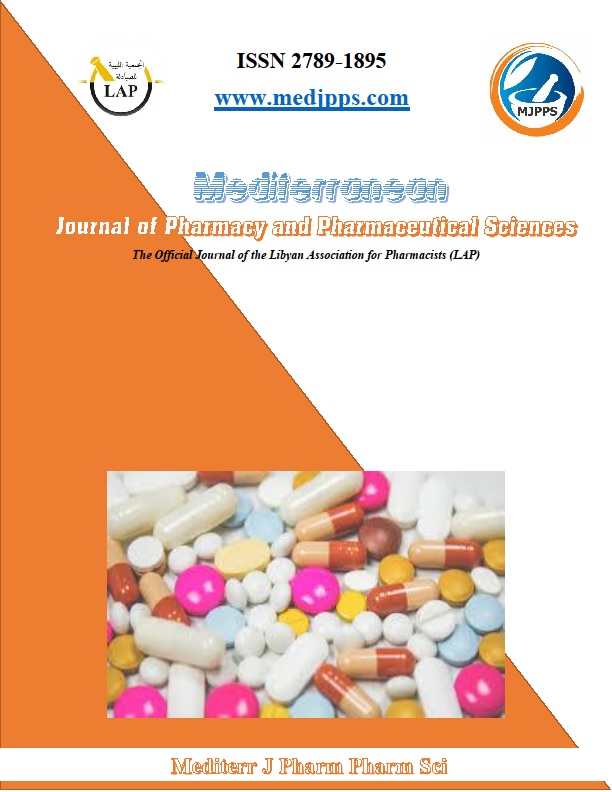 Mediterranean journal of pharmacy and pharmaceutical sciences
Assessing nutritional needs of oncology patients undergoing chemotherapy at bhagwan mahaveer cancer hospital & research centre, jaipur: development of an educational booklet
Background: Cancer is the word used for a tumor that spreads & destroys the host and is one of the leading causes of morbidity and mortality in developed and developing countries. Good nutrition is important for good health. Methods: Non-experimental descriptive research design was adopted for a study to assess knowledge on meeting nutritional needs among 100 oncology patients receiving chemotherapy at Bhagwan Mahaveer Cancer Hospital & Research Centre, Jaipur. Sample selection using a non-probability convenient sampling technique. Data were collected through a self-developed structured knowledge questionnaire. Results: Our results revealed that the majority of cancer patients, 43%, were in the age group of 31-40 years, 39% had no formal education, 32% had secondary education, and 17% had primary education. 76% were males, 24% were female, and 87% of participants did not have a family history of cancer. 55.23% of patients reported that nurses did counselling. The majority (67%) of respondents reported that they had previous information on meeting nutritional needs through diet counselling, and 33% reported they didn’t have any information about meeting nutritional needs. Most (45%) of cancer patients had poor knowledge, 26% had average knowledge, and 29% had good knowledge scoring. Conclusion:Conclusion:Conclusion:Conclusion:Conclusion:Conclusion:Conclusion:Conclusion:Conclusion:Conclusion:Conclusion: We concluded that results show most (45%) of oncology patients receiving chemotherapy had poor knowledge We concluded that results show most (45%) of oncology patients receiving chemotherapy had poor knowledge We concluded that results show most (45%) of oncology patients receiving chemotherapy had poor knowledge We concluded that results show most (45%) of oncology patients receiving chemotherapy had poor knowledge We concluded that results show most (45%) of oncology patients receiving chemotherapy had poor knowledge We concluded that results show most (45%) of oncology patients receiving chemotherapy had poor knowledge We concluded that results show most (45%) of oncology patients receiving chemotherapy had poor knowledge We concluded that results show most (45%) of oncology patients receiving chemotherapy had poor knowledge We concluded that results show most (45%) of oncology patients receiving chemotherapy had poor knowledge We concluded that results show most (45%) of oncology patients receiving chemotherapy had poor knowledge We concluded that results show most (45%) of oncology patients receiving chemotherapy had poor knowledge We concluded that results show most (45%) of oncology patients receiving chemotherapy had poor knowledge We concluded that results show most (45%) of oncology patients receiving chemotherapy had poor knowledge We concluded that results show most (45%) of oncology patients receiving chemotherapy had poor knowledge We concluded that results show most (45%) of oncology patients receiving chemotherapy had poor knowledge We concluded that results show most (45%) of oncology patients receiving chemotherapy had poor knowledge We concluded that results show most (45%) of oncology patients receiving chemotherapy had poor knowledge We concluded that results show most (45%) of oncology patients receiving chemotherapy had poor knowledge We concluded that results show most (45%) of oncology patients receiving chemotherapy had poor knowledge We concluded that results show most (45%) of oncology patients receiving chemotherapy had poor knowledge We concluded that results show most (45%) of oncology patients receiving chemotherapy had poor knowledge We concluded that results show most (45%) of oncology patients receiving chemotherapy had poor knowledge We concluded that results show most (45%) of oncology patients receiving chemotherapy had poor knowledge We concluded that results show most (45%) of oncology patients receiving chemotherapy had poor knowledge We concluded that results show most (45%) of oncology patients receiving chemotherapy had poor knowledge We concluded that results show most (45%) of oncology patients receiving chemotherapy had poor knowledge We concluded that results show most (45%) of oncology patients receiving chemotherapy had poor knowledge We concluded that results show most (45%) of oncology patients receiving chemotherapy had poor knowledge We concluded that results show most (45%) of oncology patients receiving chemotherapy had poor knowledge We concluded that results show most (45%) of oncology patients receiving chemotherapy had poor knowledge We concluded that results show most (45%) of oncology patients receiving chemotherapy had poor knowledge We concluded that results show most (45%) of oncology patients receiving chemotherapy had poor knowledge We concluded that results show most (45%) of oncology patients receiving chemotherapy had poor knowledge We concluded that results show most (45%) of oncology patients receiving chemotherapy had poor knowledge We concluded that results show most (45%) of oncology patients receiving chemotherapy had poor knowledge We concluded that results show most (45%) of oncology patients receiving chemotherapy had poor knowledge We concluded that results show most (45%) of oncology patients receiving chemotherapy had poor knowledge We concluded that results show most (45%) of oncology patients receiving chemotherapy had poor knowledge We concluded that results show most (45%) of oncology patients receiving chemotherapy had poor knowledge We concluded that results show most (45%) of oncology patients receiving chemotherapy had poor knowledge We concluded that results show most (45%) of oncology patients receiving chemotherapy had poor knowledge We concluded that results show most (45%) of oncology patients receiving chemotherapy had poor knowledge We concluded that results show most (45%) of oncology patients receiving chemotherapy had poor knowledge We concluded that results show most (45%) of oncology patients receiving chemotherapy had poor knowledge We concluded that results show most (45%) of oncology patients receiving chemotherapy had poor knowledge We concluded that results show most (45%) of oncology patients receiving chemotherapy had poor knowledge We concluded that results show most (45%) of oncology patients receiving chemotherapy had poor knowledge We concluded that results show most (45%) of oncology patients receiving chemotherapy had poor knowledge We concluded that results show most (45%) of oncology patients receiving chemotherapy had poor knowledge We concluded that results show most (45%) of oncology patients receiving chemotherapy had poor knowledge We concluded that results show most (45%) of oncology patients receiving chemotherapy had poor knowledge We concluded that results show most (45%) of oncology patients receiving chemotherapy had poor knowledge We concluded that results show most (45%) of oncology patients receiving chemotherapy had poor knowledge We concluded that results show most (45%) of oncology patients receiving chemotherapy had poor knowledge We concluded that results show most (45%) of oncology patients receiving chemotherapy had poor knowledge We concluded that results show most (45%) of oncology patients receiving chemotherapy had poor knowledge We concluded that results show most (45%) of oncology patients receiving chemotherapy had poor knowledge We concluded that results show most (45%) of oncology patients receiving chemotherapy had poor knowledge We concluded that results show most (45%) of oncology patients receiving chemotherapy had poor knowledge We concluded that results show most (45%) of oncology patients receiving chemotherapy had poor knowledge We concluded that results show most (45%) of oncology patients receiving chemotherapy had poor knowledge We concluded that results show most (45%) of oncology patients receiving chemotherapy had poor knowledge We concluded that results show most (45%) of oncology patients receiving chemotherapy had poor knowledge We concluded that results show most (45%) of oncology patients receiving chemotherapy had poor knowledge We concluded that results show most (45%) of oncology patients receiving chemotherapy had poor knowledge We concluded that results show most (45%) of oncology patients receiving chemotherapy had poor knowledge We concluded that results show most (45%) of oncology patients receiving chemotherapy had poor knowledge We concluded that results show most (45%) of oncology patients receiving chemotherapy had poor knowledge We concluded that results show most (45%) of oncology patients receiving chemotherapy had poor knowledge We concluded that results show most (45%) of oncology patients receiving chemotherapy had poor knowledge We concluded that results show most (45%) of oncology patients receiving chemotherapy had poor knowledge We concluded that results show most (45%) of oncology patients receiving chemotherapy had poor knowledge We concluded that results show most (45%) of oncology patients receiving chemotherapy had poor knowledge We concluded that results show most (45%) of oncology patients receiving chemotherapy had poor knowledge We concluded that results show most (45%) of oncology patients receiving chemotherapy had poor knowledge We concluded that results show most (45%) of oncology patients receiving chemotherapy had poor knowledge We concluded that results show most (45%) of oncology patients receiving chemotherapy had poor knowledge We concluded that results show most (45%) of oncology patients receiving chemotherapy had poor knowledge We concluded that results show most (45%) of oncology patients receiving chemotherapy had poor knowledge We concluded that results show most (45%) of oncology patients receiving chemotherapy had poor knowledge We concluded that results show most (45%) of oncology patients receiving chemotherapy had poor knowledge We concluded that results show most (45%) of oncology patients receiving chemotherapy had poor knowledge We concluded that results show most (45%) of oncology patients receiving chemotherapy had poor knowledge We concluded that results show most (45%) of oncology patients receiving chemotherapy had poor knowledge We concluded that results show most (45%) of oncology patients receiving chemotherapy had poor knowledge meeting nutritionmeeting nutrition meeting nutrition meeting nutrition meeting nutritionmeeting nutrition meeting nutrition meeting nutritionmeeting nutritionmeeting nutritionmeeting nutritionmeeting nutritional needs during chemotherapy. However, the researcher developed an information booklet, and he hopes that al needs during chemotherapy. However, the researcher developed an information booklet, and he hopes that al needs during chemotherapy. However, the researcher developed an information booklet, and he hopes that al needs during chemotherapy. However, the researcher developed an information booklet, and he hopes that al needs during chemotherapy. However, the researcher developed an information booklet, and he hopes that al needs during chemotherapy. However, the researcher developed an information booklet, and he hopes that al needs during chemotherapy. However, the researcher developed an information booklet, and he hopes that al needs during chemotherapy. However, the researcher developed an information booklet, and he hopes that al needs during chemotherapy. However, the researcher developed an information booklet, and he hopes that al needs during chemotherapy. However, the researcher developed an information booklet, and he hopes that al needs during chemotherapy. However, the researcher developed an information booklet, and he hopes that al needs during chemotherapy. However, the researcher developed an information booklet, and he hopes that al needs during chemotherapy. However, the researcher developed an information booklet, and he hopes that al needs during chemotherapy. However, the researcher developed an information booklet, and he hopes that al needs during chemotherapy. However, the researcher developed an information booklet, and he hopes that al needs during chemotherapy. However, the researcher developed an information booklet, and he hopes that al needs during chemotherapy. However, the researcher developed an information booklet, and he hopes that al needs during chemotherapy. However, the researcher developed an information booklet, and he hopes that al needs during chemotherapy. However, the researcher developed an information booklet, and he hopes that al needs during chemotherapy. However, the researcher developed an information booklet, and he hopes that al needs during chemotherapy. However, the researcher developed an information booklet, and he hopes that al needs during chemotherapy. However, the researcher developed an information booklet, and he hopes that al needs during chemotherapy. However, the researcher developed an information booklet, and he hopes that al needs during chemotherapy. However, the researcher developed an information booklet, and he hopes that al needs during chemotherapy. However, the researcher developed an information booklet, and he hopes that al needs during chemotherapy. However, the researcher developed an information booklet, and he hopes that al needs during chemotherapy. However, the researcher developed an information booklet, and he hopes that al needs during chemotherapy. However, the researcher developed an information booklet, and he hopes that al needs during chemotherapy. However, the researcher developed an information booklet, and he hopes that al needs during chemotherapy. However, the researcher developed an information booklet, and he hopes that al needs during chemotherapy. However, the researcher developed an information booklet, and he hopes that al needs during chemotherapy. However, the researcher developed an information booklet, and he hopes that al needs during chemotherapy. However, the researcher developed an information booklet, and he hopes that al needs during chemotherapy. However, the researcher developed an information booklet, and he hopes that al needs during chemotherapy. However, the researcher developed an information booklet, and he hopes that al needs during chemotherapy. However, the researcher developed an information booklet, and he hopes that al needs during chemotherapy. However, the researcher developed an information booklet, and he hopes that al needs during chemotherapy. However, the researcher developed an information booklet, and he hopes that al needs during chemotherapy. However, the researcher developed an information booklet, and he hopes that al needs during chemotherapy. However, the researcher developed an information booklet, and he hopes that al needs during chemotherapy. However, the researcher developed an information booklet, and he hopes that al needs during chemotherapy. However, the researcher developed an information booklet, and he hopes that al needs during chemotherapy. However, the researcher developed an information booklet, and he hopes that al needs during chemotherapy. However, the researcher developed an information booklet, and he hopes that al needs during chemotherapy. However, the researcher developed an information booklet, and he hopes that al needs during chemotherapy. However, the researcher developed an information booklet, and he hopes that al needs during chemotherapy. However, the researcher developed an information booklet, and he hopes that al needs during chemotherapy. However, the researcher developed an information booklet, and he hopes that al needs during chemotherapy. However, the researcher developed an information booklet, and he hopes that al needs during chemotherapy. However, the researcher developed an information booklet, and he hopes that al needs during chemotherapy. However, the researcher developed an information booklet, and he hopes that al needs during chemotherapy. However, the researcher developed an information booklet, and he hopes that al needs during chemotherapy. However, the researcher developed an information booklet, and he hopes that al needs during chemotherapy. However, the researcher developed an information booklet, and he hopes that al needs during chemotherapy. However, the researcher developed an information booklet, and he hopes that al needs during chemotherapy. However, the researcher developed an information booklet, and he hopes that al needs during chemotherapy. However, the researcher developed an information booklet, and he hopes that al needs during chemotherapy. However, the researcher developed an information booklet, and he hopes that al needs during chemotherapy. However, the researcher developed an information booklet, and he hopes that al needs during chemotherapy. However, the researcher developed an information booklet, and he hopes that al needs during chemotherapy. However, the researcher developed an information booklet, and he hopes that al needs during chemotherapy. However, the researcher developed an information booklet, and he hopes that al needs during chemotherapy. However, the researcher developed an information booklet, and he hopes that al needs during chemotherapy. However, the researcher developed an information booklet, and he hopes that al needs during chemotherapy. However, the researcher developed an information booklet, and he hopes that al needs during chemotherapy. However, the researcher developed an information booklet, and he hopes that al needs during chemotherapy. However, the researcher developed an information booklet, and he hopes that al needs during chemotherapy. However, the researcher developed an information booklet, and he hopes that al needs during chemotherapy. However, the researcher developed an information booklet, and he hopes that al needs during chemotherapy. However, the researcher developed an information booklet, and he hopes that al needs during chemotherapy. However, the researcher developed an information booklet, and he hopes that al needs during chemotherapy. However, the researcher developed an information booklet, and he hopes that al needs during chemotherapy. However, the researcher developed an information booklet, and he hopes that al needs during chemotherapy. However, the researcher developed an information booklet, and he hopes that the booklet will surely enhance oncology patient’s knowledge of meeting nutritional needs during chemotherapy the booklet will surely enhance oncology patient’s knowledge of meeting nutritional needs during chemotherapy the booklet will surely enhance oncology patient’s knowledge of meeting nutritional needs during chemotherapy the booklet will surely enhance oncology patient’s knowledge of meeting nutritional needs during chemotherapy the booklet will surely enhance oncology patient’s knowledge of meeting nutritional needs during chemotherapy the booklet will surely enhance oncology patient’s knowledge of meeting nutritional needs during chemotherapy the booklet will surely enhance oncology patient’s knowledge of meeting nutritional needs during chemotherapy the booklet will surely enhance oncology patient’s knowledge of meeting nutritional needs during chemotherapy the booklet will surely enhance oncology patient’s knowledge of meeting nutritional needs during chemotherapy the booklet will surely enhance oncology patient’s knowledge of meeting nutritional needs during chemotherapy the booklet will surely enhance oncology patient’s knowledge of meeting nutritional needs during chemotherapy the booklet will surely enhance oncology patient’s knowledge of meeting nutritional needs during chemotherapy the booklet will surely enhance oncology patient’s knowledge of meeting nutritional needs during chemotherapy the booklet will surely enhance oncology patient’s knowledge of meeting nutritional needs during chemotherapy the booklet will surely enhance oncology patient’s knowledge of meeting nutritional needs during chemotherapy the booklet will surely enhance oncology patient’s knowledge of meeting nutritional needs during chemotherapy the booklet will surely enhance oncology patient’s knowledge of meeting nutritional needs during chemotherapy the booklet will surely enhance oncology patient’s knowledge of meeting nutritional needs during chemotherapy the booklet will surely enhance oncology patient’s knowledge of meeting nutritional needs during chemotherapy the booklet will surely enhance oncology patient’s knowledge of meeting nutritional needs during chemotherapy the booklet will surely enhance oncology patient’s knowledge of meeting nutritional needs during chemotherapy the booklet will surely enhance oncology patient’s knowledge of meeting nutritional needs during chemotherapy the booklet will surely enhance oncology patient’s knowledge of meeting nutritional needs during chemotherapy the booklet will surely enhance oncology patient’s knowledge of meeting nutritional needs during chemotherapy the booklet will surely enhance oncology patient’s knowledge of meeting nutritional needs during chemotherapy the booklet will surely enhance oncology patient’s knowledge of meeting nutritional needs during chemotherapy the booklet will surely enhance oncology patient’s knowledge of meeting nutritional needs during chemotherapy the booklet will surely enhance oncology patient’s knowledge of meeting nutritional needs during chemotherapy the booklet will surely enhance oncology patient’s knowledge of meeting nutritional needs during chemotherapy the booklet will surely enhance oncology patient’s knowledge of meeting nutritional needs during chemotherapy the booklet will surely enhance oncology patient’s knowledge of meeting nutritional needs during chemotherapy the booklet will surely enhance oncology patient’s knowledge of meeting nutritional needs during chemotherapy the booklet will surely enhance oncology patient’s knowledge of meeting nutritional needs during chemotherapy the booklet will surely enhance oncology patient’s knowledge of meeting nutritional needs during chemotherapy the booklet will surely enhance oncology patient’s knowledge of meeting nutritional needs during chemotherapy the booklet will surely enhance oncology patient’s knowledge of meeting nutritional needs during chemotherapy the booklet will surely enhance oncology patient’s knowledge of meeting nutritional needs during chemotherapy the booklet will surely enhance oncology patient’s knowledge of meeting nutritional needs during chemotherapy the booklet will surely enhance oncology patient’s knowledge of meeting nutritional needs during chemotherapy the booklet will surely enhance oncology patient’s knowledge of meeting nutritional needs during chemotherapy the booklet will surely enhance oncology patient’s knowledge of meeting nutritional needs during chemotherapy the booklet will surely enhance oncology patient’s knowledge of meeting nutritional needs during chemotherapy the booklet will surely enhance oncology patient’s knowledge of meeting nutritional needs during chemotherapy the booklet will surely enhance oncology patient’s knowledge of meeting nutritional needs during chemotherapy the booklet will surely enhance oncology patient’s knowledge of meeting nutritional needs during chemotherapy the booklet will surely enhance oncology patient’s knowledge of meeting nutritional needs during chemotherapy the booklet will surely enhance oncology patient’s knowledge of meeting nutritional needs during chemotherapy the booklet will surely enhance oncology patient’s knowledge of meeting nutritional needs during chemotherapy the booklet will surely enhance oncology patient’s knowledge of meeting nutritional needs during chemotherapy the booklet will surely enhance oncology patient’s knowledge of meeting nutritional needs during chemotherapy the booklet will surely enhance oncology patient’s knowledge of meeting nutritional needs during chemotherapy the booklet will surely enhance oncology patient’s knowledge of meeting nutritional needs during chemotherapy the booklet will surely enhance oncology patient’s knowledge of meeting nutritional needs during chemotherapy the booklet will surely enhance oncology patient’s knowledge of meeting nutritional needs during chemotherapy the booklet will surely enhance oncology patient’s knowledge of meeting nutritional needs during chemotherapy the booklet will surely enhance oncology patient’s knowledge of meeting nutritional needs during chemotherapy the booklet will surely enhance oncology patient’s knowledge of meeting nutritional needs during chemotherapy the booklet will surely enhance oncology patient’s knowledge of meeting nutritional needs during chemotherapy the booklet will surely enhance oncology patient’s knowledge of meeting nutritional needs during chemotherapy the booklet will surely enhance oncology patient’s knowledge of meeting nutritional needs during chemotherapy the booklet will surely enhance oncology patient’s knowledge of meeting nutritional needs during chemotherapy the booklet will surely enhance oncology patient’s knowledge of meeting nutritional needs during chemotherapy the booklet will surely enhance oncology patient’s knowledge of meeting nutritional needs during chemotherapy the booklet will surely enhance oncology patient’s knowledge of meeting nutritional needs during chemotherapy the booklet will surely enhance oncology patient’s knowledge of meeting nutritional needs during chemotherapy the booklet will surely enhance oncology patient’s knowledge of meeting nutritional needs during chemotherapy the booklet will surely enhance oncology patient’s knowledge of meeting nutritional needs during chemotherapy the booklet will surely enhance oncology patient’s knowledge of meeting nutritional needs during chemotherapy the booklet will surely enhance oncology patient’s knowledge of meeting nutritional needs during chemotherapy the booklet will surely enhance oncology patient’s knowledge of meeting nutritional needs during chemotherapy the booklet will surely enhance oncology patient’s knowledge of meeting nutritional needs during chemotherapy the booklet will surely enhance oncology patient’s knowledge of meeting nutritional needs during chemotherapy the booklet will surely enhance oncology patient’s knowledge of meeting nutritional needs during chemotherapy the booklet will surely enhance oncology patient’s knowledge of meeting nutritional needs during chemotherapy the booklet will surely enhance oncology patient’s knowledge of meeting nutritional needs during chemotherapy the booklet will surely enhance oncology patient’s knowledge of meeting nutritional needs during chemotherapy the booklet will surely enhance oncology patient’s knowledge of meeting nutritional needs during chemotherapy the booklet will surely enhance oncology patient’s knowledge of meeting nutritional needs during chemotherapy the booklet will surely enhance oncology patient’s knowledge of meeting nutritional needs during chemotherapy the booklet will surely enhance oncology patient’s knowledge of meeting nutritional needs during chemotherapy the booklet will surely enhance oncology patient’s knowledge of meeting nutritional needs during chemotherapy .
 Dr k c yadav
Hematological and histological effect of fractionated neem leaf extract in healthy wistar rats
Introduction: In recent years, the growing research towards new drugs has been targeted on plant-based drugs, and Neem (Azadirachta indica) is one of the plants that have been extensively researched for its diverse medicinal properties. The study aimed to determine the effects of neem on the hematological parameters (total white blood cells, neutrophil, monocyte and eosinophil counts) and histology of some organs of rats. Methods: Fifteen healthy male Wister rats divided into control (Nm0) and experimental groups (Nm11 and Nm22). Control group 1 (Nm0) was given 100mg/200g body weight of normal saline orally twice daily; experimental group 2 (Nm11), 100mg/200g body weight neem extract twice daily for 11 days and experimental group 3 (Nm22), 100mg/200g neem leaf extract twice daily for 22 days. Total number of white blood cells (WBC), lymphocytes, neutrophils, monocytes and eosinophils, packed cell volumes (PCV) and histological changes in the spleen, liver and kidneys were evaluated. Results: There were no significant differences in mean values of the hematological parameters (total WBC; PCV; neutrophils, lymphocytes, monocytes and eosinophils). We observed the central vacuolation and accumulation of lymphocytes in the spleen, hypertrophy of the central vein in the liver and shrinking of the glomeruli and accumulation of the lymphocytes in the kidney using hematoxylin and eosin staining following prolonged administration of neem extract (Nm22). Conclusion: Prolonged administration of neem affected the histology of some organs of the rats more than the hematological parameters
The prevalence of and risk factors for stroke among type 2 diabetes mellitus patients in qatar: a hospital-based study
Background and Objectives: The complications of type 2 diabetes mellitus (T2DM) can occur in some organs, such as the heart, blood vessels, eyes, kidneys, and nerves. Stroke, one of such complications, is increasing every year. This study aims to investigate the prevalence of and risk factors for stroke among T2DM patients in Qatar. Methods: This was a secondary post hoc analysis of collected data from our previous study titled “Association of Vitamin D deficiency with dyslipidemia, glycemic control, and microalbuminuria in patients with T2DM in Qatar.” Results: The prevalence of stroke among our patients was 3.8%. A comparison between stroke and no-stroke groups showed a significant association between stroke and other diseases, namely, chronic kidney diseases (CKD) (p=0.007), coronary artery disease (CAD) (p=0.010), peripheral vascular disease (PVD) (p<0.001), retinopathy (p=0.044), prolonged duration of diabetes mellitus (DM) (p=0.041), glycated hemoglobin (HbA1c) (p=0.006), and a high serum creatinine level (p=0.003). In the multivariate analysis, we identified the following variables as independent risk factors for stroke in patients with T2DM: male gender, CKD, CAD, PVD, high HbA1c, a high creatinine level, and prolonged duration of DM. Conclusion: The prevalence of stroke among T2DM patients in Qatar was around 3.8%. The main risk factors were male gender, CKD, CAD, PVD, high HbA1c, prolonged duration of DM, and a high level of creatinine.
 Karishma
Most Popular Category
- Pharmacy (270)
- Education and social science (224)
- Pharmacology (223)
- Pharmacognosy (178)
- Business management (147)
- Pharmacology and toxicology (134)
- Education and training (131)
- Pharmaceutical sciences (130)
- Medicine (129)
- Research (123)
- Health Science (100)
- Biological Sciences (99)
- Management (98)
- Computer Science (94)
- Public health (91)
- Computer Science Applications (87)
- Human resource management (83)
- Engineering (80)
- Accounting and finance (73)
- Information technology (69)