Scientific benefits of yoga: a review
In the world of yoga there are ―Eight limbs path‖ which helps in different aspects like coordination of body and mind and helps to create positivity of mind and help the body healthy and fit by which the functioning of the body improves. In today‘s modern life various type of disease and deformity takes place most of the things takes place due to unbalanced food, & other. The mind is always wondering and being rebellious, never focusing on the moment. It is the mind job to think, it is relentlessly interpreting everything. That is seen, perceived and experienced and this pattern of habit goes through change to behavior and attitude. Many people who practice yoga do so to maintain their health and well-being, improve physical fitness, relieve stress, and enhance quality of life. In addition, they may be addressing specific health conditions, such as back pain, neck pain, arthritis, and anxiety. Basically yoga has been more effective than control and waitlist control conditions, although not always more effective than treatment comparison groups such as other forms of exercise. More randomized controlled studies are needed in which yoga is compared to active exercise groups. Having established the physical and mental health benefits of yoga makes it ethically questionable to assign participants to inactive control groups. Shorter sessions should be investigated for cost-effectiveness and for daily practice.
 Yatendra sharma
Hemophagocytic lymphohistiocytosis (hlh) associated with mixed malaria infection in a libyan infant: a rare case report
Hemophagocytic lymphohistiocytosis (HLH) is a distinct medical condition characterized by symptoms such as fever, hepatosplenomegaly, cytopenia, hypertriglyceridemia, hypofibrinogenemia, and the presence of hemophagocytosis in the bone marrow and other organs. HLH can be classified as either hereditary or secondary, linked to various infections, autoimmune disorders, or cancers. The occurrence of malaria-associated HLH in newborns is considered rare. This report details a case involving a newborn diagnosed with mixed-type malaria complicated by HLH. The diagnosis was delayed because of the rare occurrence of malaria infections in Libya, which the treating clinicians did not initially take into account. The patient received supportive care and antimalarial treatment, which yielded excellent results, and was subsequently discharged from the hospital.
 Karishma
Non-invasive cardiac output monitoring in brain trauma–induced takotsubo: a case report
To report a case of neurogenic stress cardiomyopathy post-trauma, managed using Non-Invasive Cardiac Output Monitor (NICOM)-guided conservative therapy. A middle-aged patient with traumatic subdural and subarachnoid hemorrhages developed hemodynamic instability. ECG showed QT prolongation; echocardiography revealed apical ballooning. We used NICOM which indicated low cardiac output (3.5 L/min). Fluids and inotropes were adjusted based on NICOM trends. The patient showed gradual hemodynamic and cardiac recovery. NICOM guided safe de-escalation of inotropes. Echocardiography normalized, and the patient was discharged. NICOM can be used for precise, non-invasive hemodynamic monitoring, aiding recovery in stress cardiomyopathy. Keywords: Traumatic brain injury, Takotsubo cardiomyopathy, Stress cardiomyopathy, Non-invasive cardiac output monitoring, Hemodynamic instability, Apical ballooning, Neurocritical care.
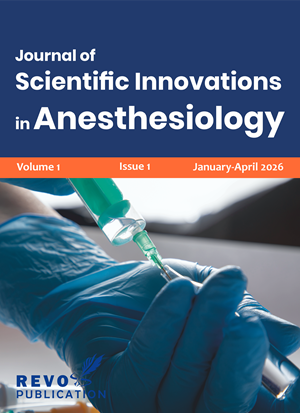 Journal of scientific innovations in anesthesiology
Uric acid and glucose metabolism in uncomplicated libyan diabetic patients
Uric acid has increasingly been associated with insulin resistance, hyperinsulinemia, and type 2 diabetes mellitus. Diabetic patients who are hyperuricemic have a risk of developing diabetic complications. Pathogenesis of uric acid may decrease nitric oxide bioavailability in vascular smooth muscle, endothelial cells and direct scavenging of nitric oxide by uric acid. A decrease in endothelial nitric oxide production by uric acid has also been associated with endothelial dysfunction and insulin resistance. This study aims is to determine the relationship between uric acid and glucose levels in patients with type 2 diabetes mellitus. The study included 161 Libyan patients (67 males and 94 females) diagnosed with type 2 diabetes mellitus. Both levels of serum uric acid and hemoglobin A1c (HbA1c) were determined. The patients were divided into two groups. The controllable diabetic group with HbA1c of less than 06.0% and the uncontrollable diabetic group with HbA1c of more than 06.0%. Patients who are suffering from type 2 diabetes mellitus without complications were included whereas patients with smoking, alcoholism, nephrotic disease, malignancy, hepatitis, and renal failure or kidney disease were excluded. The mean and standard deviation of uric acid, HbA1c and Pearson correlation coefficient test were considered. In the controllable diabetic group, serum uric acid mean was found to be 4.807 ± 1.39 and HbA1c was found to be 5.032 ± 1.39. In the uncontrollable diabetic group, serum uric acid was 4.897 ± 1.66 and HbA1c was 8.396 ± 1.65. Uric acid level has significantly been correlated with HBA1C in controlled and uncontrolled diabetic patients (p < 0.05). In addition, the uric acid level was found to be higher in uncontrolled diabetic group than that in the controlled group (p < 0.05). A possible relationship between serum uric acid and incidence of type 2 diabetes mellitus was noted. Thus, uric acid can be used as a potential biomarker to indicate impaired glucose metabolism.
 Mediterranean journal of pharmacy and pharmaceutical sciences
Evaluation of student’s perception and attitudes towards switching from in-class to online teaching in the era of covid-19
Worldwide, the focus on online learning during the era of the COVID-19 pandemic faced many challenges. The present study aimed to evaluate the preferences, perceptions, and attitudes of university students toward various strategies of learning. A pre-piloted cross-sectional survey was posted on the internet in Arabic and English language. Questions covered the demographical characteristics of the participants and their preferences and perceptions of various learning strategies. We received 270 questionnaires from various countries. The majority (n=199, 73.7%) of respondents were from the University of Sharjah, United Arab Emirates, with n=125 (46.3%) participants from the College of Pharmacy. The majority (n=198, 73.0%) of respondents were females, Arabs (n=262, 97.0%), living with their families (n=208, 77.0%), and with only the father working (n=174, 64.0%). Preference was, for online learning (n=145, 53.7%) as compared to in-class learning (n=119, 44.1%). More students (n=110, 40.7%) claimed improvement in their grades with online learning but 62 of students (23.0%) stated that their grades were worsened. Student’s performance in online exams was similar to that in paper exams. The majority (n=168, 62.2%) of students claimed that their overall expectations of online learning were not the same as those for in-class learning. 50.0%-60.0% of respondents believed that in-class learning allows them to learn more effectively, and achieve the best work preparation, best exam performance, and best education value, and they were more likely to recommend it. Despite the disadvantages of online learning, it remains the future strategy for higher education. Appropriate planning of courses, and helping students by reducing digital inequity, if any, would certainly prove satisfactory for the millennial generation of students
Mediterranean journal of pharmacy and pharmaceutical sciences
Network resource allocation security techniques and challenges for vehicular communication network management
Internet of things describes the network of physical objects such as sensors, receivers, transmitters and other technologies which are used in VCN. In Vehicular communication network two or more vehicles are communicate with each other. VCN use advanced technologies to solve transportation related problems like long traffic delays, road accidents and air pollution. IOT based technologies make vehicular network smart. In this chapter we reviewed about network resource allocation security techniques, challenges and also discuss how we can make vehicular communication network smarter. We reviewed about different models and schemes for V2V communication. These schemes were developed to ensure a fair, efficient and transparent allocation of resource in an intelligent transportation system.
 Vartika agarwal
Bio-fungicide potential of araucaria columnaris (cook pine) aqueous resin extract against major phytopathogens.
Use of chemical fungicide to control plant diseases causes several adverse effects such as, development of resistance in the pathogen, residual toxicity, pollution to the environment etc. So an alternative way to overcome the usage of dreadful chemicals is very important. The use of plant extracts as biofungicide is one of the popular and effective method. Araucaria columnaris is a commonly seen ornamental plant known as Christmas tree. It’s a South African species, under the family Araucariaceae. Hence, in the present study, the plant resin extract was tested in-vitro against major plant pathogensby preliminary bioassay. It was found that up to 95% reduction of mycelium growth was observed against major phytopathogens such as Fusarium oxysporyum, Rhizoctoniasp, Cylindrocladiumsp, Alternariasp, and Colletrotricum sp., causing tomato wilt, damping off, foliage blight, and leaf blight diseases in economically important plants. Up to our knowledge it is the first report showing the antifungal activity of Araucaria columnaris resin as antifungal agent. By using this valuable tree, further work will be done to formulate commercial biofungicide.
 Dr. saranya devi k
Comparative analysis of plant diversity with reference to chamundi hills, in mysore district of karnataka state
Comparative analysis of plant diversity with reference to Chamundi hills, in Mysore District of Karnataka State
 Veerabhadraswamy al
Peran guru dalam menanamkan karakter religius peserta didik melalui kegiatan ekstrakurikuler darus keliling (darling) di madrasah ibtidaiyah negeri 3 jember tahun 2019
Kegiatan keagamaan merupakan kegiatan yang amat penting di MI Negeri 3 Jember, mengingat masih banyak peserta didik yang membutuhkan bimbingan guru untuk memiliki karakter yang sesuai dengan tuntunan Islam, di zaman teknologi initidak bisa dipungkiri bahwa anak-anak zaman sekarang sudah mengenal yang namanya internet. Maka dari itu pendampingan orang tua dan guru sangat dibutuhkan dalam perkembangan anak-anaknya. Salah satu pendidikan yang diajarkan guru kepada peserta didiknya sejak dini adalah pengajaran tentang al-Qur’an.Oleh karena itu darus keliling (darling) merupakan kegiatan yang tepat dalam proses membelajarkan al-Qur’an dalam rangka menanamkan karakter religius kepada peserta didik. Fokus penelitian yang dikaji adalah: Bagaimana peran guru sebagai pembimbing dalam menanamkan karakter religius peserta didik melalui kegitan ekstrakurikuler darus keliling (darling) di MI Negeri 3 Jember tahun 2019? Penelitian ini memperoleh kesimpulan: Peran guru sebagai pembimbing dalam menanamkan karakter religius peserta didik melalui kegiatan ekstrakurikuler darus keliling di MI Negeri 3 Jember dalam hal ini adalah guru yang senantiasa membimbing anak-anak anggota darling untuk belajar al-Qur’an. Darling ini adalah sebuah wadah yang diberikan oleh guru untuk mengembangkan potensi peserta didik. Karakter religius pun terbentuk yakni sikap patuh dalam menjalankan agama Islam, misalnya membaca al-Qur’an. keliling di MI Negeri 3 Jember dalam hal ini menggunakan instrumen penilaian yang memiliki 3 aspekpenilaian yakni aktif, kurang aktif dan tidak aktif.
 Educare: journal of primary education
Trace elements in blood of leukemia patients
Trace elements are minerals present in living tissues in small amounts. Some of them are known to be nutritionally essential, others may be essential, and the remainder are considered to be nonessential. Trace elements such as zinc, copper, selenium, iron, chromium and, others are essential elements for growth and body health. They form an integral part of many enzymes and bioactive centers that are responsible for biochemical reactions such as metabolism, protein and, DNA synthesis. They are said to contribute to the development of cancer based on epidemiologic evidence. The blood level of trace elements in the human body is affected by cancer and drug treatment. The low trace elements level is a sign of leukemia patients, where cancer cells consume body nutrients and essential elements for growth. The Libyan patients were divided into four age groups and were either newly or old diagnosed with leukemia, including patients with acute leukocyte leukemia, acute myeloid leukemia, chronic myelogenous leukemia, and aplastic anemia. The samples were tested for direct aspiration onto inductively coupled plasma spectrometry at specific wave lengths. The findings showed the blood level of trace elements in leukemia patients is lower than in the healthy individuals. A negative correlation between copper and zinc levels in leukemia patients was found. The copper level increases in leukemia patients as they get older.
Mediterranean journal of pharmacy and pharmaceutical sciences
Integrating pharmaceutical care into public health
Nowadays, the pharmacy profession is moving toward a multidisciplinary approach. Besides the pharmacists’ role beyond dispensing and checking the safety, quality and efficacy of the delivered medications, pharmacists are currently using their clinical knowledge to serve the community through different disciplines including drug counseling, vaccination, screening, and drug therapy management
Mediterranean journal of pharmacy and pharmaceutical sciences
A comprehensive review on icchabhedi rasa – an herbo - mineral formulation
Rasa shastra is aPharmaco – therapeutic branch of Ayurved, incorporates many of the Herbo– mineral – metallic pharmaceutical preparations prepared out of the Parada namely KhalviyaRasayana, ParpatiRasayana, PottaliRasayanaandKupipakwaRasayana.Rasaushadhis are important for their uniqueness in Ayurvedic therapeutics due to lesser doses. KharaliyaRasayanais used in wide range for therapeutic utility and is easy for preparation. Icchabhedi Rasa is one such kharaliyaherbo-mineral formulation mentioned in various Ayurvedic text. Icchabhedi Rasa is a classical preparation commonly used for Virechana. Icchabhedi Rasa is described in various classical texts with some variation of ingredients. Jayapalais the chief ingredient of the preparation having Katu Rasa, UshnaVirya and KatuVipaka. It is well known for its strong purgative action. Though variation is observed in thedescription of these KharaliyaRasayana and compilation of these will help to study in comparative manner.AYU
Potential risk factors for mortality in patients with covid-19: a retrospective study
Although severe acute respiratory syndrome coronavirus 2 (SARS-CoV-2) infection caused more than five million deaths throughout the world and more than five thousand deaths in Libya, a little is known about the mortality rate and the risk factors for death from this serious infectious disease in Libya. Thus, it is aimed in this study to identify the potential risk factors for mortality from SARS-CoV-2 infections among 176 Libyan COVID-19 patients in Zawia city. This research is a retrospective cohort study that was conducted on 176 randomly selected volunteers who had been infected with SARS-CoV-2 during a period of December 2020 to February 2021 in Zawia city, Libya. Following filling the prepared validated questionnaire by COVID-19 patients, the data was analyzed to determine the previously mentioned risk factors. The mean age (SD) of the total 176 participated COVID-19 patients was 45.06 (± 17.7) and the mortality rate among these total involved cases (mild to severe cases) was 10.8%. It is found that the mortality among the severe COVID-19 cases was 41.3% and the mean age (SD) of COVID-19 deaths was 69.1 years (13.8) and 73.7% of them were 60 years old or older. In addition, it is found that 63.2% of the SARS-CoV-2 deaths were females and 78.9% of them had a positive history of chronic diseases. Moreover, it was found that the most common chronic diseases among COVID-19 deaths are diabetes mellitus and hypertension (73.3% and 53.3%, respectively). Collectively, it is concluded that COVID-19 elderly female patients aging 60 years or older with a positive history of chronic disease are more likely at high risk for death from SARS-CoV-2 infection among the participated COVID cases.
Mediterranean journal of pharmacy and pharmaceutical sciences
Association between oral health literacy, gingival health and oral hygiene among dental patients
Objective: To determine the association between oral health literacy, oral hygiene and gingival health status. Methods: This cross-sectional study was conducted among patients attending University of Benin Teaching Hospital, Benin City. Data were collected through interviewer-administered questionnaires. Index used in this study for estimating oral health literacy levels was Rapid Estimate of Adult Literacy in Dentistry- 30 (REALD-30). The participant’s oral hygiene status was assessed using the Simplified Oral Hygiene Index while gingival health was assessed using the Gingival Index. Results: Two hundred and eight participants with 130 (62.5%) males and 78 (37.5%) females formed the population of the study and their mean age was 28.32 ± 10.5 years. The prevalence of low oral health literacy was 86 (41.3%). The oral hygiene status of most of the participants 100 (48.1) was fair. The prevalence of gingivitis was 58.2%. Oral health literacy had significant statistical negative correlation with age, oral hygiene and gingival health status. Oral health literacy consistently emerged as a predictor of oral hygiene and gingival health status. Conclusion: Majority of the participants with low oral health literacy had fair/poor oral hygiene status (p = 0.000, OR= 17.870, 95% CI = 7.320-43.627) and gingivitis (p = 0.000, OR= 7.054, 95% CI = 3.514-14.164).
 Hope inegbenosun
Elevated co2 and temperature resetting the expression of resistance, pest incidence, geographical distribution and physiology in insect-pests of grain legumes
The most important factor that affects the crop production in terms of nutritional content of foliar plants is the global climate change. Herbivore’s growth, development, survival and geographical distribution all are determined by elevated CO2 and temperature. The interactions between herbivores and plants have changed due to increasing level of CO2 and temperature. The effect of high CO2 and temperature on grain legume plant which change in to plant physiology (e.g., nutritional content, foliage biomass) and how it change in herbivory metabolism rate and food consumption rate. Plant injury is determined by two factors viz. resistance and tolerance and both are influenced by greater CO2 and temperature. Legumes are an important source of food and feed in the form of proteins and also improve the soil environment. The repercussions of the abiotic factors mentioned above needs discussion among the scientific community. We may able to limit the negative repercussions of stated factors in future breeding projects by harnessing the practical favourable impacts and by including such influences of elevated CO2 and temperature on pulses productivity. The extensive research is necessary to overcome the negative effects of high CO2 and temperature on insect-plant interaction
 Dr. babu lal jat
. biological control of rhizobacteria against rice diseases caused by rhizoctonia solani (sheath blight) and sarocladium oryzae (sheath rot),
Sheath blight and Sheath rot of rice caused by Rhizoctonia solani and Sarocladium oryzae is an economically important disease causing rigorous yield losses. Biological control of the disease using plant growth promoting rhizobacteria (PGPR) is a potential substitute to the presently available chemical control methods. The present investigation was aimed to study the plant growth promoting (PGP) activity and antagonistic activity of two rhizobacteria Pseudomonas fluorescence and Rhizobium sp., isolated from rhizosphere area of rice, against two major rice pathogens. In the present work IAA (Indole acetic acid production) was found maximum amount in Pseudomonas fluorescence (30 mg / ml) and trace amount in Rhizobium sp. Maximum amount of Siderophore production was noticed in both isolates. Pseudomonas fluorescence showed positive result for the HCN production but Rhizobium sp., was found to be negative and both bacterial isolates solubilized phosphate in very effective manner. Both rhizobacteria were found to produce ammonia and catalase. The cross streak studies revealed that the complete inhibition of mycelia growth of Rhizotonia solani (85%) and partial inhibition of Sarocladium oryzae (45%) against two rhizobacteria. Antifungal compound extracted from both rhizobacteria were found to exhibit maximum antagonism against rice pathogens. This result concluded that both PGPR’s can be used as best bio-control agent against rice pathogens instead of hazards chemicals.
Prevalence of irritable bowel syndrome and its associated risk factors among university students of bangladesh
Background: Irritable bowel syndrome (IBS) is a very common gastrointestinal dis-order worldwide, but research regarding this disease is rare in Bangladesh. This studyaimed to assess the prevalence of IBS and its associated risk factors among universitystudents in Bangladesh.Methods: This is a cross-sectional study. A total of 300 randomly selected partici-pants were included in this study. By using a structured questionnaire and anthropo-metric methods, we collected all the required data for our study. The diagnosis of IBSwas based on Rome III criteria.Results: The overall prevalence of IBS was 39.3%, but the majority (77.3%) had nobasic awareness of IBS. In our study, anxiety and depression (χ2 = 6.817; odds ratio[OR] = 1.910; 95% confidence interval [CI] = 1.172, 3.113; P = 0.011) had a signif-icant relationship with IBS and IBS had a significant (P < 0.001) relationship withfood intolerance (χ2 = 8.737; OR = 2.130; 95% CI = 1.284, 3.531), chest pain(χ2 = 7.482; OR = 2.035; 95% CI = 1.218, 3.401), and insomnia (χ2 = 19.320;OR = 2.907; 95% CI = 1.794, 4.709). In our dietary data, the intake patterns of vege-tables (P = 0.000), fast food (P = 0.000), and tea–coffee (P = 0.003) showed astrong significant association with IBS. On the other hand, monthly household income(P = 0.154) and body mass index (BMI) (P = 0.138) showed no significant associa-tion with IBS. Among our study subjects, IBS-constipation (54.2%) was more com-mon than IBS-diarrhea (27.1%) and IBS-mixed (18.6%). Moreover, among the 118IBS respondents, 67.8% had a headache with increased flatulence (95.8%) as the mostcommon IBS-related complication.Conclusion: IBS is common in university students of Bangladesh and is associatedwith anxiety, depression, and particular dietary patterns.
 Arafat hassan razon
A study to assess the effectiveness of aerobic training on exercise tolerance and functional independence in patients with multiple sclerosis – a quasi experimental study
Multiple Sclerosis (MS) is a chronic neurological condition characterized by an interruption of action potentials in the brain and spinal cord due to areas of inflammation, demyelination and axonal degeneration. Most people with Multiple Sclerosis (PWMS) complain of physical activity limitations due to fatigue and reduced Exercise Tolerance that leads to reduction in Functional Independence. Till date, there is a limited published evidence of the efficacy of aerobic training on Exercise Tolerance and Functional Independence in individuals with Multiple Sclerosis, although some studies that incorporate aerobic training into rehabilitation programs report positive outcomes with no harmful effects. This was an effort to study the effect of aerobic training on exercise tolerance and functional independence in patients with Multiple Sclerosis. 12 Subjects were selected for the study on the basis of convenient Sampling method. Subjects who were independently mobile with Kurtzke Expanded Disability Status Scale (EDSS) score between 2 and 6.5 and medically stable were included for the study. The parameters of Exercise Tolerance and Functional Independence were assessed with six min walk test distance (6MWTD) and FIMTM+FAM respectively as Pre test measurement. All the subjects were given Aerobic training(AT) with Elliptical trainer and the intensity of the exercise was individualized according to their tolerance with initial stage incline of 0 (no incline) and a resistance of 1 (lowest possible resistance) was fixed. Training was done in a well ventilated training setup and subject was provided with cool water to minimize the effect of heat on activity. Subjects were monitored during the exercise training via heart rate monitor fixed to the machine; heart rate was taken every 3 minutes. The subjects were advised to perform the exercise in their own pace throughout training session for 30 min with breaks as many as they require. Progression of exercise intensity was achieved by increasing the resistance level of the Elliptical machine and/or by increasing the subject's steps per minute (stepping speed was controlled by the subject and not the elliptical machine).To ensure the progress of exercise protocol, the exercise intensity increased every 3 to 4 sessions. Totally 15 sessions were given in 6 weeks period. After 15 session of training Post test measurement for Exercise Tolerance and Functional Independence were taken. The Significance of the Pre test Post test difference were analyzed statistically using student paired “t‟ test . After 6 weeks (15 sessions) of Aerobic training with Elliptical trainer the subjects improved in Exercise Tolerance and level of Functional Independence as compared with the base line conditions. This was indicated by the changes in the Distance covered in 6 MWT and the FIMTM+ FAM score with P value <0.001. In all the subjects who were participated in this study showed greater improvement in the 6 Minute walk test distance and FIMTM+FAM scores. It implies that Aerobic training by Elliptical Trainer is effective for improving Exercise Tolerance and Functional Independence in PWMS.
Cardiorenal, renocardiac, and reno-cardiocardiac syndromes: an updated review on general definitions, pathophysiology, and therapies (part 1)
Background: Acute and chronic heart or kidney failure affect each other in cardiorenal syndromes (CRS). In CRS, hemodynamic and non-hemodynamic changes occur, causing acute or progressive renal and cardiac failures. CRS is classified into five types based on the first organ failure and causes failure of the other organ. We believe that the current CRS classification is not the correct one that effectively describes the underlying cause of CRS. Hence, we consider it better to be classified into three categories (cardiorenal, renocardiac, and cardio-reno-cardiac syndrome) and then subdivided into acute and chronic types or types 1 and 2 (respectively, according to the onset of the underlying type of failure (i.e., acute or chronic). Other subtypes that occur inthe heart and dysfunction occur simultaneously are acute cardio-reno-cardiac syndrome (type 5) and Chronic cardio-reno-cardiac syndrome (type 6). Aim: In Part 1 of the review series, the pathophysiological mechanisms and clinical and therapeutic applications of all types of CRS will be narratively discussed and updated. Furthermore, we provide a comprehensive review of diagnostic biomarkers and their clinical significance in the identification, outcome prediction, and treatment of all CRS types. Method: An extensive search of PubMed, Google, EMBASE, Scopus, and Google Scholar was conducted for review articles, original articles, and commentaries published between Jan 2010 and Aug 2024 using different phrases, texts, and keywords, such as CRS, renocardiac syndrome, and CRS. The topics included secondary CRS, CRS pathogenesis, CRS therapy, SLGT inhibitor use in CRS, novel therapy in CRS types, and prevention of CRSs. Conclusion: Renal and cardiac failure in patients with CRS seem to have different pathophysiological mechanisms. Early detection and treatment can improve the outcomes of CRS. Clinical manifestations and therapy protocols vary according to pathophysiology. Hence, new guidelines and research on universal diagnostic and treatment techniques are urgently required. Moreover, the current nomenclature for CRS is confusing; therefore, we believe that a new nomenclature system should be introduced, reducing confusion and making differentiation between CRS types easier and less confusing.
Visual merchandising and consumer impulse buying behavior: an empirical study of delhi & ncr
The current scenario of retailing is characterized by huge cut throat competition and almost undifferentiated merchandise on sales. Today retailers are utilizing visual merchandising to differentiate their offerings from others’ as well as to improve the visibility and desirability of products. Too many researches have been performed for defining and measuring the concept. The various factors which affect impulse buying have not been determined much. The purpose of this research is to examine the relationship between consumer impulse buying behaviors and visual merchandising. Efforts have also been employed to understand the visual merchandising technique that influences the consumers at most. This study also intends to provide information on why visual merchandising should be considered an important component of a strategic marketing plan in support of sales increase and positive store/company image.The finding of the current study reveals that there is a very strong association between consumer impulse buying behaviors and two types of visual merchandising practices: in-store form/mannequin display and promotional signage.This study also provides insights to retailers about types of visual merchandising that can influence consumers’ impulse buying behaviors
 Abu bashar
Most Popular Category
- Pharmacy (270)
- Education and social science (224)
- Pharmacology (223)
- Pharmacognosy (178)
- Business management (147)
- Pharmacology and toxicology (134)
- Education and training (131)
- Pharmaceutical sciences (130)
- Medicine (129)
- Research (123)
- Health Science (100)
- Biological Sciences (99)
- Management (98)
- Computer Science (94)
- Public health (91)
- Computer Science Applications (87)
- Human resource management (83)
- Engineering (79)
- Accounting and finance (73)
- Information technology (69)