A comparative study of nurses' knowledge and attitude towards impact of oral cancer on oral hygiene and nutritional status of patients with oral cancer in selected general and cancer hospital at mysore and bangalore with a view to develop self-instru
Background: Cancer is burden for almost all societies in the world. It is estimated that approximately 20 million persons are suffering with cancer and every year 10 million die due to cancer. Methods: A descriptive and comparative survey from January 2024 to June 2024 with a quantitative research approach was used. The non-probability convenient sampling technique was used, and 60 nurses (30 each from Cancer Hospital; and General Hospital) had given consent for participation in the study. The tools used for data collection were personal profile, structured knowledge questionnaire, modified Likert-type attitude scale, and opinionnaire for utility of SIM. Results: The study found that 83.35% of General Hospital and Cancer Hospital nurses had strong knowledge, while 10% and 6.66% had low knowledge. All nurses from both institutions have mildly positive to extremely positive thoughts about how oral cancer affects oral hygiene and nutrition. Mean knowledge scores of nurses from General and Cancer hospitals were 14.73 and 16.33, and mean attitude scores were 149.80 and 150.20. Cancer hospital nurses' expertise and attitude correlated significantly. The results show that 86.67% of nurses believe SIM is a valuable source of information and content to assist them better manage oral cancer patients' oral hygiene and nutrition. Conclusions: The study found that cancer hospital nurses had a higher mean knowledge score than general hospital nurses. Thus, knowledge and attitude are linked, and nurses with higher knowledge have a more positive attitude.
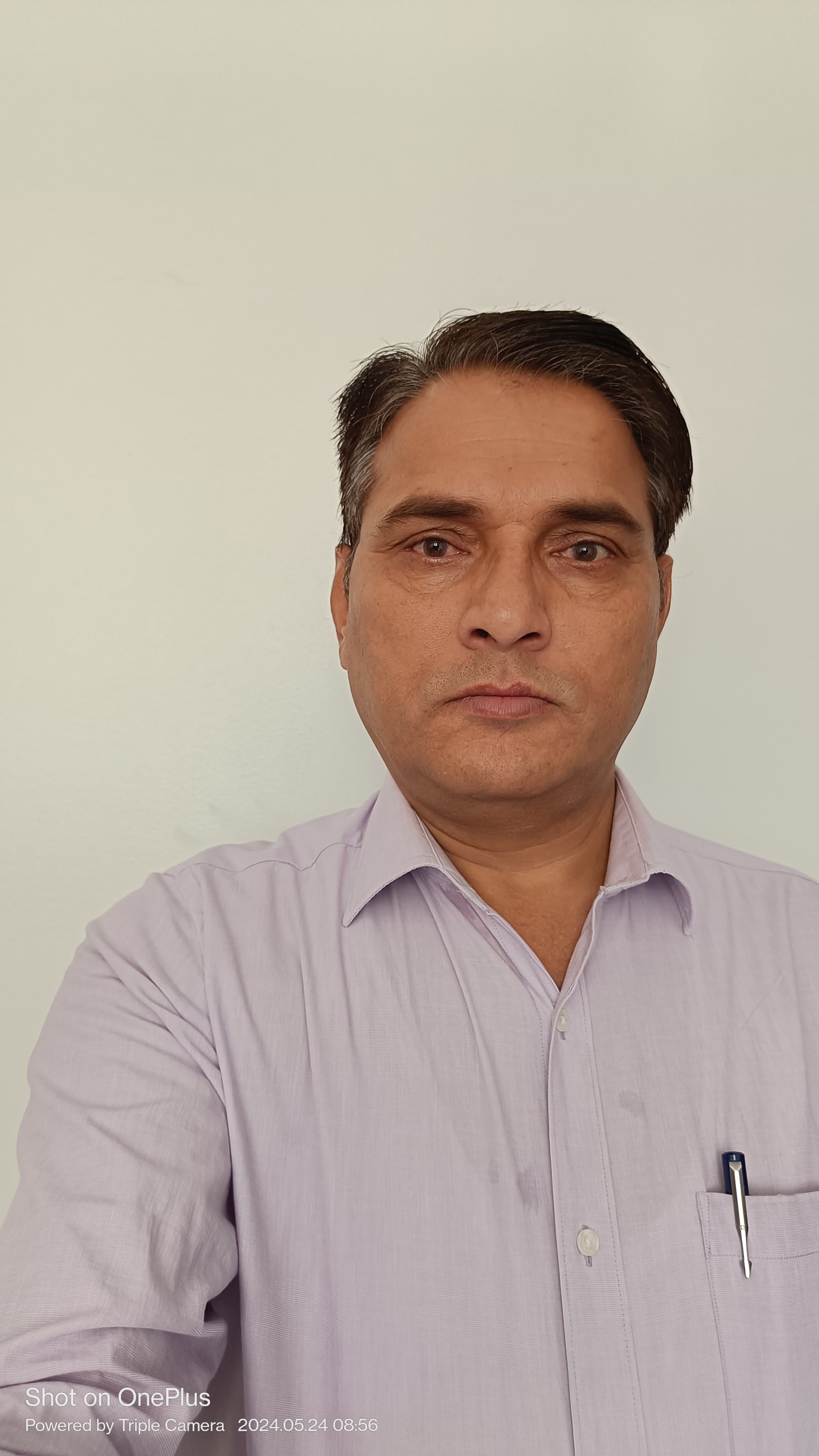 Dr k c yadav
Learning by doing: assessment of apprentices performances across partner institutions in metro manila
Apprenticeship is one way of learning by doing. The Student Apprenticeship Program (SAP) or Apprenticeship as referred to in this study is a curricular program of the Institute of Accounts, Business and Finance (IABF) of the Far Eastern University - Manila. It aims to enhance the preparation of the students for actual employment after college graduation. A study was conducted on the sixty-nine (69) Business Administration interns of a private university in Manila during the first semester of academic year 2017 - 2018. Performance Evaluation Forms were distributed to all the supervisors of host companies. Evaluation forms were personally monitored by the Apprentices Adviser which made it possible to collect a 100% response. A sort of quantitative analysis was used to analyze the information provided for in the evaluation forms. The purpose of this study is to assess the interns’ performances and skills as well as their strengths and weaknesses based upon the personal and direct observation by the supervisors of the various host companies. This study will also find the gap in the interns’ skills based upon the Institute expectation and observation by the supervisors. The study is limited to one time observation by supervisors of various host companies. This study is underpinned by sociocultural theory, cognitive apprentice theory, situated learning theory and the 21st Century Skills Framework.
 Dr. leonardo f. cada, jr.
Perspective on health care in india and libya: a short commentary
With a few years of teaching medical students and witnessing the status of medical education and health care delivery in Libya, for a decade or more, a reflection of what is happening in Libya, the country which has given respect and economic freedom to a teacher like me. The Republic of India, a South Asian country is the seventh largest nation by area, the second most populous country and the most populous democracy in the globe. One of the fundamental rights of the Indian constitution is the ‘Right to life’ which translates to “Right to Health”. India is a Federal country with 29 states and eight union territories [1]. Indian health care is taken care of by the States by organizing and delivering health care and the Central Government takes responsibility for international health treaties: medical education, prevention of food adulteration, quality control in drug manufacturing, national disease control and family planning. Indian health care under the public sector is provided free to people who are below the poverty line. Indian Public Health sector caters to 18.0% of total patient care and 44.0% of total in patient care. The total expenditure for health care is around 04.0% of the GDP and out-of-pocket expenses are around 69.0%. If it is calculated the cost of health care is around 1700 Indian rupees/capita/year [2]. It is true of Libya also. It has its national health a policy with free medical care and policy to cater to the needs of the Libyan people. With the civil unrest, and a transient locally elected government, Libya finds itself in very critical situation related to its economy and public services including public health. The hospitals built and their destruction because of the civil war lie in a very demanding conditions with poor supply chains and logistics to maintain the necessary demand and supply situation. The health care personnel physicians, nurses and public health workers are competent. They have to operate in a trying condition to save lives with limited healthcare facilities in the form of drug, medicine and medical equipment.
 Mediterranean journal of pharmacy and pharmaceutical sciences
Zootherapeutics (animal-based remedies) for urolithiasis: history, current scenario and future dimensions
Animals like plants are also medicinal agents for preventing and curing different health problems worldwide, practically in all human cultures. Zootherapy is ancient and has strong evidence of the medicinal use of animal resources. Different animal body parts and preparations are used in folk medicines. Zootherapy reveals that medical practitioners have always considered animals a source of surprising and numerous therapeutic effects. A high diversity of animals, their parts, and derivative products are used, and this is a heritage that could constitute a fundamental step in the discovery and isolation of natural extracts and new and low-cost alternative drugs from animals. About 12% of people worldwide are affected by different types of urolithiasis; the recurrence rate in females is 47-60%, and in males is 70-80%. According to WHO, 75% of the population relies on traditional medicines to prevent and cure diseases. Hence, there is a need to concentrate on all folk natural products effective in urolithiasis for their pharmacological evaluation and isolation of single drug molecules responsible for anti-urolithiasis activity to develop suitable formulations against urolithiasis.
 Dr. salman ahmed
Applying the third-party logistics concept to improve business profitability: a study of the manufacturing industry in the uk
This dissertation aimed to critically investigate how UK manufacturing companies can employ 3PL services to enhance business profitability. A simple, cross-sectional sequential mixed methods research methodology was implemented with the qualitative phase being used to explain the findings of the quantitative phase, which was performed first. Data for the quantitative period were collected using an online questionnaire that was designed and administered through a Google survey (N= 416). At the same time, semi-structured interviews were performed via Zoom calls with senior executives and managers of UK manufacturing firms (N= 5). Descriptive statistics, a one-sample t-test, and stepwise regression were used for quantitative data analysis using SPSS while manual analysis of interview data was performed in Microsoft Excel. The results showed that transportation and fleet management were the services that UK manufacturing companies outsourced to the most significant extent while clearing and forward and inventory management were the services that were outsourced to the lowest degree. The reasons behind this trend included the level of risk involved in outsourcing a particular service, availability of 3PL providers offering the outsourcing service, and the cost involved. In terms of feasibility, all items were scored highly, although increased operational flexibility and significant reduction of operational costs ranked highest. Finally, the stepwise regression test revealed four statistically significant models with an overall prediction power of 20.1% on business profitability. The statistically significant predictor variables were a reduction of operational costs, increased operational flexibility, reduced fixed asset costs, and the gaining of external resources from 3PL service providers.
 Mohamed sorogy
Efficacy of vilanterol-fluticasone furoate versus formoterol-budesonide combination therapy in stable asthma
The present study evaluates the efficacy of Vilanterol-Fluticasone Furoate (VI-FF) versus Formoterol-Budesonide (FM-BD) combination therapy in stable asthma. Both regimens led to significant improvements in asthma control, as evidenced by marked increases in FEV1 (% predicted) and ACT scores over time. The demographic characteristics, baseline respiratory symptoms, and treatment outcomes were similar between the groups, indicating that both strategies were equally effective for managing asthma. The findings indicate that both VI-FF once daily and FM-BD twice daily therapies enhance lung function and asthma control. Significant improvements in FEV1 (% predicted) and ACT scores were observed in both groups, as confirmed by intention-to-treat (ITT) and perprotocol (PPA) analyses. The equivalent efficacy of VI-FF and FM-BD, combined with the convenience of once-daily dosing, suggests that VI-FF may be preferable for patients who struggle with a twice-daily regimen. These findings highlight VI-FF as a convenient and reliable treatment, particularly can benefit patients with adherence challenges. In conclusion, our study's findings align well with other studies regarding demographic characteristics, baseline symptoms, exacerbation history, hospitalization history, and spirometry results. This consistency reinforces the validity and reliability of our results, suggesting that both VI-FF and FM-BD are effective options for stable asthma. The comparable efficacy supports flexibility in treatment choices, allowing for personalized asthma management. Future research should explore the long-term benefits and adherence patterns associated with these treatments to further optimize asthma management.
Optimum decimation and filtering for reconfigurable sigma delta adc
The Sigma Delta Analog to Digital Converter (SD-ADC) with passive analog components is presented. The digital blocks required for creating the samples with required sample rate and word length from the 1 bit ADC output are presented. The digital filters are initially modeled in MATLAB Simulink and validated in frequency domain. Further they are synthesized to Xilinx Spartan-6 FPGA technology. The synthesis results report clock speeds up to 300MHz. The simulation results are used to validate the principle and verify the performance of SD-ADC. The results demonstrate a promising technology area of realizing SD-ADC as a reconfigurable block on FPGA to meet several signal processing applications with sampling rates up to few hundreds of KHz
Development and evaluation of muco-adhesive buccal films containing metronidazole for the treatment of periodontal diseases
Gingivitis, a reversible inflammation of the gums leads to an advancement to periodontitis, a more severe and often irreversible stage characterized by the destruction of connective tissue and bone, potentially leading to tooth loss. This study was designed to develop and evaluate muco-adhesive buccal films containing metronidazole for localized treatment of periodontal disease, aiming to reduce systemic side effects and improve therapeutic efficacy. Thin films were prepared using chitosan as the primary polymer, combined with various copolymers (HPMC, MC, EC, PVP, HPC, and Carbopol) via the solvent casting technique. Thirteen formulations (F1-F13) were investigated for their ability to control the in vitro drug release, surface pH, folding endurance, drug content uniformity, and muco-adhesion, in addition to studying drug release kinetics. Formulations F12 (60.0% HPMC, 20.0% chitosan) and F13 (20.0% HPMC, 60.0% chitosan) showed optimal surface pH (≈6.7-7.0) with high muco-adhesion characteristics (49-51 Mn/m). Sustaining or expediting the drug release rate was manipulated by tailoring the polymer composition within the studied formulations. Examining drug release data has shown that the release kinetics followed the Korsmeyer-Peppas model, indicating diffusion and polymer relaxation mechanisms. The study demonstrates that polymer selection, in addition to the chosen ratio allows customization of release kinetics, Formulation F9 (20.0% HPC, 60.0% Chitosan) was proven to have the ability to provide the most sustained release characteristics. These findings support the potential of chitosan-based muco-adhesive films as effective localized delivery systems for metronidazole in periodontal therapy.
Mediterranean journal of pharmacy and pharmaceutical sciences
E-resources utilisation pattern among the faculty of kempegowda institute of medical sciences, bangalore: a study
This paper examines the utilisation pattern of e-resources by faculty of the Kempegowda Institute of Medical Sciences (KIMS) Bangalore. The purpose of the study is to understand the utilisation pattern of E-resources and frequency of access to the internet by the faculty members of KIMS. The faculty members of health science universities and/or medical colleges are engaged in teaching, research, and their information needs and expectations are diverse and varied. Realising the importance and usefulness of the E-resources, most of the colleges in India and elsewhere generously invested in procuring and create access to eresources to support information needs, teaching, learning, and research studies. The paper highlights the usage of different types of e-resources in health sciences, and also the application of web browsers and search engines in this context by the faculty members of KIMS. The levels of satisfaction among faculty members of KIMS towards the E-resources and barriers in using E-resources have been identified in this study.
Enhancing the art of conducting medical ward rounds: addressing deficiencies and achieving excellence
Background: Ward rounds are a cornerstone of inpatient care, critical to patient management, interdisciplinary communication, and bedside teaching. However, despite their importance, ward rounds are often unstructured and inconsistent, limiting both clinical efficiency and educational impact. Objective: This narrative review examines common deficiencies in current ward round practices and proposes a structured, evidence-informed framework to enhance their effectiveness. Methods: A narrative review was conducted to identify deficiencies in ward round practices and develop a practical, evidence-informed framework for improvement. Given the focus on conceptual and experiential insights, a formal quality appraisal of the included studies was not performed. Results: The review identified recurrent challenges, including poor planning, unclear leadership, inadequate time management, and a lack of integrated teaching. Drawing on best practices, a three-phase model—preparation, execution, and education—is proposed to enhance team communication, patient involvement, and trainee learning. Conclusions: Structured, goal-oriented ward rounds can significantly improve care coordination, safety, and clinical education. Institutions should prioritize standardized ward round models supported by training in leadership, teaching, and interdisciplinary collaboration.
 Karishma
Psychological impact of covid-19 pandemic on medical students: an online cross-sectional study
COVID-19 pandemic has spread all over the world and has caused psychological impacts. Medical students are known to be vulnerable population, experiencing higher levels of anxiety, depression and other psychological disorders compared to non-medical students. The nature of life changes like what happened and still happening during the pandemic have its impact on mental health of the students. The aim of this study was to identify the psychological impacts of COVID-19 on medical students among different universities to develop profiles to characterize students' anticipated levels of psychological impacts during the pandemic. Also, to search for potential risk factors that could make students more likely to experience these impacts. An online survey was filled by medical students (n = 100) at faculties of medicine, dentistry, pharmacy and medical sciences of different universities: University of Benghazi, Libyan International Medical University, Omar Almokhtar University, Cairo University and Alexandria University. The students were taken to the further analysis. Thus, 55% of the participants had psychological impacts due to the pandemic and 17% had severe effect. Some of these impacts were actually positive as a large number (58%) of the participants felt relaxed during the pandemic. Multiple stressors were identified that contributed to the increased levels of stress, anxiety and depression. These included concern about academic performance (80%), concern about self/dear-one’s health (90%), difficulty with concentration (46%), disruption to sleeping patterns (78%), increased social isolation (26%), disruption to eating patterns (48%), changing in the living environment (26%), financial difficulties (34%) increased class workload (20%) depressive thoughts (37%) and suicidal thoughts (07%). In conclusion, the study indicates that COVID-19 pandemic have positive and negative impacts on medical students. Thus, it is suggested that measures need to alleviate students’ stress, which might have harmful effects in different aspects.
Mediterranean journal of pharmacy and pharmaceutical sciences
Learner preference for different modes of learning
E-learning is the latest buzz word since the spread of Information Technology (IT). In a Country like India, a lot of jobs are being generated through IT. E-learning has contributed to this learning curve of the candidates. The students are still more familiar with the traditional mode of teaching which offline mode. Some have accepted both. The reach of online mode of learning needs to be assessed. This paper tries to find the learning preference of students in Kerala. Also certain factors that contribute to the preference of online learning has also been identified. Covid-19 has impacted the education sector in a big way. As we look into the future, the relevance of online learning has increased but the offline mode which was the traditional mode of learning and teaching, has not lost its place among this Information Technology era
How to grow urinary stone and gouty crystals on glass slide: exploring morphologies, disease insights, and herbal inhibition strategies
Urolithiasis, the process of urinary stone formation, entails the presence of compact masses like whewellite, brushite, and urate within the urinary system. Gout, characterized by inflammatory arthritis, emerges from the accumulation of urate (MSUM) crystals. In vitro, examinations focusing on the growth of whewellite (COM), brushite (CHPD), and urate (MSUM) crystals on glass slides present a cost-effective approach for gaining valuable insights into urolithiasis and gout. These studies not only delve into crystal growth patterns but also investigate the potential inhibition of crystal growth through the application of plant infusions, thereby laying the foundation for further extensive research in these domains.
Covid-19 in yemen: the present situation and the future plan to overcome the crisis
Since the WHO declared COVID-19 a pandemic on March 11, 2020, all countries worldwide have taken precautions to combat this pandemic, except for Yemen. The civil war and resulting humanitarian crises have diverted the attention of the Yemeni people and authorities away from COVID-19, potentially leading to the escalation of the pandemic. Following the initial denial, the internationally recognized government and the de facto authority of the Houthis acknowledged the first COVID-19 cases on March 11, 2020 and May 13, 2020, respectively. With only half of the Yemeni hospitals and medical facilities being fully operational, the authorities and humanitarian groups are working together to end the crisis. Due to paucity of information on the real number of cases in the country attributed to various reasons, no one can predict the future in this country, which will be most likely worse unless the civil war stops, and the humanitarian groups with the authorities need to work hard to strengthen the health system to prepare it for the current and all upcoming health crisis and pandemics.
Primary hydatid cyst of the small intestine masquerading as intestinalhydatid cyst
Hydatid disease or hydatidosis is a worldwide zoonosis disease caused by the tapeworm of Echinococcus granulosus and still widely endemic in Tunisia especially in rural areas where the sheep-dog cycle is dominant. It is an important public health problem in the pediatric age group causing significant morbidity and mortality. We report a case of primary hydatid cyst of the small intestine in a child and we want to highlight the difficulty that we meet in the diagnosis despite the contribution of imaging.
 Sameh
Sameh
The russian crisis communication response beyond mh17 tragedy
Effective crisis communication response through using the proper strategies is critical to cope with crises and to protect the reputation and existence of the involved parties. Usually, aviation accidents receive great attention from the media and the public. Malaysia Airlines Flight 17 (MH17) which was shot down over eastern Ukraine on 17 July 2014 during its scheduled flight from Amsterdam to Kuala Lumpur received global attention. This attention was due to the involvement of several countries either at the level of the countries of victims or the countries accused of the attack. Image repair theory proposed by William Benoit, the widely used in crisis communication response was implemented in this study. The Russian response to the international accusation, especially from the Western world on supporting the attackers of MH17 has been examined in this study. This study implemented both quantitative and qualitative content analysis to achieve its aims. A total of 306 news stories from the online New Straits Times newspaper Website from the years 2014 to 2019 were analysed. A total of 191 strategies were included in 123 news stories since some stories combined more than a strategy. Out of 191 strategies, 43.5% were simple denial, followed by shift the blame and attack accuser with 35.1% and 21.5% respectively. The results revealed that the image repair effort by Russia was effective and successful.
 Mohammed fadel arandas
Characterizations of the active ingredients of methanol extract of weaver ant and its analgesic activity in mice
Pain according to WHO has been one of the greatest issues to plague man, in the bid to handle this issue of pain, man has sought to look for other means to reduce pain to its bare minimum. This study is aimed at investigating the analgesic activity of the methanolic extract of the African weaver ant using acetic acid-induced writhing, hot plate method, and formalin-induced pain models in Swiss mice. In the acetic acid test, the methanolic extract of Oecophylla longinoda (OL) was administered orally at 200 and 400 mg/kg body weight while aspirin was administered at 100 mg/kg and tween 80 served as standards. In the hot plate and formalin models, the extract was administered orally at two doses of 200 and 400 mg/kg while pentazocine at 10 mg/kg and tween 80 at 10 mg/kg served as standards. The methanolic extract of OL exhibited significant analgesic activity in all the models, with none less than the standard significant difference (p < 0.05) by increasing the reaction time of the mice after treatment in comparison to the control. The 400 mg/kg extract in the acetic acid-induced writhing response has a percentage inhibition of 52.7%, which shows how well the extract inhibits pain in mice. The methanolic extract significantly reduced pain response in mice, with a p-value of 0.03, 0.02, and 0.001 in all the test models, respectively. OL increased the pain threshold over time and significantly reduced the writhing response that mice experience from acetic acid. Furthermore, pretreatment with OL significantly and dose-dependently decreased the early and late phases of formalin-induced pain in mice. Thus, these findings suggest that the methanolic extract of OL acts on central and peripheral pain pathways.
Mediterranean journal of pharmacy and pharmaceutical sciences
Etnomatematika pada candi selogending di desa kandangan sebagai sumber belajar matematika kelas iv sekolah dasar
Innovations to enrich mathematics learning resources can be expressed in the form of culture-based or ethnomatematic learning. The purpose of this study was to analyze the ethnomatematic content of Selogending Temple in Kandangan as mathematics teaching material for grade 4 elementary school students. This type of research uses qualitative research. Sources of research data are Selogending Temple and resource persons related to the Selogending Temple site. This study uses data collection methods in the form of observation, interviews, and documentation. Qualitative data analysis techniques used are reduction and data exposure, and drawing conclusions. Based on the results of the study, it can be concluded that there are mathematical elements in Selogending Temple including plane geometry, spatial geometry and reflection. The Selogending Temple building which has ethnomatic content is the Entrance Gate, Mbah Tejo Kusumo Petilasan, Mbah Pukulun Petilasan, Patrapan Hall, shrine, Padma, Wadung Prabu, Linggasiwa, and Mbah Raden Selogending Petilasan. Inovasi untuk memperkaya sumber belajar matematika dapat dituangkan dalam bentuk pembelajaran berbasis kebudayaan atau etnomatematika. Tujuan penelitian ini adalah menganalisis muatan etnomatematika pada Candi Selogending di Kandangan, Kabupaten Lumajang, Provinsi Jawa Timur sebagai bahan ajar matematika kelas 4 SD. Jenis penelitian ini menggunakan penelitian kualitatif. Sumber data penelitian adalah Candi Selogending dan narasumber terkait situs Candi Selogending. Penelitian ini menggunakan metode pengumpulan data berupa observasi, wawancara, dan dokumentasi. Teknik analisis data kualitatif yang digunakan yaitu reduksi dan pemaparan data, serta penarikan kesimpulan. Berdasarkan hasil penelitian dapat disimpulkan bahwa terdapat unsur matematika pada Candi Selogending meliputi bangun geometri bidang, geometri ruang dan pencerminan. Bangunan Candi Selogending memiliki yang memiliki muatan etnomatematika adalah Gapura Pintu Masuk, Petilasan Mbah Tejo Kusumo, Petilasan Mbah Pukulun, Balai Patrapan, tempat pemujaan, Padma, Wadung Prabu, Linggasiwa, dan Petilasan Mbah Raden Selogending.
 Educare: journal of primary education
Relationship of liquidity and solvency in profitability of ultratech and shree cements in india
The main purpose of this research is to know the relationship of liquidity and solvency in profitability of Ultra tech and Shree cements. Cement industry is one of the prime support services in giving work to the general population. In Ultra Tech Cement, return on equity is positively correlated with return on asset, current ratio and quick ratio and negatively correlated with debt equity ratio. In Shree Cements, return on equity is positively correlated with the independent variables. return on asset is negative weak relation with the independent variables. Current ratio is strong correlation with quick ratio and debt equity ratio
 Dr. jeyalakshmi p
Comparison of branded and non-branded food samples widely consumed in north india with reference to trans fatty acid content
Trans fatty acids (TFA) are the geometrical isomers of monounsaturated and polyunsaturated fatty acids that affect the functional and physicochemical properties of these fatty acids, which in turn affect their metabolism in humans. Since the database available for trans fatty acids in food from India is scarce, the research report generates data about trans fatty acid content in selected foods popular in north India. In this report, various food samples like cookies, chocolates, biscuits, pizza, fries, indigenous snacks like samosa, pakora and indigenous sweets like jalebi, gulab jamun, and laddoo were analyzed for the Trans Fatty Acid (TFA) content by gas chromatography. A large variation was found in trans fatty acid content among these food samples. The results also showed that only 4.5% of the samples were found to contain TFA less than 0.5% while approximately 8% of samples having more than 5% TFA (1 branded and 6 non-branded samples). Also, a large variation was found in the trans fatty acid content of branded and non-branded food samples with the mean value of TFA in branded and non-branded food groups as 1.781 and 6.125 respectively and the t-value of 0.852 between the two groups. When regulations are emphasizing on labelling the TFA content on the product, there are arrays of unlabelled products which are not governed under any regulations. Hence there is a need for strong food regulations to bring levels of trans fats in processed foods to negligible levels.
 Shalini purwar
Most Popular Category
- Pharmacy (270)
- Education and social science (224)
- Pharmacology (223)
- Pharmacognosy (178)
- Business management (147)
- Pharmacology and toxicology (134)
- Education and training (131)
- Pharmaceutical sciences (130)
- Medicine (129)
- Research (123)
- Health Science (100)
- Biological Sciences (99)
- Management (98)
- Computer Science (94)
- Public health (91)
- Computer Science Applications (87)
- Human resource management (83)
- Engineering (79)
- Accounting and finance (73)
- Information technology (69)