Uric acid and glucose metabolism in uncomplicated libyan diabetic patients
Uric acid has increasingly been associated with insulin resistance, hyperinsulinemia, and type 2 diabetes mellitus. Diabetic patients who are hyperuricemic have a risk of developing diabetic complications. Pathogenesis of uric acid may decrease nitric oxide bioavailability in vascular smooth muscle, endothelial cells and direct scavenging of nitric oxide by uric acid. A decrease in endothelial nitric oxide production by uric acid has also been associated with endothelial dysfunction and insulin resistance. This study aims is to determine the relationship between uric acid and glucose levels in patients with type 2 diabetes mellitus. The study included 161 Libyan patients (67 males and 94 females) diagnosed with type 2 diabetes mellitus. Both levels of serum uric acid and hemoglobin A1c (HbA1c) were determined. The patients were divided into two groups. The controllable diabetic group with HbA1c of less than 06.0% and the uncontrollable diabetic group with HbA1c of more than 06.0%. Patients who are suffering from type 2 diabetes mellitus without complications were included whereas patients with smoking, alcoholism, nephrotic disease, malignancy, hepatitis, and renal failure or kidney disease were excluded. The mean and standard deviation of uric acid, HbA1c and Pearson correlation coefficient test were considered. In the controllable diabetic group, serum uric acid mean was found to be 4.807 ± 1.39 and HbA1c was found to be 5.032 ± 1.39. In the uncontrollable diabetic group, serum uric acid was 4.897 ± 1.66 and HbA1c was 8.396 ± 1.65. Uric acid level has significantly been correlated with HBA1C in controlled and uncontrolled diabetic patients (p < 0.05). In addition, the uric acid level was found to be higher in uncontrolled diabetic group than that in the controlled group (p < 0.05). A possible relationship between serum uric acid and incidence of type 2 diabetes mellitus was noted. Thus, uric acid can be used as a potential biomarker to indicate impaired glucose metabolism.
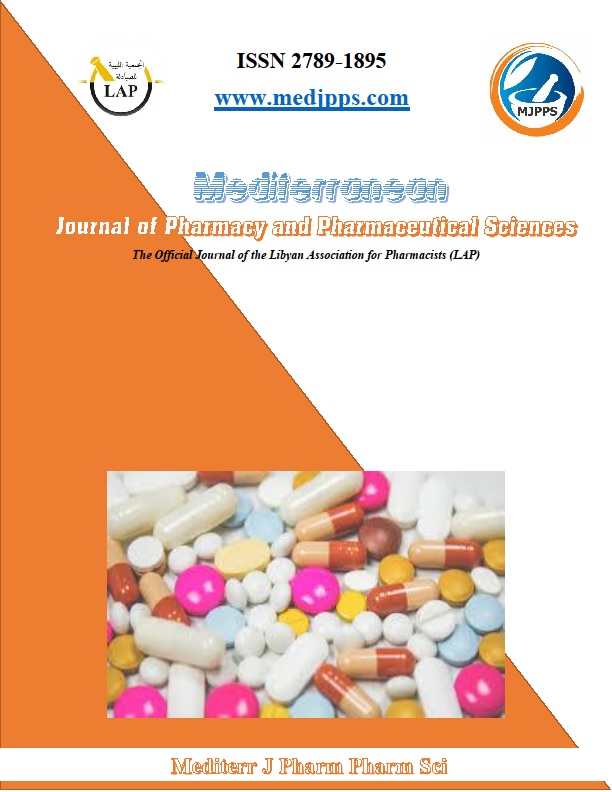 Mediterranean journal of pharmacy and pharmaceutical sciences
Health education on posture practices towards reduction of low back pain among patients
This study investigated the effect of health education on posture practices in reducing low back pain among patients in Rivers state, Nigeria. To achieve this, pretest-posttest quasi-experimental design was employed, and the study targeted 170 patients at the University of Port Harcourt Teaching Hospital in Nigeria. Two objectives having corresponding research questions and hypotheses guided the study, while convenience and stratified sampling techniques were used to select 50 participants, comprising 35 patients from the general outpatient clinic department and 15 patients from the spine physiotherapy unit, with 20 male and 30 female participants. Data collection was done by administering a self-structured, self-administered questionnaire, titled health education effect on ergonomic practices and low back pain, which had a reliability coefficient of 0.75. Both descriptive and inferential statistics were used to answer the research questions and test the hypotheses. The research found that educating patients on various methods of preventing low back pain, including healthy weight maintenance, warm-up exercises, and proper postural habits while sitting and standing, had a noteworthy impact on reducing pain. Moreover, the study also revealed that health education programmes were successful in therapeutic posture practices and reducing low back pain in patients residing in Rivers state. Therefore, the study concluded and recommended that health education interventions for functional and therapeutic posture practices are effective strategies for reducing low back pain among patients in Rivers state, and healthcare providers should incorporate these interventions into their treatment plans for patients suffering from low back pain.
 Fxintegrity publishing
Synthesis of pyrazole compounds by using sonication method
A simple method for the synthesis of pyrazoles derivatives carried out by cyclization of cyanide with hydrazine hydrate by using sonication method. All the prepared compounds were characterized by 1H,13C NMR and IR Spectroscopy.
 Dr.prashant kumdale
Simulation-based time-domain short-circuit fault evaluation and protection system reliability analysis in 300mva substations with 132kv transmission lines
This study conducted a simulation-based time-domain short-circuits fault evaluation and protection system reliability analysis in 300 MVA substations with 132 kV transmission lines in Asaba (Ibusa/Asaba), Delta State, Nigeria. The analysis focused on two primary parameters: protection system dependability and selectivity, to determine the conditions necessary for ensuring rapid fault clearance and stable substation operation under line-to-ground, double-line, and three-phase faults. Fault currents, voltages, and relay trip signals were generated and analyzed using MATLAB time-domain simulations. Results indicated that system dependability exceeded 97% and security surpassed 95% when total fault-clearing times remained below 120 ms. Relay coordination intervals of 0.2–0.4s, backup misoperation below 3%, and circuit breaker MTBF above 20,000 h ensured selective fault isolation. Extended fault durations beyond 120ms or improperly coordinated relay settings increased the likelihood of misoperation and voltage instability. It was concluded that uninterrupted substation operation depends on integrating time-domain fault evaluation, coordinated relay settings, and reliable breaker performance into protection management protocols. Accordingly, it was recommended that substation operators maintain precise relay coordination, implement continuous time-domain monitoring, and uphold breaker maintenance schedules. These actions will further enhance the protection reliability, reduce fault propagation risks and support safer, more stable operation of the 132 kV transmission network.
Nanotechnology: future of sports medicine
The Nano-bio fusion is a booming area with high expectations that major steps in health treatment, body repair and body improvement can be made. It is regarded as the most innovative domain of this moment. Developments are in the field of: Nanomedicine: targeted drug delivery by medically functionalized nanoparticles, for rapid cure without side effects or human stimulation. Regenerative medicine: DNA programmed tissue engineering for quick and efficient wound healing, rebuilt of organs and other body parts. Smart implants: biocompatible implants that can sense and actuate in order to repair or enhance a body function. Nanotechnology idea has as of late gone into the exercises of day by day living. Nanotechnology in games solution cals be characterized as the adjustment of a wide range of improvements in nanoscale into therapeutic applications related with games wounds. The adjusted advancements can be either specifically related with the restorative mediations, for example, recovery of a tissue, implantation, and drug treatments or supporting components like imaging, strappings, and tapings. In this section, the impression of recently developed nanoscale advancements in regards to games wounds will be talked about with recent researches.
 Yatendra sharma
A lightweight deep learning framework using resource-efficient batch normalization for sarcasm detection
Communication is not always direct; it often involves nuanced elements like humor, irony, and sarcasm. This study introduces a novel two-level approach for sarcasm detection, leveraging Convolutional Neural Networks (CNNs). Convolutional neural networks (CNNs) are crucial for many deep learning applications, yet their deployment on IoT devices is challenged by resource constraints and the need for low latency, particularly in on-device training. Traditional methods of deploying large CNN models on these devices often lead to suboptimal performance and increased energy consumption. To address this, our paper proposes an energy-efficient CNN design by optimising batch normalisation operations. Batch normalisation is vital for deep learning, aiding in faster convergence and stabilising gradient flow, but there has been limited research on creating energy-efficient and lightweight CNNs with optimised batch normalisation. This study proposes a 3R (reduce, reuse, recycle) optimisation technique for batch normalization. This technique introduces an energy-efficient CNN architecture. We investigate the use of batch normalization optimization to streamline memory usage and computational complexity, aiming to uphold or improve model performance on CPU-based systems. Additionally, we evaluate its effectiveness across diverse datasets, focusing on energy efficiency and adaptability in different settings. Furthermore, we analyze how batch normalization influences the performance and effectiveness of activation functions and pooling layers in neural network designs. Our results highlight batch normalization's ability to enhance computational efficiency, particularly on devices with limited resources.
 Jiby mariya jose
Online assessment of primary students’ cognitive, psychomotor, and affective domains: practices from urban and rural primary schools in indonesia
This study intends to describe assessment strategies for young students' online learning. The participants in this descriptive qualitative study were 15 primary school principals and 35 teachers teaching Years 4 and 5 in urban and rural schools on the island of Lombok, West Nusa Tenggara Province, who volunteered their participation after undergoing comparable procedures. Using operational concepts of assessment of learning for online learning, class observation, and interview were organized. The content and structure validity of the measures were evaluated in accordance with the developmental periods of young learners. The findings showed that the teachers assessed the primary students' cognitive, psychomotor, and affective domains interactively during the online class meetings, in their portfolio, and through attitude direct observation. Several assessment strategies were advocated to circumvent the shortcomings of online learning. A criterion-referenced evaluation was used to conduct the analysis. The theoretical implications of the findings suggest that the various assessment procedures adopted have decreased the negative washback of online exams; however, further research is required to determine the consistency of the outcomes of online tests with other types of evaluation.
 Darrel ocampo
Preparation and evaluation of a thermoadhesive gel formula containing pioglitazone as a drug carrier to the brain through the nasal cavity
Background: Pioglitazone, a peroxisome proliferator-activated receptor gamma (PPARγ) agonist, has demonstrated potential in managing Alzheimer’s disease (AD); however, its oral administration is limited by systemic side effects such as cardiovascular risks and hepatotoxicity. This study aimed to formulate and evaluate a thermo-adhesive intranasal gel containing pioglitazone, utilizing Poloxamer 407 and Carbomer, as a targeted drug delivery system for AD. Methods: A series of gel formulations was prepared and assessed for gelling capacity, homogeneity, pH, and stability. The solubility of pioglitazone in various solvents was tested, and the optimal thermo-adhesive gel was selected based on gelation at physiological temperature (37°C–39°C). Results: The formulation containing 3 g Poloxamer 407 and 0.8 mg Carbomer successfully transitioned into a gel at body temperature and maintained physical stability over 2 months under accelerated conditions. The pH remained within the acceptable intranasal range (5.7–6.0), and no visual or olfactory changes were observed. Conclusions: The developed thermo-adhesive intranasal gel offers a promising alternative to oral pioglitazone delivery for AD, with the potential for enhanced Central Nervous System (CNS) targeting and reduced systemic side effects. Further toxicity and in vivo efficacy studies are warranted to confirm safety and therapeutic value.
 Karishma
Incidence of agranulocytosis adverse effect of antipsychotic drugs in patients with schizophrenia
Schizophrenia is treated with antipsychotic drugs and is a chronic neuropsychiatric disorders. The influence of antipsychotics on the cytokine systems may be responsible for their clinical efficacy in schizophrenia. Granulocytopenia and agranulocytosis are severe side effects of antipsychotic therapy. The objective of this study was to estimate incidence of drug-associated agranulocytosis in newly diagnosed schizophrenic patients in and to evaluate the risk factors and outcomes. Seven participants groups were designed. Healthy persons as control. Schizophrenic patients before treatment. Schizophrenic patients after one-month of treatment. Schizophrenic patients after two - month of treatment. Schizophrenic patients after three - month of treatment. Schizophrenic patients after chronic treatments. Schizophrenic patients one month after chronic treatment. This study included screening for the expression and function of circulating leukocyte granulocyte-macrophage colony-stimulating factor receptor, screening of patient's biochemistry and haematology picture. Granulocyte-macrophage colony-stimulating factor expression was decreased after antipsychotic treatment for one month and continued to decrease after two months' treatment. Granulocyte-macrophage colony-stimulating factor expression starts to increase after the two-month treatment and continues increasing to controls or newly diagnosed schizophrenics or after chronic treatment. Complete blood counts were not changed compared. Liver function showed a transient increase in serum alkaline phosphatase after one and two month of treatment. All other parameters were not changed. Kidney function showed that urea and creatinine levels were within the normal range during the different treatments. Concerning lipid profile, low density lipoproteins levels were increased after one month, two months of treatment and after chronic administration of the antipsychotic drugs. It is concluded that antipsychotic treatment produces a decrease in granulocyte-macrophage colony-stimulating factor expression; the decrease reach the maximum effect after two months, then starts to increase back to normal levels. A transient increase in serum alkaline phosphatase in the first two months' treatment. Urea and creatinine levels and lipid profile were within normal range, except low density lipoproteins levels were increased during the two months treatment and after chronic administration of the antipsychotic drugs.
Mediterranean journal of pharmacy and pharmaceutical sciences
Improving machine learning classification models for anaemia type prediction by oversampling imbalanced complete blood count data with smote-based algorithms
Computer-assisted disease diagnosis is cost-effective and time-saving, increasing accuracy and reducing the need for an additional workforce in medical decision-making. In our prior research, we trained, tested, and compared the accuracies of nine optimizable classification models to diagnose and predict eight anaemia types from Complete Blood Count (CBC) data. This study aimed to improve these classification models by oversampling the original imbalanced dataset with four algorithms related to the Synthetic Minority Over-sampling Technique (SMOTE). The results showed that the validation accuracy increased from 99.22% (Ensemble model) to 99.57% (Tree model), and most importantly, the False Discovery Rate (FDR) for the anaemia type with the highest FDR decreased from 23.1% to 1.5%.
 Ladislav végh
Evaluating the effects of insulin, metformin and glibenclamide on the pups’ prefrontal cortex and oxidative stress markers of streptozotocin-induced diabetic pregnant rats
There is an upsurge in gestational diabetes mellitus with many devastating consequences for the mother and developing fetus. Insulin therapy remains a mainstay. However, insulin is expensive and comes with the pain of multiple injections. Therefore, there is a need to explore commonly administered oral hypoglycemic agents to cater for the increasing gestational diabetes mellitus-associated neurological complications. This study assesses the effects of glibenclamide, metformin and insulin on the pups’ prefrontal cortex in diabetic pregnant rats. 35 sexually matured adult female rats weighing between 120 g and 160 g were used and assigned into five groups (A to E) of seven rats each group. Diabetes was induced by streptozotocin (45 mg/kg and 35 mg/kg; ip). Hyperglycemic rats were treated with insulin (1.0 UI daily), metformin (200 mg/kg/day) and glibenclamide (0.6 mg/kg/day). Body weight and blood glucose levels were evaluated. Rats were sacrificed at 18-day gestation, the pups were harvested, and their brains were processed for tissue oxidative stress markers and various histological examinations. Glibenclamide and metformin caused a significant blood glucose reduction at 37.9% and 40.7%, respectively, compared to the insulin group (33.09%). There was no significant difference in the body-organ ratio in rats treated with metformin when compared to rats treated with insulin. Metformin and glibenclamide had a significant increase in tissue glutathione reductase and a decrease in malondialdehyde compared with insulin and diabetic control groups. The pups’ prefrontal cortex showed degenerated neuronal cells in the diabetic control animals. The diabetic rats treated with metformin and glibenclamide showed improved pyramidal neurons compared with diabetic and insulin groups. This study suggests that metformin and glibenclamide glycemic control may prevent and improve antioxidant enzymes and reverse some neurotoxic effects caused by streptozotocin-induced diabetes in rats.
Mediterranean journal of pharmacy and pharmaceutical sciences
Dexmedetomidine infusion impact on recovery profile, quality of recovery, and postoperative analgesia in lower abdominal surgeries: a prospective observational study
Background: Measurement of patient health status, or quality of life, has become an important end-point in clinical studies as it represents in part the patient perception of their outcome of care. The objective of this study was to evaluate the effects of systemic dexmedetomidine on intraoperative hemodynamics, postoperative quality of recovery and analgesia. Materials and Methods: 90 subjects posted for elective lower abdominal surgeries under general anesthesia were randomized to receive infusion of dexmedetomidine (1 mcg/kg over 15 minutes followed by a 0.06 mcg/kg/h infusion until the end surgery) (Group 1) or Normal saline (10 ml over 15 minutes followed by infusion @1ml/kg/hr till end of surgery) (Group 2). Intraoperative hemodynamics, extubation variables, postoperative analgesic requirement and quality of recovery score were evaluated. Results: Intraoperative infusion of dexmedetomidine resulted in maintained hemodynamics, achieving early extubation parameters. Time for first postoperative analgesic requirement was increased while total analgesic requirement was decreased with use of dexmedetomidine. Median QoR-40 score was better with the use of dexmedetomidine compared to control group. Conclusion: Use of Intraoperative infusion of dexmedetomidine was associated with early recovery, decreased postoperative analgesic requirement better Quality of Recovery score signifying greater patient satisfaction. Keywords: Dexmedetomidine, Quality of recovery-40, Postoperative analgesia, hysterectomy, General anesthesia
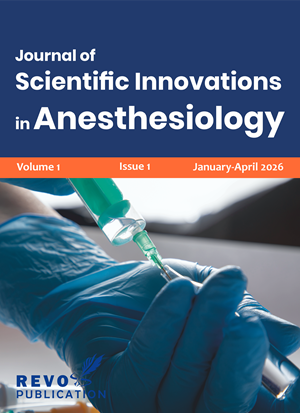 Journal of scientific innovations in anesthesiology
Comparative growth of jipe tilapia, oreochromis jipe and nile tilapia, oreochromis niloticus using regression modeling
Regression modeling analyses the relationship between two or more variables and can be used to predict the response variable from one or more independent variables. The present study uses linear regression analysis to evaluate the growth in the two fish species of genus Oreochromis, Nile tilapia and Jipe tilapia, under aquaculture conditions. The models were fitted using a collection of functions in the R-software library. The final models were selected using the goodness of fit criteria based on the coefficient of differentiation, the model p- values and Akaike information criteria. The significance of the linear relationship between predictor variables and the mean response was tested by comparing the computed standardized parameter estimates, whereas the confidence intervals were constructed to assess the uncertainty of predicting the response variable and determine outliers in the model. Generally, both species exhibited good condition during growth and all the measured water quality variables significantly afffected growth (p<0.05). However, only temperature and dissolved oxygen produced the most important linear relationship with fish weight. The study recommends that data from a controlled experiment should be used the determine the interactions between the two growth variables.
 Omweno job
A descriptive study on prescribing pattern of drugs and colon diseases at benghazi medical center in libya
Colon is part of the digestive system in the human body responsible for absorbing water and nutrients from food residues. There are many problems affecting the colon including irritable bowel syndrome, constipation, hemorrhoids, anal fissures, abscess, colitis and colon cancer which considered one of the most common diseases among the Libyan community. The aim of this study was to search the presence of colonic disease and the tendency of those diseases to transform into colonic cancer at Benghazi medical center in Benghazi-Libya. A survey was comprised of 15 questions concerning colon diseases, proper diagnosis and treatment type. The survey was distributed to the physician specialized in medicine at Benghazi medical center and they fill it voluntary. The initial part of the questionnaire designed to obtain demographic data concerning the physicians who diagnose the colon illness. The rest part of the questionnaire was concerning special questions to define frequency of the diagnosed disease. There were 20 participants at this study. The response to all questionnaires were collected and analyzed for drug use, patients and disease distribution. In conclusion, this study demonstrates that the correct diagnosis, prescribing the appropriate treatment for the colon disease and using the medicine properly is one of the most important things that help in treating the disease and reducing its exacerbation. In some cases, eradication procedures may be required if the medicine is not sufficient to treat the disease without the need for operations
Mediterranean journal of pharmacy and pharmaceutical sciences
Power system reliability and frequency tolerance requirements for critical care medical devices management
This study evaluated power system reliability and frequency tolerance requirements for the management of critical-care medical devices at the Niger Delta University Teaching Hospital (NDUTH). The analysis focused on two primary parameters: voltage stability and frequency deviation, to determine the conditions necessary for sustaining Intensive Care Unit (ICU) ventilator uptime and neonatal incubator performance. Voltage and frequency data were collected at regular intervals over a five-month period and analyzed using reliability modeling and MATLAB-simulated multidimensional surface plots. Results indicated that ICU ventilator uptime stabilized at 96.1% when system voltage remained within the 208 and 222V band under controlled load conditions. Neonatal incubator reliability, however, declined sharply when frequency deviation exceeded 0.11Hz, activating maintenance thresholds. Extended voltage dips below 185V and frequency excursions above 0.12Hz were associated with increased likelihood of device failure and elevated corrective maintenance demand. The findings underscored that uninterrupted operation of critical-care devices depends on integrating voltage and frequency reliability metrics into equipment management protocols as conclusion. Accordingly, it was recommended that NDUTH management implement continuous power-quality monitoring, enforce maintenance protocols guided by operational thresholds, and strengthen redundancy measures. These actions will enhance device reliability, reduce service interruptions and support safer, more consistent delivery of critical care in the hospital setting
Intergenerational epigenetic inheritance: a minireview of mechanisms and implications for human health and disease
The concept of inherited memories, where experiences from one generation can influence the traits and behaviors of subsequent generations, has long captivated scientific curiosity. Recent advancements in epigenetics have provided compelling evidence for the potential mechanisms underlying this phenomenon. This focused brief review article outlines the current state of knowledge on inherited memories, examining the transgenerational effects observed in animal models, the epigenetic mechanisms involved, and the environmental influences that shape these heritable traits. Additionally, Highlights about emerging areas of inquiry were explored, including the cross-generational transmission of social behaviors, the evolutionary implications of inherited memories, and the ethical considerations surrounding research in humans. Thus, a unique perspective could be deduced from this rapidly evolving field and accordingly, further research could be stimulated into the implication of inherited memories.
 Mostafa eissa
Near infrared spectroscopy of cicer arietinum l., seeds
NIRS is an advanced, fast, reliable, and non-destructive technique that is extensively used in the chemical, food, petrochemical, and pharmaceutical industries for rapid and reliable standardization. NIRS of Cicer arietinum L. Desi and Kabuli variety seed flours were performed to evaluate secondary metabolites qualitatively. The principal suggested compounds in Cicer arietinum Desi and Kabuli variety were found as adenine, biochanin-A, biochanin-B, biochanin A 7-O- β -D-glucoside, calycosin, cerebroside, choline, ciceritol, citric acid, daidzein, fructose, garbanzol, genistein, glucose, inositol, isoliquiritigen, liquiritigenin, methyl tetracosanoate, ononin, pyrimidine, saccharose, sissotrin, stigmasterol, trifolirhizin. β- amyrin and β-sitosterol. These compounds' presence justifies using Cicer arietinum as a nutritional food and tonic.
 Dr. salman ahmed
Exploring the big data and cloud computing management in e-government services: a qualitative case study in terengganu public sector
The emergence of big data has caused various challenges to data management lifecycle including storage, processing, sharing, and applications. During the same time frame, the fast development in cloud computing provides increased efficiency in computing support that address these challenges. However, there are issues in big data and cloud computing management which include security concerns, data fragmented, and distrust in using clouds that could become the roadblock to e-government services success. Although ensuring data management has been the responsibility of providers in the public sector, this issue seems to be unavoidable. In such circumstances, initiatives from the public sector agencies are crucial to ensure data is effectively managed. This research in progress aims to investigate how the public sector agencies in Terengganu manage data to improve the e-government performance. The research uses the interpretive research paradigm and adopts the qualitative research methodology using a case study design. A single case of a public sector which utilizes big data and cloud computing within the e-government platform is selected as the case for this research. The findings of this research are expected to be used in developing a framework of big data and cloud computing management which will assist in providing reliable and accurate information to citizens within the e-government environment.
 Asyraf afthanorhan
Information systems and technology in business
Management information systems are computer systems within an organisation that incorporate both hardware and software operations. It involves using business processes, people, and technology to collect, record, process, and store essential data that is significant to decision-making processes (Hartanto and Asmuni, 2017, 11). Management information systems are also used to coordinate, analyse, control, and visualise crucial organisational information. The ultimate goal of using MIS within the corporate environment is to increase value creation and profit earnings for businesses.
 Zamzam abdelazim
Complete similarity measure mathematical model for cell layout design
The presented mathematical model is used to form machine cells, optimize costs of exceptional elements and design the shop floor layout for various demands of components. The complete similarity measure algorithm forms machine cells and part families in a refined form. Later, exceptional elements are eliminated in linear programming optimization model by using machine duplication and part subcontract. Then the shop floor layout is designed to have optimized material movements between cells and within a cell. The performance evaluation of cell formation algorithm is done on case studies of various batch sizes to give the process capability compared with other similar methods. The result from a linear programming optimization model is cost savings, machines duplicated, parts subcontracted, inter intra cellular movements. Finally, the output of inbound facility design is the floor layout which has machine cell clusters with optimized floor area.
 S ramesh
Most Popular Category
- Pharmacy (270)
- Education and social science (224)
- Pharmacology (223)
- Pharmacognosy (178)
- Business management (147)
- Pharmacology and toxicology (134)
- Education and training (131)
- Pharmaceutical sciences (130)
- Medicine (129)
- Research (123)
- Health Science (100)
- Biological Sciences (99)
- Management (98)
- Computer Science (94)
- Public health (91)
- Computer Science Applications (87)
- Human resource management (83)
- Engineering (80)
- Accounting and finance (73)
- Information technology (69)