Fetus-in-fetu presenting as a symptomatic mass in an infant: a case report
Fetus-in-fetu represents an extremely unusual condition where a malformed parasitized twin with an organized vertebral column is present within the body of its host, leading to a variety of symptoms due to its mass effect. Its pathogenesis and features differ from both teratoma and fetiform teratoma. Detailed radiological evaluation helps in the assessment of the local anatomy and in planning the surgical procedure. The clinical features of a 9-month-old female with progressive abdominal distension and feeding difficulties are described. A firm, non-tender leftsided abdominal mass on palpation was found to be a well-defined encapsulated retroperitoneal lesion with bony structures resembling a vertebral axis on abdominal sonography and computed tomography. Surgical excision revealed an encapsulated mass containing rudimentary limb buds, hair, and partially developed vertebral elements. Histopathology confirmed the diagnosis of fetus in fetu. The postoperative course was uneventful, and the patient remained asymptomatic on follow-up.
 Karishma
Breaking the gender bias in msme sector:a step towards social inclusion of women entrepreneurs in tripura
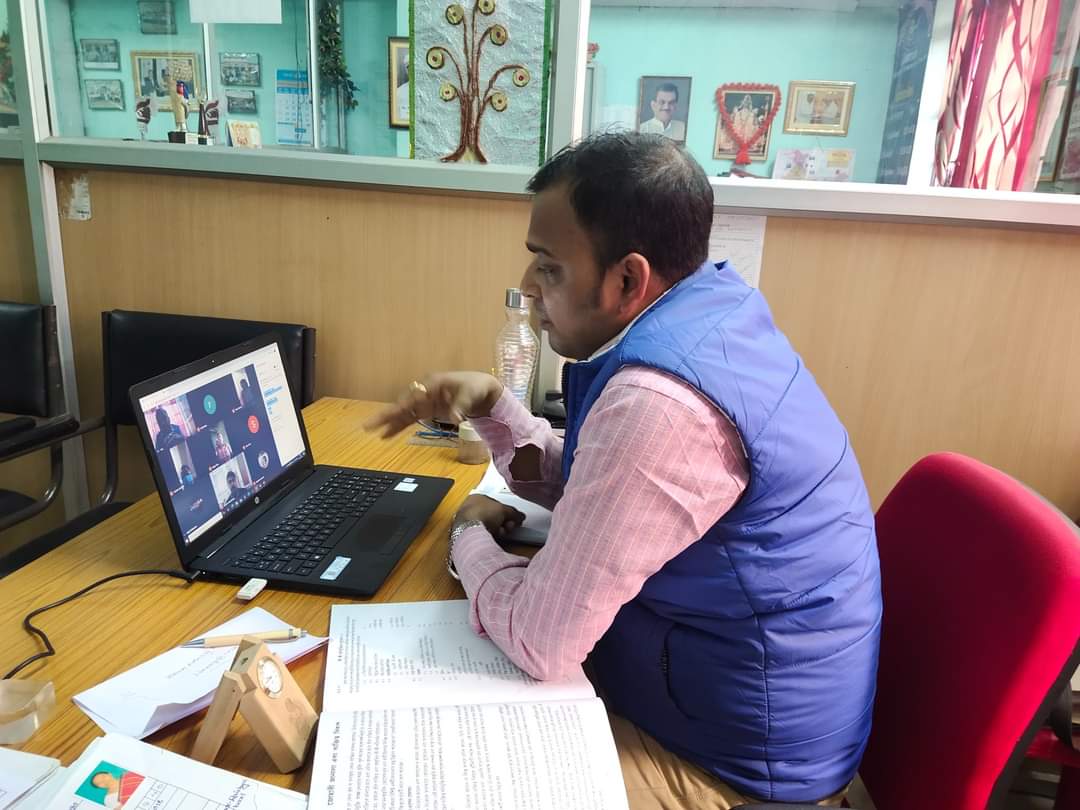
Gender financing is a typical issue now a days , women face so many challanges in obtaining financial support from bank . Practical social order,low confidence of Bankers on women ,bankers neglecting attitude in some cases discourage the women to come up with entrepreneurial idea or venture creation and thus women are legging behind men in business field .To integrate women in the mainstream development process ,the equality as well as equity is important to restrict gender discrimination .
 Md. abdur rahman choudhury
Vaccination coverage and timeliness among children aged 12-23 months in kongwa district, dodoma, tanzania
Children's vaccinations play a significant role in public health efforts, particularly in reducing morbidity and mortality rates among children worldwide. However, challenges such as the accessibility of healthcare facilities, misinformation, and perceptions continue to affect the achievement of immunization goals in Tanzania and other developing countries. Based on the need to protect the community from diseases that can be prevented by vaccination, this study aimed to assess vaccination coverage and timeliness among children aged 12-23 months who attended postnatal immunization clinics in the Kongwa district located in the Dodoma region, Tanzania. A quantitative cross-sectional study was employed, involving 200 children who visited vaccination clinics along with their caregivers. Data were obtained through a questionnaire prepared and vaccination cards. This current study revealed that 96.0% were fully vaccinated, with 4.0% partially vaccinated, while no children were found to be totally unvaccinated. Timeliness varied across vaccines assed vaccines: 75.0% of Bacillus Calmette-Guérin vaccinated on time, four doses of Oral Polio Vaccine ranged from 74.0-87.0% of on time vaccination. Three doses of the Pentavalent Vaccine and Pneumococcal Conjugate Vaccine had on-time vaccination rates ranging from 79.5% to 86.0%. Two doses of the Rotavirus Vaccine reached on-time rates of 84.5% to 86.0%. 60.5% of people received the Measles and Rubella vaccine, with 35.5% experiencing delays and 4.0% remaining unvaccinated. This study revealed that, despite the national efforts to improve vaccination rates for children, issues such as delays and incomplete immunizations persist. Strategies like community engagement, continuous training for healthcare professionals, and improving healthcare accessibility in remote areas should be reinforced to improve vaccination uptake in Tanzania.
 Mediterranean journal of pharmacy and pharmaceutical sciences
Use of electronic resources among teachers and scholars in banaras hindu university, varanasi, uttar pradesh (bharat): a survey
The advancement of the information technology and web technology have brought changes to existing information storage and retrieval system such as Digital library, online database, digital repository, virtual library, etc. Libraries have witnessed tremendous changes in recent years in terms of their collection and services. Information explosion and user's demand of the users required the development of a more comprehensive library collection. Publishers have now started publishing on-line version/electronic versions of their printed journals. Owing to the cost of journals, many colleges and universities are unable to procure these journals. Ministry of HRD and UGC has started procuring the e-resources from the 25 world-class publishers under consortia mode at a much reduced price for all university libraries. BHU library is one of the beneficiaries of this UGC-INFONET Digital Library Consortium. The present study is the part of Ph.D. research work of one of the authors. To ascertain the usage of the e-resources available to the BHU library by the teachers and scholars, this survey was conducted. The present investigation discusses the use of electronic resources (e-journals, e-books, online/ offline databases, web resources) which are made available by the INFLIBNET Centre in eresource consortium like UGC-INFONET Digital Library Consortium by the teachers and scholars of BHU. The present study was conducted as a part of doctoral research work from January 2015 to July 2015.
 Dr. awadhesh singh gautam
The interplay of emt and stemness driving malignant transformation of oral submucous fibrosis
Background: Oral submucous fibrosis (OSF) is a persistent oral mucosal condition that carries an elevated risk of undergoing malignant transformation. Our objective was to elucidate the involvement of epithelial-tomesenchymal transition (EMT) in OSF and its progression to malignancy by studying a panel of EMT markers, thereby understanding the molecular mechanisms. Methods: An immunohistochemical analysis was done to detect the presence of E-cadherin, N-cadherin, pancytokeratin (PanCK), vimentin, α-SMA (alpha-smooth muscle actin), and CD44 in a total of 100 tissue samples. These samples comprised 40 cases of OSF, 20 cases of oral squamous cell carcinoma associated with OSF (OSFSCC), and 40 cases of oral squamous cell carcinoma (OSCC). A whole transcriptomic analysis was performed on a group of seven matched samples encompassing NOM, OSF, OSFSCC, and OSCC. Results: We observed significantly decreased expression of E-cadherin and PanCK, while N-cadherin, vimentin, α-SMA, and CD44 showed significantly higher expression in OSFSCC and OSCC as compared to OSF, both at protein and RNA levels. CD44 expression was noticeably higher in OSFSCC (p < 0.001) than in OSCC. Conclusion: Downregulation of epithelial markers with concomitant upregulation of mesenchymal and stem cell markers suggests the potential role of EMT and stemness in accelerating the pathogenesis and malignant transformation of OSF. The high levels of CD44 expression seen in OSFSCC indicate a high propensity for aggressiveness and acquisition of stem-like characteristics by the cells undergoing EMT.
 Mohit sharma
Natural products as of nutraceuticals treatment for neurological disorders: an overview
Natural products play a major role in maintaining healthy people and animals and in preventing sickness. Experiments have shown that these natural compounds have several biological properties, including anti-inflammatory, anti-apoptotic, and antioxidant effects. Using Google Scholar, PubMed, and Science Direct database searches, current recorded information was incorporated in this review. The databases listed above were searched using the following Medical Subject Headings (MeSH) terms for data extraction: preventative, natural product, phytoconstituents, natural products for Parkinson's illness, Alzheimer's disease, and natural products for the brain. The effectiveness of natural products in a variety of preclinical models of neurodegenerative diseases has been demonstrated by in vitro and in vivo studies. Phytoconstituents, such as polyphenolic antioxidants, are present in freshwater and marine flora, as well as in fruits, vegetables, nuts, and herbs. These phytoconstituents may help the brain's memory and cognitive processes while preventing neurodegeneration. Moreover, they are essential in the prevention and treatment of various neurodegenerative diseases, including Parkinson's disease, epilepsy, Alzheimer's disease, and other neurological conditions. This review briefly highlights a few neurodegenerative diseases, emphasizing how natural products and nutraceuticals function against neurological disorders.
Mediterranean journal of pharmacy and pharmaceutical sciences
On the impact of debris accumulation on power production of marine hydrokinetic turbines: insights gained via les
We present a series of large-eddy simulations to systematically investigate the impact of debris accumulation on the hydrodynamics and power production of a utility-scale marine hydrokinetic (MHK) turbine under various debris loads lodged on the upstream face of the turbine tower. The turbine blades are modeled using turbine resolving, actuator line, and actuator surface methods. Moreover, the influence of debris on the flow field is captured by directly resolving individual logs and employing a novel debris model. Analyzing the hydrodynamics effects of various debris accumulations, we show that an increase in the density of debris accumulation leads to more flow bypassing beneath the turbine blade. This, in turn, reduces the flow momentum that reaches the MHK blades at the lower depths, inducing significant fluctuation in power production. Further, it is shown that debris-induced turbulent fluctuations contribute to significant variability in the MHK turbine’s power production.
 Hossein seyedzadeh
Globalisation and adivasis - an empirical study in telangana
The process of globalisation has made an unprecedented change in indigenous people's lives worldwide. However, the degree of exploitation and marginalisation vary from State to state and Adivasi tribal group to group. It examines very young, and older people are representing the highest number in the study areas. More than 73 per cent of Adivasi tribes are illiterates. The majority of families practice nuclear and have below three family members. Fifty-seven per cent of families have tiles roofs to their houses. 70% of respondents are cultivators (farmers), and 81% possess landholdings. More than 64 per cent collect minor forest produce. 68% of respondents earn less than 20k annual income. 90% of women participated in deciding their economic and family affairs—Majority Adivasi tribal suffering from anaemia, TB, BP and Diabetes. Adivasi tribals staple food is rice, followed by jowar—91% of respondents practising non-tribal traditional marriage system. The Government should take steps towards developmental activities in all villages, including water supply, bus services and roads. The Government has to take an integrated approach to develop Adivasi tribes in all aspects they need and participate in.
1.jpg) B suresh lal
B suresh lal
Assessing knowledge, attitudes, and practices of augmented reality technology in dentistry: a cross-sectional survey
Introduction: Augmented Reality (AR) technology is increasingly recognized for its potential to enhance various aspects of dental practice, including treatment planning, patient education, and training. Despite this potential, the understanding of dental professionals' knowledge, attitudes, and practices regarding AR technology remains underexplored. The objective of this research is to examine the experience, perceived advantages, and real application of augmented reality (AR) Technologies of dental faculty and students. Methodology: A sample of 132 dental students, some integrated into the workforce as part-time private dentists, and faculty members of a single dental school, completed a self-administered online survey. Knowledge and application of AR technology in dentistry, and Experience with AR practice, were the constructs of the study. An administered questionnaire, partially digital and partially paper and pencil, was divided into two parts: Knowledge Assessment and Practice Assessment. The survey results were analyzed using reference statistics. Results: Knowledge Assessment respondents confirmed understanding Augmented Reality (AR) technology (69.7), and AR technology in dental training/education was recognized (65.9). 57.6% of the participants in the Practice Assessment declared absence of AR in their educational and/or professional practice, but an AR technology practice was wanted (67.4). The self-rated proficiencies that 44.47% of the respondents professed were in the range of self-score 3 in the application of AR (moderate). A small fraction (16.7) declared their AR application self-score was above the higher order. Conclusion: It can be concluded from this work that AR technology in academic and practical dentistry is vastly underutilized, notwithstanding the high realization and appreciation for its application.
Recruiting the public relations officer during british colonial malaysia
This is a study on the growth of public relations in Malaysia based on the advertisements placed in the newspapers during the colonial period. Tracing the historical development serves to make a better understanding about the nature of public relations practice. This paper therefore aims at exploring the development of the public relations profession by studying the advertisements placed in the nationwide newspapers, the Straits Times and the Singapore Free Press & Mercantile Advertiser from 1939 which included the early advertisement that contained the phrase “public relations” to 1956 a year before the independence of the Federation of Malaysia. An analysis of the advertisements was made to fully understand the historical development of public relations in Malaya or then Malaysia. The very first advertisement that was identified was on 31 January 1948, which was placed by the Department of Public Relations of the federal government. The British colonial government had placed another four advertisements in 1949 and 1950. A British mining Co. was the first corporation to hire an information & public relations officer in 1956. The results showed some differences and similarities through the analyses of advertisements in the job specification, which included qualification, duties, and salaries. The results revealed that those who had higher education and experience obtained a higher salary. The results also showed that some advertisers companies/ organizations had substituted academic qualifications for working experience) when advertising for their public relations personnel.
 Mohammed fadel arandas
Laboratory findings of libyan patients with covid-19 in intensive care unit
The 2019 coronavirus disease (COVID-19) was declared by the World Health Organization as a pandemic on 11th March, 2020 which spread rapidly all over the world. COVID-19 disease has different clinical presentations, ranging from asymptomatic to severe symptoms. Laboratory findings are important in determining which therapeutic strategies to seek and to identify severe cases initially. In this study, we compared the results of C-reactive protein, D-dimer, blood electrolytes and mean corpuscular hemoglobin concentration between survivors and non-survivors of 22 Libyan patients with COVID-19 present in the intensive care unit at Maitika Isolation Center (Tripoli, Libya) in the period of January to June 2021. We could not detect any significant difference in C-reactive protein between survivors and non-survivors but a significant difference in D-dimer level was observed. Non-survivor COVID-19 patients have a higher level of D-dimer. Moreover, a statistical significant difference in chloride and sodium levels but not in potassium level were detected. A marked lower of mean corpuscular hemoglobin in non-survivor than survivor COVID-19 patients was shown. Thus, these parameters could act as biomarkers for COVID-19 patients.
Mediterranean journal of pharmacy and pharmaceutical sciences
Outcome of therapeutic keratoplasty in hopeless microbial keratitis cases otherwise advised evisceration
Purpose: To study the outcome of therapeutic keratoplasty in severe microbial keratitis cases otherwise advised evisceration. Methods: A retrospective, single-center clinical audit included 28 patients with severe microbial keratitis presenting from April 2014 to April 2016. Patients with microbial keratitis either affecting more than 2 quadrants of the limbus and/or cases with infections involving more than 180 mm2 of the cornea who were advised evisceration by more than one ophthalmologist were included. Cases with endophthalmitis were excluded. At 3 months, the outcome was “success” if resolution of infection occurred without recurrence and evisceration was not required. Success was termed “complete” if best vision was 6/24 or better and “partial” other- wise. The outcome was termed a “failure” if infection recurred in the graft or the eye was eviscerated. Results: Mean age of the patients (male:female, 17:11) was 49.5 years, and the mean duration of symptoms before surgery was 28.6 days. Evisceration was required in 2/28 cases. The outcome was “success” in 22/28 cases (78.6%)—complete (10/22); partial (12/22) —and “failure” in 6/28 cases. The outcome was poorer in general in fungal keratitis (n = 16) than bacterial keratitis (n = 7). Conclusions: Primary evisceration is best avoided in infections limited to the anterior segment. Even in hopeless cases, every eye deserves a fair chance.
 Dr. ashwani kumar ghai
Efficacy of vilanterol-fluticasone furoate versus formoterol-budesonide combination therapy in stable asthma
The present study evaluates the efficacy of Vilanterol-Fluticasone Furoate (VI-FF) versus Formoterol-Budesonide (FM-BD) combination therapy in stable asthma. Both regimens led to significant improvements in asthma control, as evidenced by marked increases in FEV1 (% predicted) and ACT scores over time. The demographic characteristics, baseline respiratory symptoms, and treatment outcomes were similar between the groups, indicating that both strategies were equally effective for managing asthma. The findings indicate that both VI-FF once daily and FM-BD twice daily therapies enhance lung function and asthma control. Significant improvements in FEV1 (% predicted) and ACT scores were observed in both groups, as confirmed by intention-to-treat (ITT) and perprotocol (PPA) analyses. The equivalent efficacy of VI-FF and FM-BD, combined with the convenience of once-daily dosing, suggests that VI-FF may be preferable for patients who struggle with a twice-daily regimen. These findings highlight VI-FF as a convenient and reliable treatment, particularly can benefit patients with adherence challenges. In conclusion, our study's findings align well with other studies regarding demographic characteristics, baseline symptoms, exacerbation history, hospitalization history, and spirometry results. This consistency reinforces the validity and reliability of our results, suggesting that both VI-FF and FM-BD are effective options for stable asthma. The comparable efficacy supports flexibility in treatment choices, allowing for personalized asthma management. Future research should explore the long-term benefits and adherence patterns associated with these treatments to further optimize asthma management.
 Dr k c yadav
Potential of pharmacological and herbal for covid-19: a narrative review
The pandemic coronavirus disease 2019 (COVID-19) caused by severe acute respiratory syndrome coronavirus 2 (SARS-CoV-2) presents an unprecedented challenge to identify effective drugs in the prevention and treatment process. At present, there is no proven therapy for this disease, although therapeutic approaches continue to be carried out using traditional medicines (herbal) and pharmacological therapy. Information about SARS-CoV-2 virology has rapidly developed and scientists try to provide a number of potential drugs. Remdesivir has strong in vitro activity against SARS-CoV-2. Several potential drugs are currently underway in a clinical trial. Chloroquine, hydroxychloroquine, and oseltamivir have not been proven to have efficacy, and the benefits of corticosteroids are still diverse. Current clinical evidence does not support the termination of angiotensin-converting enzyme 2 (ACE2) inhibitors or angiotensin receptor blockers, coagulation therapy in patients with COVID-19 concomitant with comorbidities.
 Syahrul tuba
A case report on young adult with wilsons disease
Wilsons disease is a rare inherited disorder which is characterized by impaired copper excretion which leads to excessive deposition of copper in many tissues and organs like brain, liver, and eye. This is also characterized by Kaiser-Fleischer ring, low serum ceruloplasmin levels and elevated urinary copper excretion [1]. A 26year male patient came to the neurology department with chief complaints of involuntary tremors of both hands and difficulty in walking in the last one month associated with swaying to one side in the last 20 days. On examination the patient is having Kaiser-Fleisher ring positive and upon further investigation Magnetic resonance imaging brain was performed which revealed the features in favor of Wilson’s disease. And for this condition the patient is treated with chelating agents and benzodiazepines.
 Dr venkata rama rao nallani
An epidural collection due to streptococci agalactiae
An Indonesian lady aged 52 years old presented to the emergency department with a 2-week history of lower backache. One-week later, she developed urine retention followed by bilateral lower limb weakness, and since then, she has been unable to walk. Her medical history, family history, and social history were unremarkable. She has no previous history of trauma or similar presented symptoms. Clinical examination showed spastic paraparesis with hyperreflexia. Blood chemistry showed HbA1c of 11.6, and the fasting blood glucose was 14.2 mmol/l. Contrast-enhanced magnetic resonance imaging (MRI) showed an epidural collection extending from T9 to S1 and occupying predominantly the anterior epidural space, with extension toward the posterior epidural space in the lumbosacral region (Fig. 1a). The provisional diagnosis was Pott’s disease, and lumbar (L) hemilaminectomy at L2 was done to drain the epidural collection. Mycobacterium tuberculosis was not detected by acid-fast bacilli or polymerase chain reaction testing of the specimen. However, the drained epdural collection was positive for penicillin-susceptible streptococci Agalactiae. Blood cultures were negative, and transesophageal echocardiography did not show any vegetations. The patient received intravenous ampicillin for 2 weeks, then switched to oral antibiotics for another 6 weeks, and was referred to the rehabilitation center, where she improved and was discharged after 8 weeks with a walker. A repeat MRI (Fig. 1b) showed a complete resolution of the previously described epidural collection.
Digital governance initiatives in telangana: a comprehensive overview
Digital governance has become a cornerstone of modern administrative systems, enabling governments to provide efficient and transparent services to citizens. Telangana, a state in southern India, has emerged as a pioneer in implementing various digital governance initiatives to enhance service delivery and promote inclusive development. This paper provides a comprehensive overview of the digital governance initiatives undertaken by the Government of Telangana, highlighting their objectives, key features, and impact on governance. The paper begins by outlining the context of digital governance in Telangana, emphasizing the state government's commitment to leveraging technology for governance reforms. It then delves into specific initiatives across various sectors, including e-governance, digital infrastructure, citizen services, and smart city projects. Each initiative is analyzed in terms of its objectives, implementation strategies, technological components, and outcomes. Key initiatives such as the Telangana State Portal, T App Folio mobile app, MeeSeva portal for e-services, and the T-Fiber project for broadband connectivity are discussed in detail. Additionally, the paper examines the integration of emerging technologies like artificial intelligence, blockchain, and Internet of Things (IoT) in governance processes to improve efficiency and transparency. Furthermore, the paper evaluates the impact of these initiatives on governance outcomes, including enhanced service delivery, increased transparency, and improved citizen engagement. It also identifies challenges faced in the implementation process and offers recommendations for overcoming them. Overall, this paper provides valuable insights into the digital governance landscape in Telangana, showcasing the state's efforts in harnessing technology to build a more efficient, responsive, and citizen-centric administration. By documenting the successes, challenges, and lessons learned, it aims to inform policymakers, researchers, and practitioners interested in digital governance and public administration reform.
 Dr gedam kamalakar
Analgesic and anti-inflammatory potential of four varieties of bell pepper (capsicum annum l.) in rodents
The use of Capsicum annum L. for culinary purposes dates back centuries. Its medicinal benefits have also been investigated in the past few days. Analgesic and anti-inflammatory activity in 4 different colored (green, yellow, orange, and red) sweet bell peppers (Capsicum annuum L.) were investigated in 200 and 400 mg/kg doses. Current research is directed at authenticating whether Capsicum can be used as an analgesic and anti-inflammatory, comparing the effects of the most used analgesic aspirin. The effects of ethanol extract of Capsicum annum L. were determined for analgesic activity by acetic acid-induced writhing, tail immersion and hot plate test. Animals were divided into ten groups (n=7): (1) Control (2) CAG 200 (3) CAG 400 (4) CAR 200 (5) CAR 400 (6) CAO 200 (7) CAO 400 (8) CAY 200 (9) CAY 400 (10) Standard. All the extracts given intraperitoneally in rat hind paws of seven animals in each treatment group received 200, 400 mg/kg. Acute toxicity was also determined by increasing the dose to 3000 mg/kg, which showed no evidence of mortality. A statistical calculation was performed using SPSS software to compare the effects of aspirin and Capsicum extract. Positive results were obtained as compared to the control group; the analgesic effect was statistically significant (P˂ 0.05). These observations revealed that the fresh fruit extract of four kinds of Bell pepper at 200 mg/kg and 400 mg/ kg possesses anti-inflammatory and pain-suppressing activities possibly mediated via PG synthesis inhibition.
 Dr. salman ahmed
Management of saline and sodic soils
Saline and sodic (alkali) soils can significantly reduce the value and productivity of affected land. By estimation, slightly more than one-fourth of irrigated farmland in the United States is affected by soil salinity. Ions most commonly associated with soil salinity include the anions chloride (Cl–), sulfate (SO4=), carbonate (HCO3–), and sometimes nitrate (NO3–) and the cations sodium (Na+), calcium (Ca++), magnesium (Mg++), and sometimes potassium (K+). Crops differ in ability to tolerate salt accumulation in soils, but if levels are high enough (more than 16 mS/cm), only tolerant plants will survive. As salts accumulate in soil, the soil solution osmotic pressure increases. Reclamation of sodic soils is different; excess sodium must first be replaced by another cation and then leached. Sodic soils are treated by replacing the sodium with calcium from a soluble source.
Evaluation of antifungal activity of miswak (salvadora persica) and toothpaste against oral cavity candida species
Around the world, several oral health measures have been implemented. The most popular method is to use a toothpaste. However, chewing sticks are still used in many cultures around the world in a conventional manner. Chewing sticks have a mechanical cleansing action similar to a toothbrush in addition to their antimicrobial effect. The purpose of this study is to evaluate the effect of Miswak on the growth of Candida species and to compare it to that of toothpaste. A cross-sectional study was carried out on 120 selected randomly volunteers from January to April, 2022. Two groups of participants were used for two weeks. The participants were separated into a group used Miswak and a group use ordinary toothpaste. Samples were collected before and after two weeks in these two groups. Samples were immediately processed for microbiological phenotypic conventional methods and in vitro susceptibility testing of the microbial isolates to antimicrobial. The findings show that a significant effect of Miswak against an oral cavity candida species. Total candida count was 27.5 ± 18.48, P = 0.001 (Mean ± SD) from Miswak group and 247.0 ± 90.14, P = 0.979 (Mean ± SD) in toothpaste group. The most frequent Candida isolates organisms were C. albicans: 22 (36.67%) in the Miswak group and 24 (40.0%) in the toothpaste group, the second isolate was C. dubliniensis: 04 (6.69%) in the Miswak group and 12 (20.0%) in toothpaste group followed by C. glabrata: 02 (3.33%) in Miswak group. In conclusion, Miswak has a considerable antifungal impact immediately and after two weeks of use.
Mediterranean journal of pharmacy and pharmaceutical sciences
Most Popular Category
- Pharmacy (270)
- Education and social science (224)
- Pharmacology (223)
- Pharmacognosy (178)
- Business management (147)
- Pharmacology and toxicology (134)
- Education and training (131)
- Pharmaceutical sciences (130)
- Medicine (129)
- Research (123)
- Health Science (100)
- Biological Sciences (99)
- Management (98)
- Computer Science (94)
- Public health (91)
- Computer Science Applications (87)
- Human resource management (83)
- Engineering (80)
- Accounting and finance (73)
- Information technology (69)