Using common medicinal plants to treat high blood pressure: an updated overview and emphasis on antihypertensive phytochemicals
The primary cause of many fatalities is hypertension (high blood pressure). Many hypertensive patients are not even aware that they have the condition. As a result, hypertension is sometimes referred to as a silent killer. Until the harmful effects of high blood pressure, such as myocardial infarction, stroke, renal abnormalities, and vision problems, are identified, hypertension is typically asymptomatic. Without the use of herbs and dietary control, conventional medication therapy could not be enough to treat hypertension. The growing number of persons with high blood pressure can be effectively treated using alternative medicine. Numerous alternative therapies, such as diet, exercise, stress management, vitamins, and herbs, have been proven to be effective in lowering high blood pressure. There are several medications available to treat this disorder however popular antihypertensive medications typically have a long list of adverse effects. Numerous active ingredients with pharmacological and preventative qualities found in medicinal plants can be used to treat hypertension. This review discusses an overview of important medicinal plants and phytochemicals with hypotensive or antihypertensive effects.
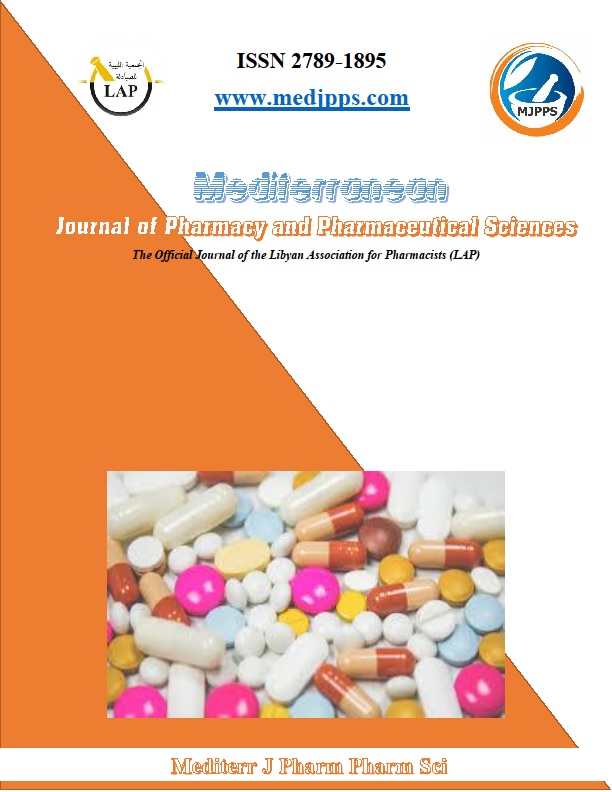 Mediterranean journal of pharmacy and pharmaceutical sciences
The role of technological innovation in the effective economic performances of enterprises
At present, numerous approaches have been verified and suggested in relation to the innovation policy formulation of the enterprise. However, less attention is paid to regions in the developing world. An attempt is made in this thesis towards that direction. I argue that from the system of innovation theory perspective, innovation policy practice for regions in the developed world is a problem solving based process, due to the path dependency of innovation policy and the development level of advanced economies. For this purpose, the article proves the possibility of every company’s making much more profit by realizing and improving effective innovative management in the developing economy. And, it will be calculated and assessed the correlation link between the costs of innovation and total revenues of the world’s most innovative companies. In the end, it will be done some conclusions and discussions of nowadays innovators practice.
 Ikboljon odashev mashrabjonovich
Traditional health practices concerning pregnancy, bırth, and the postpartum period of women giving birth in the hospital
Objective: This study was conducted to investigate traditional beliefs and practices of women regarding care of the mother and the infant during pregnancy, in childbirth, and in the postpartum period. Methods: This was a descriptive, cross-sectional study conducted at a public hospital in Istanbul. The data collected consisted of socio-demographic and obstetric characteristics, and responses to questions about some traditional customs regarding pregnancy, delivery, and the postpartum period. Results: In our research, some non-harmful cultural practices were found, such as the belief that to have a clever and beautiful baby the mother should eat fruit; that to have a healthy and peaceful pregnancy, the mother should not look upon ugly things; the mother should indulge her food cravings; and to have an easy birth, the mother should walk and focus on prayers. On the other hand, we also found beliefs that could be harmful, such as wiping the mouth of a baby with a date before breastfeeding, and practices believed to be protective that could cause harm, such as putting a knife under the baby’s bed, fastening a safety pin to the baby’s clothes, and for the mother and child to remain at home for 40 days. Conclusion: While non-harmful and beneficial practices related to maternal and infant health should be accepted and supported as a part of our cultural richness, practices that could be harmful should be prevented in pregnancy classes or with training upon hospital discharge
 Reyhan aydin doğan
Risk factors and outcomes of stroke in a tertiary hospital in hadhramout governorate, yemen
Background: Although stroke is a major problem in Hadhramout Governorate, there is a scarcity of reliable information on risk factors of stroke and predictors of in-hospital mortality. The aim of this study was to explore the risk factors and outcomes of stroke patients admitted to Ibn Sina Hospital, Hadhramout, Yemen, and to identify the predictors of in-hospital mortality. Methods and Materials: This retrospective cross-sectional study was conducted in Ibn Sina Hospital in Mukalla district, Hadhramout Governorate, over a 4-month period (from January 1, 2021, to April 30, 2021). Results: During the study period, we recruited 100 cases of stroke, of whom 77 (77%) were male and 23 (23%) were female. Their mean age was 65.42±12.78 years. Hypertension was the most common risk factor, occurring in 81 (81%) patients, while no risk factors were identified in 5 (5%) cases (Cryptogenic). Ischemic stroke was found in 70 (70%) cases, and hemorrhagic stroke was noticed in 30 (30%) patients. The in-hospital mortality was 29 (29%), and the univariate analysis found male sex, hypertension, and hemorrhagic stroke as probable predictors of in-hospital mortality. Only hemorrhagic stroke (adjusted odds ratio [OR]=2.053 and 95% confidence interval [CI]=0.822–1.599; p<0.001) and hypertension (adjusted OR= 1.677; 95% CI=0.555–1.495; p=0.011) were found to be independent predictors of mortality by multivariate logistic regression analysis. Conclusion: Stroke is a major problem in Hadhramaut Governorate with ischemic stroke being more than hemorrhagic. Men were more likely to have a stroke than women and majority of cases were elderly. Hypertension, diabetes mellitus, smoking, and dyslipidemia were the most commonly identified risk factors that were significantly associated with stroke. Hemorrhagic stroke and presence of hypertension were found to be risk factors for in-hospital mortality; therefore, hypertension should be well-controlled to reduce in-hospital mortality.
 Karishma
Bullous systemic lupus erythematosus
A 25-year-old male presented with vaguely painful and pruritic vesicles and bullae on the oral cavity, abdomen, and superior limbs with symmetrical dissemination, which appeared over the past 3 weeks. No clinical history of importance. The physical examination showed a pallid and prostrated patient, with arterial hypertension (190/110); with several symmetrical dermal vesicles and bullae located on the abdomen and superior limbs (Fig. 1) and on the oral cavity varying from 1.5mm to 4 cm. No lymphadenopathy and sigs of arthritis were identified. Laboratory tests revealed a complete blood cell count with hemoglobin levels of 10.5 g/dL (12.7–15.7 g/DL), leukocytes of 2956/mm3 (4.3–10.7 × 10³), and platelet count of 120,000/mm3 (150–350 × 103). Urinalysis shown proteinuria, hematuria, and leukocyturia. The direct Coombs assay, anti-nuclear antibodies, anti-double-stranded DNA, and anti-histone were positive. Histopathological analysis reported subepidermal discontinuity associated with neutrophilic infiltrate and direct immunofluorescence was positive for IgG, staining the basement membrane. Elisa was positive for antibodies against type VII collagen. The diagnosis was bullous systemic lupus erythematosus (BSLE) and he was treated successful with rituximab due to poor response to steroid use.
Life skills for enhancing social competence during adolescence
Social competence is often seen as a desirable trait during adolescence as it is considered as a protective factor in resilient individuals. It promotes personal and interpersonal effectiveness by enhancing skills needed for dealing with environmental challenges in daily life situations. Poor social competence has been associated with a number of psychosocial troubles during adolescence, including mental disorders, emotional and behavioral problems. Of the many skill building programs used to enhance adolescent social competence, Life Skills Education and Training have been significant ones. The present study investigates the utility of life skills training in enhancing social competency during adolescence. A pre- and post-test experimental design was used in the study to analyze the stated objectives. Adolescent Social Competency Scale was used to select the study sample. 160 adolescent students (mean age=16.44) who scored low on social competence participated in the study. These were randomly divided into the experimental and control group (n=80), consisting of equal number of male and female adolescents (n=40). Participants in the experimental group were trained on six of the ten core life skills, based on the module prepared by the researcher. The training lasted for 10 sessions following which post-test assessments were done. Data obtained was analyzed using descriptive statistics like mean, standard deviation and inferential statistics including independent sample t-test and repeated measures of ANOVA. The results of the study indicate a significant effect of life skills training in enhancing adolescent social competence, irrespective of gender.
A comparative study of credit risk management: a case study of canara bank and karnataka bank.
Banks need finance to carry out their day to day activities smoothly. There will be times where the borrowers fail to repay the money leading a risk to the lenders. There are various types of risks faced by the banks such as financial and non-financial risk in the unstable environment. These risks may be a threat for the existence and achievements of banks. A Credit risk is the risk which arises when the borrower fails to make required payments. It is a huge loss to the lender where he loses both the principal and interest which leads to the interruption of the cash flows and increase in collection costs. Banks usually follow a certain framework while lending loans so that they can manage the credit risks. The main purpose of credit risk management is to find out how much credit should be provided to the borrowers and the different ways to collect the amount back. The success of banks depends on the formulation of the policies and procedures of lending the loans and collecting the amount back and avoid Non-Performing Assets (NPA) to the banks. When banks collect their debts systematically and avoid the Non- Performing Assets (NPA), they can survive in the competitive market. The study is focused on the comparison of two banks such as Canara Bank and Karnataka Bank with regard to loans, advances, interest received and expended and the variation in the levels of Non- Performing Assets. Methodology used is the secondary source of data where the balance sheet of the banks and the income and expenditure statement of the banks are being used to explore the credibility and the capacity of the banks in managing the credit risk.
 Shaila kamath
Revolutionizing supply chains the role of artificial intelligence
Artificial Intelligence (AI) is rapidly transforming the landscape of supply chain management, offering unprecedented opportunities for optimization, efficiency, and innovation. This white paper explores the various applications of AI in supply chain operations, highlighting its potential to revolutionize the way businesses manage inventory, logistics, demand forecasting, and more. Through real-world examples and case studies, we demonstrate how AI-driven technologies are reshaping traditional supply chain practices and driving competitive advantage in today's dynamic marketplace.
Pembelajaran edutainment dalam penanaman karakter cinta tanah air pada anak usia dini di sekolah dasar
Konsep edutainment mencoba memadukan antara pendidikan dan hiburan, yang didalam konsep edutainment tersebut terdapat beberapa pendekatan yang lebih kita kenal sebagai SAVI (Somatik, Auditori, Visual dan Intelektual). Metode penelitian ini menggunakan jenis penelitian Library research, yaitu jenis penelitian yang dilakukan dan difokuskan pada penelaahan, pengkajian dan pembahasan literature-literatur, baik klasik maupun modern. Literature berbahsa arab, inggris, Indonesia dan sebagainya yang ada kaitannya dengan persoalan ini. Penelitian ini bersifat analisis deskriptif. Sumber data penelitian ini yaitu: Sumber primer dari pemikiran Beby De Poter. Sumber skunder meliputi: buku, artikel atau esai yang membahas konsep edutainment, dan buku yang berkenaan dengan konsep psikologi belajar anak, serta buku pendidikan karakter, terutama karakter cinta tanah air. Hasil penelitian ini menunjukkan: (1) Pembelajaran Edutainment Dalam Penanaman Karakter Cinta Tanah Air Bagi Anak Usia Dini Di Sekolah Dasar, yaitu: menumbuhkan karakter cinta tanah air, memunculkan emosi minat anak seperti rasa senang dan gembira dalam pembelajaran, guru dalam menyampaikan pembelajaran di kelas harus menunjukkan sikap kepedulian terhadap peserta didik. (2) Proses Penanaman Karakter Cinta Tanah Air Bagi Anak Usia Dini Di Sekolah Dasar, yaitu: proses pembelajaran interaksi antara siswa dan guru terbangun suasana menyenangkan, fleksibiltas guru dalam menyampaikan materi menyesuaikan dengan emosi peserta didik, hubungan keakraban dan persahabatan sebagaimana teman sendiri, dan guru memberikan kebabasan berexspresi kepada perserta didik pada saat proses pembelajaran.
 Educare: journal of primary education
Analgesic and anti-inflammatory potential of four varieties of bell pepper (capsicum annum l.) in rodents
The aim of the study was to evaluate the analgesic and anti-inflammatory activity of four different colored (green, yellow, orange, and red) sweet bell peppers (Capsicum annuum L.) are available at the local market in Karachi, Pakistan. Their 95% ethanol extracts at 200 and 400 mg/kg were prepared and compared with commonly used analgesics (aspirin) and anti-inflammatory agents supporting its traditional use. The analgesic effects of 95% ethanol extracts of Capsicum annum L. were investigated by acetic acid-induced writhing, tail immersion and hot plate test. The anti-inflammatory activities were observed using carrageenan-induced edema of the hind paw in rats. Animals were divided into ten groups (n=7): (1) Control (2) CAG 200 (3) CAG 400 (4) CAR 200 (5) CAR 400 (6) CAO 200 (7) CAO 400 (8) CAY 200 (9) CAY 400 and (10) Standard. All the extracts were given orally. Acute toxicity was also determined by increasing the dose to 3000 mg/kg, which showed no evidence of mortality. All extracts of Capsicum significantly increased the hot plate pain threshold and remarkably reduced the carrageenan-induced rat paw oedema. Results obtained were compared with the corresponding control group, revealing that the fresh fruit extract of all four kinds of bell pepper (200 mg/kg and 400mg/kg) possess anti-inflammatory and pain-suppressing activities possibly mediated via PG synthesis inhibition
 Dr. salman ahmed
Effect of occupational exposure on hematological and biochemical parameters in workers at oil and gas companies
Petroleum refineries are largest chemical industries that are responsible for emission of several pollutants into the atmosphere. Benzene and its metabolites are regarded as the most hazardous compounds that are emitted by petroleum refineries. These contribute to toxic oxidants, which cause many serious health risks to petroleum refineries workers. This study was aimed to analyze the effects of chemical exposure on hematological and biochemical parameters among workers at Zawia oil refinery and Mellituh oil and gas refinery companies. A total of 200 workers participated in this study which consisting of two equal groups (each group: n = 100). The first group consists of petroleum refineries workers and the second group consists of non-oil work civil servants serving were recruited as exposed and control subjects, respectively. The results of blood picture, liver enzymes and kidney functions were compared between the groups. Mean white blood cells counts, platelet counts, and hematocrit count were significantly higher, while the mean red blood cells count was insignificantly changed in petroleum refineries workers. While the mean hemoglobin and corpuscular hemoglobin concentration levels were significantly lower, whereas the mean corpuscular volume and mean corpuscular hemoglobin levels were insignificantly changed in petrol refineries workers. Liver enzymes and renal functions were significantly higher in petrol refineries workers. The present findings indicate that occupational exposure to benzene causes significant alterations in hematological and biochemical parameters and workers are at high risk of developing blood, hepatic or renal related disorders. Protection and frequent medical attention should be given to petroleum refineries workers.
Mediterranean journal of pharmacy and pharmaceutical sciences
Bioefficacy and persistency of insecticides against blister beetle, mylabris pustulata (thunb.) in pigeonpea, cajanus -cajan (l.) millsp
Blister beetle, Mylabris pustulata (Thunb.) is a polyphagous pest attacking flowers of pigeonpea (Cajanus cajan), cotton (Gossypium sp), lady’s finger (Abelmoschus esculentus), mungbean (Vigna radiata), urdbean (Vigna mungo), ricebean (Vigna umbellata) etc. throughout the country. Because of its polyphagous feeding nature and hard protective adaptation against insecticides, long term management of this pest with a single molecule is difficult. Therefore, field cum laboratory experiments were carried out for three consecutive cropping seasons during kharif 2008-09, 2009-10 and 2010-11 to find out the persistence and efficacy of different insecticides. It was found that decamethrin 2.8EC was 3334 times toxic with lowest LC50 value (0.0000563) followed by monocrotophos 36SL as compared with endosulfan which was the least toxic with LC50 value (0.1877). Insecticides evaluated for their persistent toxicity during 2009-10 revealed that decamethrin and thiodicarb caused cent per cent mortality of adult blister beetle immediately after spray. At 8th days after spraying, decamethrin caused 60 per cent mortality. Insecticides evaluated for their efficacy during the year 2010-11 revealed that the plants were found free from adult blister beetle population in treatments involving decamethrin and cypermethrin even at ten days after spray. Among all the treatments, spraying of thiodicarb 75WP @ 625 g ha-1 provided the highest grain yield (18.87 q ha-1). Maximum cost-benefit ratio was observed in monocrotophos 36SL, cypermethrin 25EC and decamethrin 2.8EC
 Dr. babu lal jat
Statistical characterization and process control assessment of key operational parameters in applied engineering systems
Ensuring consistent raw material quality is a significant challenge in chemical manufacturing, particularly for medicinal compounds where safety and efficacy are paramount. In these situations, a unique methodology known as Statistical Process Control (SPC) come into play. This study provides statistical process control analysis of four critical operational parameters for most the raw chemical compounds, especially in the medicinal chemistry— Specific Optical Rotation (SOR), Water Content (WC), RI, and Chromatographic Purity (CP)—derived from a dataset of 26 observations in an applied engineering context. The methodology encompasses descriptive statistics, rigorous distribution identification using Goodness-of-Fit tests, and process stability assessment via Individual- Moving Range (I-MR) and Exponentially Weighted Moving Average (EWMA) control charts. Descriptive statistics revealed diverse data characteristics, notably the high positive skewness (2.623) and kurtosis (9.386) of WC (Mean ± Standard Deviation: 0.177±0.106987) and the presence of negative values for SOR (Mean: -0.1, Min: -2, Max: 2). Distribution fitting identified Logistic and Normal as the most suitable for SOR, while RI demonstrated a best fit for normal distribution with Johnson Transformation. WC and CP exhibited significant non-normality and challenges in fitting standard distributions, often accompanied by warnings regarding convergence or parameter estimation stability. Crucially, control chart analysis identified significant out-of-control conditions for SOR, WC, and RI, indicating inherent process instability. CP, conversely, demonstrated stability with the optimized EWMA chart. The findings underscore the necessity of tailored statistical approaches for diverse data characteristics in quality control. Implementation of Statistical Process Control should not be underestimated in the chemical manufacturing industry, notably in the developing nations.
 Mostafa eissa
Creative cultural tourism as a new model of the relationship between cultural heritage and tourism
The current study explores creative cultural tourism as a new model of the relationship between cultural heritage and tourism. Cultural heritage with its tangible and intangible components represents an essential part of culture tourism. Many changes have been happened in tourism due to new forms of consumption patterns, tourism activities, and tourism products. These changes require shifting from traditional culture tourism to creative cultural tourism as a new concept of cultural heritage. Tourists face many problems in the traditional culture tourism which is a form of mass tourism, thus, creative cultural tourism came to solve these problems. In addition, this study explains the transformation from traditional culture tourism to creative culture tourism.
Antiemetic activity of acalypha fimbriata schumach. & thonn., acalypha ornata hochst., and acalypha wilkesiana cv. godseffiana muell arg
The current study was designed to explore the antiemetic effect of the methanolic extracts of Acalypha fimbriata Schumach. & Thonn., Acalypha ornata Hochst., and Acalypha wilkesiana cv. godseffiana Muell Arg., aerial parts using chick emesis model to validate their folk use in G.I. disorders. Emesis was induced by the oral administration of copper sulfate to male chicks. All the extracts (150 mg/kg orally) showed an antiemetic effect and were compared with the reference drug chlorpromazine. Among all the extracts, Acalypha ornata Hochst., leaves extract showed the highest (94.51%) and Acalypha fimbriata Schumach. & Thonn., stem extract showed the lowest (35.04%) antiemetic effect.
Ethics and human values
Higher education is leadership education. The values and virtues practiced in universities heavily influence the future leaders. Many institutions of higher education simultaneously show excellence in academic subjects, are green campuses with manifold ethics curricula, are active members in community engagement, and also are adept in providing value orientation to all stakeholders. It is universally felt that the status of teaching profession requires to be raised to ensure its dignity and integrity. Accordingly, it is considered necessary that there should be a code of ethics which may be evolved by the teaching community itself for its guidance. There are five major areas of professional activities which encompass the work of a teacher. For each of these areas certain principles have been identified to serve as guidelines for teacher’s conduct. HUMAN VALUES Basic human values refer to those values which are at the core of being human. The values which are considered basic inherent values in humans include truth, honesty, loyalty, love, peace, etc. because they bring out the fundamental goodness of human beings and society at large.
 Kamal singh
Air pollution, health outcomes, and environmental justice in the mid-atlantic state city: a public health lesson from a 15-year perspective (2005-2019)
The city that never sleeps, a vibrant tapestry of dense neighborhoods and relentless energy, has long grappled with the pervasive challenge of air pollution. The very dynamism that defines the city – its traffic, buildings, and industry – contributes to ambient concentrations of fine particulate matter (PM2.5) and ground-level ozone (O3), pollutants known to exact a heavy toll on public health. [1-3] An extended analysis of environmental health data from 2005 to 2019, meticulously compiled by the town Department of Health and Mental Hygiene (DOHMH), offers a crucial lens through which to view the city's journey: a narrative marked by significant public health victories interwoven with stark, persistent environmental injustices. [4] This fifteen-year period reveals not just the efficacy of targeted interventions but also the deeply entrenched disparities that continue to leave vulnerable communities uneasy. Thus, the aforementioned challenge provides a very important lesson to address similar problems around the globe, especially in the crowded urban areas.
Analysis of association of vitamin d3, hemoglobin and ferritin with special respect to libyan patients
Anemia, iron deficiency and iron deficiency anemia are common blood disorders. The role of vitamin D was agreed to be regulating in calcium and phosphate absorption and bone metabolism and its deficiency is observed as a crucial nutritional problem. Vitamin D is created under the skin by ultraviolet light. It is usually get vitamins from the food; however, in the case of vitamin D, there simply are not enough rich food sources for people to get adequate amounts in their diet. Its effects on the prevention of diseases such as cardiovascular disease and anemia has received much attention recently. To get sufficient vitamin D, need to be exposed to sunshine or use supplements. Vitamin D3 was found in the largest population as a deficiency. With regard to hemoglobin was the subject whom has less normal range of hemoglobin (19.05%) than international normal range, and in ferritin the low population number was the subject whom has less normal range of ferritin than WHO normal range. The population who has low ferritin also has low vitamin D3 and variable hemoglobin. According international guidelines, optimizing nutrition with daily or intermittent (1 to 3 times per week) iron supplementation, should be considered a first-line intervention in high-risk or high-prevalence groups. Although it is probably less effective than daily iron supplementation, intermittent iron appears to be a useful and cost effective way of controlling anemia and iron deficiency anemia. This may indicate that a positive relation between the low concentration parameter of vitamin D3 and ferritin level but no significant correlation with hemoglobin.
Mediterranean journal of pharmacy and pharmaceutical sciences
Bullockcart theology
India is a diverse land with a population of approximately 1.3 billion,1 placing India at the second position in the world in terms of population. Among these, Seventh-day Adventists' existence, as per the statistics of 2019, is 1.14 million.2 India is a richly diverse community, inclosing a diverse range of ethnic groups, each, not just different, but on occasion quite the opposite.
 Santosh kumar
Importance of action research
Action research is such a process by which B.Ed. pupil teacher attempt to study their problems scientifically in order to guide, correct and evaluate their decision andaction There are two important components of action research:(1) the consumer are the researches and (2) the research take place where there is a felt need of a solutionof a problem and when the results can be put in practice.The steps in action research are – identification of a problem area, the selection of a specific problem and the formulation of a hypothesis, the accumulation of evidence,the inference from this evidence and the continuous retesting.The importance of action research that its lies in the fact that this helps in finding quick solutions of immediate problems which search by b.ed. Students , administratorand teacher. Action research is a way to find problems and their solution S.M. Corey has developed this research technique. Objectives of action research are – processin school practice, progress of a teacher, improvement or curriculum, increase in knowledge of administrator or inspector. Need, interest, discipline, social problems,learning problem, curriculum and teachers are the field of action research. There are various steps of action research such as specific problem .Causes, hypotheses,experiment and conclusion. Outline the action research is also mentioned. Action research has been proven most beneficial in the field of diagnostic education
Most Popular Category
- Pharmacy (270)
- Education and social science (224)
- Pharmacology (223)
- Pharmacognosy (178)
- Business management (147)
- Pharmacology and toxicology (134)
- Education and training (131)
- Pharmaceutical sciences (130)
- Medicine (129)
- Research (123)
- Health Science (100)
- Biological Sciences (99)
- Management (98)
- Computer Science (94)
- Public health (91)
- Computer Science Applications (87)
- Human resource management (83)
- Engineering (80)
- Accounting and finance (73)
- Information technology (69)