Fdi in indian higher education
The decision of the government of India to allow foreign direct investment in higher education is based on a consultation paper prepared by the commerce ministry, which is marked by arguments, perverse logic and forced conclusions. FDI in any field does not have an attached objective of fulfilling social agenda of the welfare state. It is guided by profit and market. This would result in commoditization of education. As per past most foreign institutes invest in technical courses which market needs rather than in quality education and research which is important for creating and developing human resource. There is a shortage of funds in higher education sector. Here are not many ways in which this investment in this sector can be increased in this sector domestically. Since a large number of students go abroad for their higher education, it is sensible to allow foreign universities to set up their campuses here, in India. This would help in arresting the outflow of monetary and human capital. Further, foreign higher educational institutes would create competition with the local institutes making them internationally competitive this article examines the issues and financial compulsions, presented in the consultation paper
 Dr gedam kamalakar
Conflict-adapted hematological thresholds for cardiovascular risk prediction in yemen and high-malnutrition settings: a global meta-analysis
Background: Cardiovascular diseases (CVDs) disproportionately affect conflict zones like Yemen, where diagnostic limitations persist. This meta-analysis evaluated the global prognostic utility of the red cell distribution width (RDW) and the neutrophil-to-lymphocyte ratio (NLR) as predictors of CVD and aimed to establish region-specific thresholds for low-resource settings. Methods: Following PRISMA (Preferred Reporting Items for Systematic Reviews and Meta-Analyses) and MOOSE (Meta-analysis Of Observational Studies in Epidemiology) guidelines, we analyzed 75 prospective cohort studies (2014–2025) that included 201,604 adults from 142 countries. Random-effects models were used to pool hazard ratios (HRs) and the area under the curve (AUC). Results: NLR > 3.0 (HR, 2.2 [95% CI, 1.8–2.7]) independently predicted an elevated CVD risk (p < 0> 14% was associated with increased CVD risk in unadjusted analyses (HR, 2.3 [95% CI, 1.9–2.8]), this association became non-significant after adjusting for ferritin (HR, 1.02 [95% CI, 0.98–1.07]). This indicates that RDW primarily reflects iron status, emphasizing the need to measure ferritin before attributing high RDW to CVD risk. The combined RDW + NLR showed superior discriminative power (AUC, 0.82 vs. 0.71–0.74 for individual markers). Subgroup analyses revealed higher NLR cutoffs (>3.8) in HIV-endemic African populations (reflecting chronic immune activation). Sensitivity analyses revealed attenuated NLR effects in rural populations (HR, 1.9) and non-significant RDW-CVD associations when adjusting for ferritin (HR, 1.02), highlighting contextual limitations. Conclusions: While NLR stands as an independent CVD predictor, RDW > 14% must be interpreted with concurrent ferritin measurement. This is crucial to avoid misattributing CVD risk in malnutrition-endemic regions, such as Yemen, where an RDW > 15% is common. The RDW primarily reflects iron status and requires iron-status validation, especially in these high-malnutrition areas. However, caution is warranted when generalizing findings to rural settings where the CVD burden is rising fastest, given the underrepresentation of rural populations (only 16% of included studies). We strongly recommend standardized automated hematology analyzers (k > 0.85).
 Karishma
A case study on csr initiatives with special reference to hindustan unilever ltd
Corporate Social Responsibility (CSR) is a concept with many definitions and practices. The way it is understood and implemented differs greatly for each company and country. Moreover, CSR is a very broad concept that addresses many and various topics such as human rights, corporate governance, health and safety, environmental effects, working conditions and contribution to economic development. Whatever the definition is, the purpose of CSR is to drive change towards sustainability. Corporate social responsibility (CSR) is now seen as an integral part of corporate strategy. The main purpose of the study is to analyze the corporate social responsibility (CSR) activities carried out by Hindustan Unilever Limited (HUL). An empirical and analytical study was undertaken whereby the corporate official websites of the companies were analyzed. The most preferred CSR activities were observed to be women empowerment, self-employment, health hygiene and environment. The challenge for the companies is to determine a strong and innovative CSR strategy which should deliver high performance in ethical, environmental and social areas and meet all the stakeholders’ objectives.
 Thara s shetty
A review of solar energy
Solar Energy is the prime important source of energy, and it has continued to gain popularity globally. As of 2018, about 486 GW of solar PV was installed worldwide. One of the key requirements for socio-economic improvement in any nation of the world is the provision of dependable electricity supply systems. Recently, there is a massive growth in access to solar electricity in several Africa countries, notably South Africa, Egypt, Morocco, and Algeria. As a result, it decreases the global population without access to electricity with an appreciable value. This paper review the present state of solar energy capacity in the world also identifies vital approaches of improving their functionality, reliability, and affordability as well as the essential method that policymakers may implement in the future. The result shows that there is a recurrent growth in solar energy annually and as at the end of 2018 Asia with the largest capacity of 56.58%, while Central America and the Caribbean have the lowest installed capacity of 0.36%. As the request for an uninterrupted supply increases in different regions, progressive builders are embracing solar photovoltaics (PV) renewable energy as an option for their customers.
 Najeem olawale adelakun
A comprehensive review of macrotyloma uniflorum: nutritional composition, health benefits, and potential applications.
ABSTRACT Macrotyloma uniflorum, commonly known as horse gram, is an underused pulse that holds great potential as a supply of nutrition and functional compounds. This review paper aims to provide a comprehensive overview of the nutritional composition, Pharmacological activities, health benefits, and potential applications of Macrotyloma uniflorum. Horsegram has a high amount of protein, dietary fibre, and a variety of vital minerals and vitamins that make up its nutritional profile. Horsegram also has a high content of antioxidants, flavonoids, and phenolic compounds, all of which contribute to its potential health advantages. Horsegram intake has the potential to help manage a number of chronic conditions, including diabetes, obesity, cardiovascular problems, and gastrointestinal disorders, according to many studies. The review investigates the possible health advantages of Macrotyloma uniflorum, emphasising its function in controlling blood sugar, managing weight, lowering cholesterol, and antioxidant activity. Horse gram's medicinal potential is further increased by the presence of bioactive substances that include anti-inflammatory, antibacterial, diuretic, antiobesity, analgesic, anaphylactic action, and anticancer activities. In conclusion, this review paper presents a comprehensive evaluation of Macrotyloma uniflorum, highlighting its nutritional composition, health benefits, and potential applications. The findings underscore the significance of horse gram as a valuable functional food ingredient and encourage further additional investigation of its therapeutic properties for human health and well-being.
 Asawari mansabdar
Characterizations of the active ingredients of methanol extract of weaver ant and its analgesic activity in mice
Pain according to WHO has been one of the greatest issues to plague man, in the bid to handle this issue of pain, man has sought to look for other means to reduce pain to its bare minimum. This study is aimed at investigating the analgesic activity of the methanolic extract of the African weaver ant using acetic acid-induced writhing, hot plate method, and formalin-induced pain models in Swiss mice. In the acetic acid test, the methanolic extract of Oecophylla longinoda (OL) was administered orally at 200 and 400 mg/kg body weight while aspirin was administered at 100 mg/kg and tween 80 served as standards. In the hot plate and formalin models, the extract was administered orally at two doses of 200 and 400 mg/kg while pentazocine at 10 mg/kg and tween 80 at 10 mg/kg served as standards. The methanolic extract of OL exhibited significant analgesic activity in all the models, with none less than the standard significant difference (p < 0.05) by increasing the reaction time of the mice after treatment in comparison to the control. The 400 mg/kg extract in the acetic acid-induced writhing response has a percentage inhibition of 52.7%, which shows how well the extract inhibits pain in mice. The methanolic extract significantly reduced pain response in mice, with a p-value of 0.03, 0.02, and 0.001 in all the test models, respectively. OL increased the pain threshold over time and significantly reduced the writhing response that mice experience from acetic acid. Furthermore, pretreatment with OL significantly and dose-dependently decreased the early and late phases of formalin-induced pain in mice. Thus, these findings suggest that the methanolic extract of OL acts on central and peripheral pain pathways.
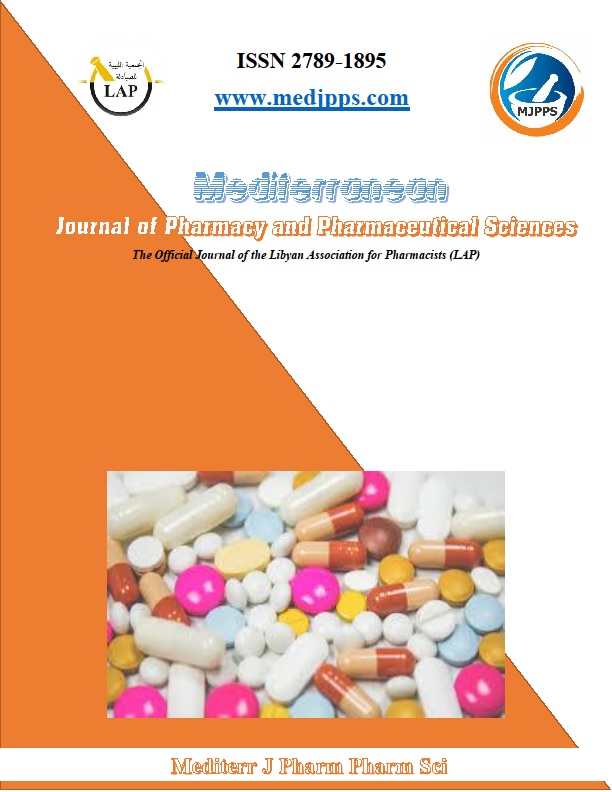 Mediterranean journal of pharmacy and pharmaceutical sciences
Hr analytics: a study on performance management of it employees with special reference to chennai city.
The Performance Management System is considered as most important system in organization. HR Analytics in Performance Management helps to understand better what is required among their Employees to increase Productivity and ultimately improves the employee Performance. HR Analytics is a method used to measure and organize information related to employee that give clean insights about the performance and productivity of an employee. It also helps the Organisations to maintain record and analyse information of specific employee with specific skill sets, this helps in cost reduction, optimizing recruitment and improving talent quality. For every organization, their employees are very precious asset. Thus, it is extremely essential to analyse, assess, and predict employee requirements. In this Modern Era measuring the performance of employees in IT Companies is a great task. This paper highlights the importance of Performance management in organisation and its influence on employee’s better performance, job achievement and work life balance.
The role of fdi in development of indian banking sector
Foreign Direct Investment as a strategic element of funding is required in every develop & developing country for achieving the financial growth & reforms and continue the pace of development and progress of the economy. FDI inflows are long term in nature which causes source of non debt finance, as well as bring modern & innovative technology in country by creating international network. In this paper, author attempted to discover how FDI is crucially important economic catalyst of Indian monetary progress by stimulating domestic investment. The essential purpose of this paper is to investigate the effect of FDI on fiscal growth by analyzing most important sector i.e. Banking Sector. And this sector is rapidly expanding with several challenges, raise due to competition by the new players in this ever growing sector. Whereas new initiatives of government like demonetization & Digital India, leads toward need of modern technologies & polices in banking sector which could be only possible by FDI in banking sector.
 Anshuman vijay magar
A study of foreign direct investment in indian electronics industry
The present study focused on analysing the FDI inflow in Electronics industry form year 2007 to 2018 in country and role of FDI in development of the electronic industry in India. As well identify the current status of Electronics industry in world and the share of India in the same. The present research work also attempted to take overview of various policies introduced by Government of India to promote the FDI in Electronics industry. The FDI inflows statistics reveals that the separate category of Electronics sector is created in year 2007 by DIPP for recording FDI inflow. And sector specific data published in DIPP factsheet revels that this industry has attracted 0.55 % of total cumulative FDI inflow in country till December 2018 which is very negligible share of overall FDI in country. The overview of policies revels that NPE–2012 to New NPE-2018 had attempted to provide multiple incentives for Foreign Investors to establish their electronic manufacturing facilities in country but very negligible response has been seen in response of the same. Further results of study reveals that due to various FTA’s & being signatory of WTO’s ITA-1 in year 1996 leads toward reducing competitiveness of electronic manufacturing in India and country become net importer of approximately 50% of overall domestic need of electronics products.
Exploring the academic landscape: a critical analysis and review of the nepal journal of multidisciplinary research [njmr]
The establishment of the Nepal Journal of Multidisciplinary Research (NJMR) aimed to facilitate the exchange of knowledge among global scholars. Consequently, a thorough examination of NJMR's trajectory toward its objectives became essential. This investigation, conducted through systematic review methods, durations five years and encompasses 164 articles, including one special issue. Throughout this period, the journal exhibited growing interest across diverse areas of study, although a notable observation was the limited citations in many articles. The majority of contributions came from scholars in Nepal and India, covering a wide range of subjects. Notably, Tribhuvan University emerged as a leading contributor, particularly in the areas of software development and cultural practices, which received more citations. The predominant focus of the journal was on quantitative research; however, there is a recognized need to acknowledge and emphasize the value of qualitative findings. To enhance its academic standing, the Nepal Journal of Multidisciplinary Research [NJMR] could benefit from increased global awareness, engagement, and a more balanced approach to research methods. Gaining wider acceptance may involve fostering international collaboration and ensuring a more comprehensive representation of qualitative research within its publications. By addressing these aspects, the journal has the potential to elevate its academic impact and contribute more substantially to the global scholarly community.
 Dr dasarath neupane
Prevalence of depressive symptoms among elderly people attending primary health-care centers in port said governorate, egypt
Background: Although geriatric depression is widespread in primary health care (PHC), local studies on the prevalence of depression in elderly PHC patients appear to be scarce. This study aimed to determine the prevalence of depressive symptoms and some of the associated risk factors among elderly PHC patients. Methods: A cross-sectional study recruiting elderly people (60 years or older) from five PHC centers in Port Said Governorate was conducted. All participants had a structured interview. The long version of the geriatric depression Scale (cut-off point ≥10) was used in elders with a Mini-Mental State Examination ≥24. Results: About two-thirds of the total sample (65.7%) was female. The total prevalence of depressive symptoms was 49.4% of all subjects, more commonly in women (58.1% vs. 32.8%). Multiple regression analysis shows that female gender, high education, unemployment, low income, lonely life, loss of a close person, chronic diseases, tumor, iatrogenic medications, and depression history were the significant associated risk factors of depression in the studied elders after adjusting all previous variables in addition to age and marital status. Conclusion: Depressive symptoms constitute a significant health problem among older PHC patients in the Port Said governorate. Routine screening for depression of every elderly PHC patient is recommended for early detection.
Geotextile can be worth their cost in pavement
Geotextiles have been successfully used for reinforcement of soils to improve the bearing capacity. In this study geotextile as a tensional material have been used for reinforcement of granular soils. Laboratory California Bearing Ratio (CBR) tests were performed to investigate the load-penetration behavior of reinforced soils with geotextile. Samples of granular soil are selected and tested without reinforcement. Then CBR tests were performed by placing geotextile in one or two layers at various depths in soil sample. The effect of the number of geotextile on the increase in bearing capacity of reinforced granular soil is discussed.
Assessing nutritional needs of oncology patients undergoing chemotherapy at bhagwan mahaveer cancer hospital & research centre, jaipur: development of an educational booklet
Background: Cancer is the word used for a tumor that spreads & destroys the host and is one of the leading causes of morbidity and mortality in developed and developing countries. Good nutrition is important for good health. Methods: Non-experimental descriptive research design was adopted for a study to assess knowledge on meeting nutritional needs among 100 oncology patients receiving chemotherapy at Bhagwan Mahaveer Cancer Hospital & Research Centre, Jaipur. Sample selection using a non-probability convenient sampling technique. Data were collected through a self-developed structured knowledge questionnaire. Results: Our results revealed that the majority of cancer patients, 43%, were in the age group of 31-40 years, 39% had no formal education, 32% had secondary education, and 17% had primary education. 76% were males, 24% were female, and 87% of participants did not have a family history of cancer. 55.23% of patients reported that nurses did counselling. The majority (67%) of respondents reported that they had previous information on meeting nutritional needs through diet counselling, and 33% reported they didn’t have any information about meeting nutritional needs. Most (45%) of cancer patients had poor knowledge, 26% had average knowledge, and 29% had good knowledge scoring. Conclusion:Conclusion:Conclusion:Conclusion:Conclusion:Conclusion:Conclusion:Conclusion:Conclusion:Conclusion:Conclusion: We concluded that results show most (45%) of oncology patients receiving chemotherapy had poor knowledge We concluded that results show most (45%) of oncology patients receiving chemotherapy had poor knowledge We concluded that results show most (45%) of oncology patients receiving chemotherapy had poor knowledge We concluded that results show most (45%) of oncology patients receiving chemotherapy had poor knowledge We concluded that results show most (45%) of oncology patients receiving chemotherapy had poor knowledge We concluded that results show most (45%) of oncology patients receiving chemotherapy had poor knowledge We concluded that results show most (45%) of oncology patients receiving chemotherapy had poor knowledge We concluded that results show most (45%) of oncology patients receiving chemotherapy had poor knowledge We concluded that results show most (45%) of oncology patients receiving chemotherapy had poor knowledge We concluded that results show most (45%) of oncology patients receiving chemotherapy had poor knowledge We concluded that results show most (45%) of oncology patients receiving chemotherapy had poor knowledge We concluded that results show most (45%) of oncology patients receiving chemotherapy had poor knowledge We concluded that results show most (45%) of oncology patients receiving chemotherapy had poor knowledge We concluded that results show most (45%) of oncology patients receiving chemotherapy had poor knowledge We concluded that results show most (45%) of oncology patients receiving chemotherapy had poor knowledge We concluded that results show most (45%) of oncology patients receiving chemotherapy had poor knowledge We concluded that results show most (45%) of oncology patients receiving chemotherapy had poor knowledge We concluded that results show most (45%) of oncology patients receiving chemotherapy had poor knowledge We concluded that results show most (45%) of oncology patients receiving chemotherapy had poor knowledge We concluded that results show most (45%) of oncology patients receiving chemotherapy had poor knowledge We concluded that results show most (45%) of oncology patients receiving chemotherapy had poor knowledge We concluded that results show most (45%) of oncology patients receiving chemotherapy had poor knowledge We concluded that results show most (45%) of oncology patients receiving chemotherapy had poor knowledge We concluded that results show most (45%) of oncology patients receiving chemotherapy had poor knowledge We concluded that results show most (45%) of oncology patients receiving chemotherapy had poor knowledge We concluded that results show most (45%) of oncology patients receiving chemotherapy had poor knowledge We concluded that results show most (45%) of oncology patients receiving chemotherapy had poor knowledge We concluded that results show most (45%) of oncology patients receiving chemotherapy had poor knowledge We concluded that results show most (45%) of oncology patients receiving chemotherapy had poor knowledge We concluded that results show most (45%) of oncology patients receiving chemotherapy had poor knowledge We concluded that results show most (45%) of oncology patients receiving chemotherapy had poor knowledge We concluded that results show most (45%) of oncology patients receiving chemotherapy had poor knowledge We concluded that results show most (45%) of oncology patients receiving chemotherapy had poor knowledge We concluded that results show most (45%) of oncology patients receiving chemotherapy had poor knowledge We concluded that results show most (45%) of oncology patients receiving chemotherapy had poor knowledge We concluded that results show most (45%) of oncology patients receiving chemotherapy had poor knowledge We concluded that results show most (45%) of oncology patients receiving chemotherapy had poor knowledge We concluded that results show most (45%) of oncology patients receiving chemotherapy had poor knowledge We concluded that results show most (45%) of oncology patients receiving chemotherapy had poor knowledge We concluded that results show most (45%) of oncology patients receiving chemotherapy had poor knowledge We concluded that results show most (45%) of oncology patients receiving chemotherapy had poor knowledge We concluded that results show most (45%) of oncology patients receiving chemotherapy had poor knowledge We concluded that results show most (45%) of oncology patients receiving chemotherapy had poor knowledge We concluded that results show most (45%) of oncology patients receiving chemotherapy had poor knowledge We concluded that results show most (45%) of oncology patients receiving chemotherapy had poor knowledge We concluded that results show most (45%) of oncology patients receiving chemotherapy had poor knowledge We concluded that results show most (45%) of oncology patients receiving chemotherapy had poor knowledge We concluded that results show most (45%) of oncology patients receiving chemotherapy had poor knowledge We concluded that results show most (45%) of oncology patients receiving chemotherapy had poor knowledge We concluded that results show most (45%) of oncology patients receiving chemotherapy had poor knowledge We concluded that results show most (45%) of oncology patients receiving chemotherapy had poor knowledge We concluded that results show most (45%) of oncology patients receiving chemotherapy had poor knowledge We concluded that results show most (45%) of oncology patients receiving chemotherapy had poor knowledge We concluded that results show most (45%) of oncology patients receiving chemotherapy had poor knowledge We concluded that results show most (45%) of oncology patients receiving chemotherapy had poor knowledge We concluded that results show most (45%) of oncology patients receiving chemotherapy had poor knowledge We concluded that results show most (45%) of oncology patients receiving chemotherapy had poor knowledge We concluded that results show most (45%) of oncology patients receiving chemotherapy had poor knowledge We concluded that results show most (45%) of oncology patients receiving chemotherapy had poor knowledge We concluded that results show most (45%) of oncology patients receiving chemotherapy had poor knowledge We concluded that results show most (45%) of oncology patients receiving chemotherapy had poor knowledge We concluded that results show most (45%) of oncology patients receiving chemotherapy had poor knowledge We concluded that results show most (45%) of oncology patients receiving chemotherapy had poor knowledge We concluded that results show most (45%) of oncology patients receiving chemotherapy had poor knowledge We concluded that results show most (45%) of oncology patients receiving chemotherapy had poor knowledge We concluded that results show most (45%) of oncology patients receiving chemotherapy had poor knowledge We concluded that results show most (45%) of oncology patients receiving chemotherapy had poor knowledge We concluded that results show most (45%) of oncology patients receiving chemotherapy had poor knowledge We concluded that results show most (45%) of oncology patients receiving chemotherapy had poor knowledge We concluded that results show most (45%) of oncology patients receiving chemotherapy had poor knowledge We concluded that results show most (45%) of oncology patients receiving chemotherapy had poor knowledge We concluded that results show most (45%) of oncology patients receiving chemotherapy had poor knowledge We concluded that results show most (45%) of oncology patients receiving chemotherapy had poor knowledge We concluded that results show most (45%) of oncology patients receiving chemotherapy had poor knowledge We concluded that results show most (45%) of oncology patients receiving chemotherapy had poor knowledge We concluded that results show most (45%) of oncology patients receiving chemotherapy had poor knowledge We concluded that results show most (45%) of oncology patients receiving chemotherapy had poor knowledge We concluded that results show most (45%) of oncology patients receiving chemotherapy had poor knowledge We concluded that results show most (45%) of oncology patients receiving chemotherapy had poor knowledge We concluded that results show most (45%) of oncology patients receiving chemotherapy had poor knowledge We concluded that results show most (45%) of oncology patients receiving chemotherapy had poor knowledge We concluded that results show most (45%) of oncology patients receiving chemotherapy had poor knowledge We concluded that results show most (45%) of oncology patients receiving chemotherapy had poor knowledge We concluded that results show most (45%) of oncology patients receiving chemotherapy had poor knowledge We concluded that results show most (45%) of oncology patients receiving chemotherapy had poor knowledge meeting nutritionmeeting nutrition meeting nutrition meeting nutrition meeting nutritionmeeting nutrition meeting nutrition meeting nutritionmeeting nutritionmeeting nutritionmeeting nutritionmeeting nutritional needs during chemotherapy. However, the researcher developed an information booklet, and he hopes that al needs during chemotherapy. However, the researcher developed an information booklet, and he hopes that al needs during chemotherapy. However, the researcher developed an information booklet, and he hopes that al needs during chemotherapy. However, the researcher developed an information booklet, and he hopes that al needs during chemotherapy. However, the researcher developed an information booklet, and he hopes that al needs during chemotherapy. However, the researcher developed an information booklet, and he hopes that al needs during chemotherapy. However, the researcher developed an information booklet, and he hopes that al needs during chemotherapy. However, the researcher developed an information booklet, and he hopes that al needs during chemotherapy. However, the researcher developed an information booklet, and he hopes that al needs during chemotherapy. However, the researcher developed an information booklet, and he hopes that al needs during chemotherapy. However, the researcher developed an information booklet, and he hopes that al needs during chemotherapy. However, the researcher developed an information booklet, and he hopes that al needs during chemotherapy. However, the researcher developed an information booklet, and he hopes that al needs during chemotherapy. However, the researcher developed an information booklet, and he hopes that al needs during chemotherapy. However, the researcher developed an information booklet, and he hopes that al needs during chemotherapy. However, the researcher developed an information booklet, and he hopes that al needs during chemotherapy. However, the researcher developed an information booklet, and he hopes that al needs during chemotherapy. However, the researcher developed an information booklet, and he hopes that al needs during chemotherapy. However, the researcher developed an information booklet, and he hopes that al needs during chemotherapy. However, the researcher developed an information booklet, and he hopes that al needs during chemotherapy. However, the researcher developed an information booklet, and he hopes that al needs during chemotherapy. However, the researcher developed an information booklet, and he hopes that al needs during chemotherapy. However, the researcher developed an information booklet, and he hopes that al needs during chemotherapy. However, the researcher developed an information booklet, and he hopes that al needs during chemotherapy. However, the researcher developed an information booklet, and he hopes that al needs during chemotherapy. However, the researcher developed an information booklet, and he hopes that al needs during chemotherapy. However, the researcher developed an information booklet, and he hopes that al needs during chemotherapy. However, the researcher developed an information booklet, and he hopes that al needs during chemotherapy. However, the researcher developed an information booklet, and he hopes that al needs during chemotherapy. However, the researcher developed an information booklet, and he hopes that al needs during chemotherapy. However, the researcher developed an information booklet, and he hopes that al needs during chemotherapy. However, the researcher developed an information booklet, and he hopes that al needs during chemotherapy. However, the researcher developed an information booklet, and he hopes that al needs during chemotherapy. However, the researcher developed an information booklet, and he hopes that al needs during chemotherapy. However, the researcher developed an information booklet, and he hopes that al needs during chemotherapy. However, the researcher developed an information booklet, and he hopes that al needs during chemotherapy. However, the researcher developed an information booklet, and he hopes that al needs during chemotherapy. However, the researcher developed an information booklet, and he hopes that al needs during chemotherapy. However, the researcher developed an information booklet, and he hopes that al needs during chemotherapy. However, the researcher developed an information booklet, and he hopes that al needs during chemotherapy. However, the researcher developed an information booklet, and he hopes that al needs during chemotherapy. However, the researcher developed an information booklet, and he hopes that al needs during chemotherapy. However, the researcher developed an information booklet, and he hopes that al needs during chemotherapy. However, the researcher developed an information booklet, and he hopes that al needs during chemotherapy. However, the researcher developed an information booklet, and he hopes that al needs during chemotherapy. However, the researcher developed an information booklet, and he hopes that al needs during chemotherapy. However, the researcher developed an information booklet, and he hopes that al needs during chemotherapy. However, the researcher developed an information booklet, and he hopes that al needs during chemotherapy. However, the researcher developed an information booklet, and he hopes that al needs during chemotherapy. However, the researcher developed an information booklet, and he hopes that al needs during chemotherapy. However, the researcher developed an information booklet, and he hopes that al needs during chemotherapy. However, the researcher developed an information booklet, and he hopes that al needs during chemotherapy. However, the researcher developed an information booklet, and he hopes that al needs during chemotherapy. However, the researcher developed an information booklet, and he hopes that al needs during chemotherapy. However, the researcher developed an information booklet, and he hopes that al needs during chemotherapy. However, the researcher developed an information booklet, and he hopes that al needs during chemotherapy. However, the researcher developed an information booklet, and he hopes that al needs during chemotherapy. However, the researcher developed an information booklet, and he hopes that al needs during chemotherapy. However, the researcher developed an information booklet, and he hopes that al needs during chemotherapy. However, the researcher developed an information booklet, and he hopes that al needs during chemotherapy. However, the researcher developed an information booklet, and he hopes that al needs during chemotherapy. However, the researcher developed an information booklet, and he hopes that al needs during chemotherapy. However, the researcher developed an information booklet, and he hopes that al needs during chemotherapy. However, the researcher developed an information booklet, and he hopes that al needs during chemotherapy. However, the researcher developed an information booklet, and he hopes that al needs during chemotherapy. However, the researcher developed an information booklet, and he hopes that al needs during chemotherapy. However, the researcher developed an information booklet, and he hopes that al needs during chemotherapy. However, the researcher developed an information booklet, and he hopes that al needs during chemotherapy. However, the researcher developed an information booklet, and he hopes that al needs during chemotherapy. However, the researcher developed an information booklet, and he hopes that al needs during chemotherapy. However, the researcher developed an information booklet, and he hopes that al needs during chemotherapy. However, the researcher developed an information booklet, and he hopes that al needs during chemotherapy. However, the researcher developed an information booklet, and he hopes that al needs during chemotherapy. However, the researcher developed an information booklet, and he hopes that the booklet will surely enhance oncology patient’s knowledge of meeting nutritional needs during chemotherapy the booklet will surely enhance oncology patient’s knowledge of meeting nutritional needs during chemotherapy the booklet will surely enhance oncology patient’s knowledge of meeting nutritional needs during chemotherapy the booklet will surely enhance oncology patient’s knowledge of meeting nutritional needs during chemotherapy the booklet will surely enhance oncology patient’s knowledge of meeting nutritional needs during chemotherapy the booklet will surely enhance oncology patient’s knowledge of meeting nutritional needs during chemotherapy the booklet will surely enhance oncology patient’s knowledge of meeting nutritional needs during chemotherapy the booklet will surely enhance oncology patient’s knowledge of meeting nutritional needs during chemotherapy the booklet will surely enhance oncology patient’s knowledge of meeting nutritional needs during chemotherapy the booklet will surely enhance oncology patient’s knowledge of meeting nutritional needs during chemotherapy the booklet will surely enhance oncology patient’s knowledge of meeting nutritional needs during chemotherapy the booklet will surely enhance oncology patient’s knowledge of meeting nutritional needs during chemotherapy the booklet will surely enhance oncology patient’s knowledge of meeting nutritional needs during chemotherapy the booklet will surely enhance oncology patient’s knowledge of meeting nutritional needs during chemotherapy the booklet will surely enhance oncology patient’s knowledge of meeting nutritional needs during chemotherapy the booklet will surely enhance oncology patient’s knowledge of meeting nutritional needs during chemotherapy the booklet will surely enhance oncology patient’s knowledge of meeting nutritional needs during chemotherapy the booklet will surely enhance oncology patient’s knowledge of meeting nutritional needs during chemotherapy the booklet will surely enhance oncology patient’s knowledge of meeting nutritional needs during chemotherapy the booklet will surely enhance oncology patient’s knowledge of meeting nutritional needs during chemotherapy the booklet will surely enhance oncology patient’s knowledge of meeting nutritional needs during chemotherapy the booklet will surely enhance oncology patient’s knowledge of meeting nutritional needs during chemotherapy the booklet will surely enhance oncology patient’s knowledge of meeting nutritional needs during chemotherapy the booklet will surely enhance oncology patient’s knowledge of meeting nutritional needs during chemotherapy the booklet will surely enhance oncology patient’s knowledge of meeting nutritional needs during chemotherapy the booklet will surely enhance oncology patient’s knowledge of meeting nutritional needs during chemotherapy the booklet will surely enhance oncology patient’s knowledge of meeting nutritional needs during chemotherapy the booklet will surely enhance oncology patient’s knowledge of meeting nutritional needs during chemotherapy the booklet will surely enhance oncology patient’s knowledge of meeting nutritional needs during chemotherapy the booklet will surely enhance oncology patient’s knowledge of meeting nutritional needs during chemotherapy the booklet will surely enhance oncology patient’s knowledge of meeting nutritional needs during chemotherapy the booklet will surely enhance oncology patient’s knowledge of meeting nutritional needs during chemotherapy the booklet will surely enhance oncology patient’s knowledge of meeting nutritional needs during chemotherapy the booklet will surely enhance oncology patient’s knowledge of meeting nutritional needs during chemotherapy the booklet will surely enhance oncology patient’s knowledge of meeting nutritional needs during chemotherapy the booklet will surely enhance oncology patient’s knowledge of meeting nutritional needs during chemotherapy the booklet will surely enhance oncology patient’s knowledge of meeting nutritional needs during chemotherapy the booklet will surely enhance oncology patient’s knowledge of meeting nutritional needs during chemotherapy the booklet will surely enhance oncology patient’s knowledge of meeting nutritional needs during chemotherapy the booklet will surely enhance oncology patient’s knowledge of meeting nutritional needs during chemotherapy the booklet will surely enhance oncology patient’s knowledge of meeting nutritional needs during chemotherapy the booklet will surely enhance oncology patient’s knowledge of meeting nutritional needs during chemotherapy the booklet will surely enhance oncology patient’s knowledge of meeting nutritional needs during chemotherapy the booklet will surely enhance oncology patient’s knowledge of meeting nutritional needs during chemotherapy the booklet will surely enhance oncology patient’s knowledge of meeting nutritional needs during chemotherapy the booklet will surely enhance oncology patient’s knowledge of meeting nutritional needs during chemotherapy the booklet will surely enhance oncology patient’s knowledge of meeting nutritional needs during chemotherapy the booklet will surely enhance oncology patient’s knowledge of meeting nutritional needs during chemotherapy the booklet will surely enhance oncology patient’s knowledge of meeting nutritional needs during chemotherapy the booklet will surely enhance oncology patient’s knowledge of meeting nutritional needs during chemotherapy the booklet will surely enhance oncology patient’s knowledge of meeting nutritional needs during chemotherapy the booklet will surely enhance oncology patient’s knowledge of meeting nutritional needs during chemotherapy the booklet will surely enhance oncology patient’s knowledge of meeting nutritional needs during chemotherapy the booklet will surely enhance oncology patient’s knowledge of meeting nutritional needs during chemotherapy the booklet will surely enhance oncology patient’s knowledge of meeting nutritional needs during chemotherapy the booklet will surely enhance oncology patient’s knowledge of meeting nutritional needs during chemotherapy the booklet will surely enhance oncology patient’s knowledge of meeting nutritional needs during chemotherapy the booklet will surely enhance oncology patient’s knowledge of meeting nutritional needs during chemotherapy the booklet will surely enhance oncology patient’s knowledge of meeting nutritional needs during chemotherapy the booklet will surely enhance oncology patient’s knowledge of meeting nutritional needs during chemotherapy the booklet will surely enhance oncology patient’s knowledge of meeting nutritional needs during chemotherapy the booklet will surely enhance oncology patient’s knowledge of meeting nutritional needs during chemotherapy the booklet will surely enhance oncology patient’s knowledge of meeting nutritional needs during chemotherapy the booklet will surely enhance oncology patient’s knowledge of meeting nutritional needs during chemotherapy the booklet will surely enhance oncology patient’s knowledge of meeting nutritional needs during chemotherapy the booklet will surely enhance oncology patient’s knowledge of meeting nutritional needs during chemotherapy the booklet will surely enhance oncology patient’s knowledge of meeting nutritional needs during chemotherapy the booklet will surely enhance oncology patient’s knowledge of meeting nutritional needs during chemotherapy the booklet will surely enhance oncology patient’s knowledge of meeting nutritional needs during chemotherapy the booklet will surely enhance oncology patient’s knowledge of meeting nutritional needs during chemotherapy the booklet will surely enhance oncology patient’s knowledge of meeting nutritional needs during chemotherapy the booklet will surely enhance oncology patient’s knowledge of meeting nutritional needs during chemotherapy the booklet will surely enhance oncology patient’s knowledge of meeting nutritional needs during chemotherapy the booklet will surely enhance oncology patient’s knowledge of meeting nutritional needs during chemotherapy the booklet will surely enhance oncology patient’s knowledge of meeting nutritional needs during chemotherapy the booklet will surely enhance oncology patient’s knowledge of meeting nutritional needs during chemotherapy the booklet will surely enhance oncology patient’s knowledge of meeting nutritional needs during chemotherapy the booklet will surely enhance oncology patient’s knowledge of meeting nutritional needs during chemotherapy the booklet will surely enhance oncology patient’s knowledge of meeting nutritional needs during chemotherapy the booklet will surely enhance oncology patient’s knowledge of meeting nutritional needs during chemotherapy the booklet will surely enhance oncology patient’s knowledge of meeting nutritional needs during chemotherapy .
 Dr k c yadav
Inhibition and modulation of calcium oxalate monohydrate crystals by phytic acid: an in vitro study
The aim of the study was to explore the inhibition and modulation of calcium oxalate monohydrate crystals into calcium oxalate dihydrate by phytic acid. The study was carried out on glass slides using phytic acid (1 - 5%) solutions. All tested solutions inhibited the growth and modulated calcium oxalate monohydrate crystals. Donuts, rosettes and X-shape crystals of calcium oxalate monohydrate along with their defected forms were observed. The presence of calcium oxalate dihydrate crystals as elongated rods and tetragonal bipyramidal crystals revealed the modulated forms of calcium oxalate monohydrate. Smaller zones of nucleation are declared as general patterns of growth inhibition. This study gives valuable information about calcium oxalate crystals' inhibition and modulation patterns. Further studies are required to confirm the results of the present study.
 Dr. salman ahmed
Pharmacognostic and phytochemical study of the flowers of cordia sebestena l
The present study shows the pharmacognostic and phytochemical studies on the flowers of Cordia sebestena. L. belongs to the family Boraginaceae. C. sebestena L. is found primarily in tropical and subtropical regions of the American, Asian and African continents. Though it is an essential plant, no pharmacognostic work has been found on its parts, such as flowers. Various organoleptic characters were recorded by macroscopic study. A microscopic study of the flowers was also conducted, which shows the presence of fibres, calcium oxalate crystals and multiple types of trichomes, along with fluorescence analysis. The present study also deals with the Fourier transform infrared spectroscopic analysis of C. sebestena L. FT-IR spectra revealed the presence of C-H, C=C, C-N, C-O and aromatic groups. The chemical composition of the hexane extract of the flowers of C. sebestena L. was detected through GC-MS, and the spectrum achieved through GC-MS was correlated with the database of the National Institute of Standards and Technology (NIST) which comprise more than 62000 outlines of the mass spectrum. GC-MS analysis of n-hexane extract showed the existence of Retinoic acid, lupeol, β-sitosterol, stigmasterol, and hexadecanoic acid, along with fatty acids, esters, alkaloids and alcohols. These pharmacognostic and phytochemical studies can be valuable in providing reliable proof of the quality of the plant, which can benefit health professionals and herbal medicine manufacturers.
Detection of antibodies to h5 and h9 subtypes of influenza viruses in wild birds in zaria, nigeria
Avian influenza has impacted negatively on poultry production in Nigeria. The aim of this study was to determine the status of avian influenza virus (AIV) antibodies in wild birds to provide early warning of an outbreak. One hundred and forty-six sera from five different species of wild birds were tested for antibodies to avian influenza A viruses (H5 and H9) using enzyme linked immunosorbent assay and haemagglutination inhibition (HI) tests. An overall seroprevalence of 3.4% (5/146) was recorded in the study area. Seroprevalence of 6.67% (2/30) was recorded in speckled pigeons (Columba guinea) and Village weavers (Ploceus cucullatus) respectively and 3.33% (1/30) in Cattle egrets (Bubulcus ibis). No antibodies were detected in laughing doves (Spilolepia senegalensis) and African silver bill (Euodice cantans). The serological detection of AIV subtypes H5 and H9 by HI showed the exposure of these birds to the two subtypes. The result from this study indicates evidence of the presence of H5 and H9 AI viruses in wild birds in Zaria, Kaduna State. Therefore, comprehensive surveillance of influenza A involving wild birds’ population and H5 as well as H9 subtype is recommended. This is necessary in order to know the actual status of these strains in the poultry population in Nigeria in view of their zoonotic and economic importance.
 Bitrus inuwa
Aggressive behavior among higher secondary students in rural, semi-urban and urban areas: a review of literature
This study aims to examine and compare the levels and patterns of aggressive behavior among higher secondary students in rural, semi-urban, and urban areas. Aggression among adolescents is a significant concern, and understanding its variations across different settings can provide valuable insights for intervention and prevention strategies. The study employs a review-based research design, using articles published between 1993 and 2023 to collect data on aggressive behavior of higher secondary students. For this purpose, a review of the literature was performed by using the search words “aggressive behavior”, “higher secondary students”, “rural”, “semi-urban”, “urban” in the databases like Google Scholar, ResearchGate, Academia, Shodhganga, PubMed, JSTOR and Elsevier for articles. The results will shed light on the prevalence, types, and potential factors influencing aggression in these areas, informing the development of targeted interventions and policy recommendations and statistical analyses will be employed to examine the relationships between variables. Importance and Scope of the Topic: Aggressive behavior is a topic that affects us all. From playground bullies to road rage enthusiasts, aggressive behavior has a significant impact on our daily lives. Understanding the causes and consequences of aggression is crucial in finding ways to prevent and manage such behavior. After all, the world would be a much better place if we all knew how to calm down and express our frustrations in healthy ways.
 Abdul jaleel kuzhiyengal mambra
Traditional health practices concerning pregnancy, bırth, and the postpartum period of women giving birth in the hospital
Objective: This study was conducted to investigate traditional beliefs and practices of women regarding care of the mother and the infant during pregnancy, in childbirth, and in the postpartum period. Methods: This was a descriptive, cross-sectional study conducted at a public hospital in Istanbul. The data collected consisted of socio-demographic and obstetric characteristics, and responses to questions about some traditional customs regarding pregnancy, delivery, and the postpartum period. Results: In our research, some non-harmful cultural practices were found, such as the belief that to have a clever and beautiful baby the mother should eat fruit; that to have a healthy and peaceful pregnancy, the mother should not look upon ugly things; the mother should indulge her food cravings; and to have an easy birth, the mother should walk and focus on prayers. On the other hand, we also found beliefs that could be harmful, such as wiping the mouth of a baby with a date before breastfeeding, and practices believed to be protective that could cause harm, such as putting a knife under the baby’s bed, fastening a safety pin to the baby’s clothes, and for the mother and child to remain at home for 40 days. Conclusion: While non-harmful and beneficial practices related to maternal and infant health should be accepted and supported as a part of our cultural richness, practices that could be harmful should be prevented in pregnancy classes or with training upon hospital discharge
 Reyhan aydin doğan
Management of an anticipated difficult airway due to a vallecular cyst in an adult patient: when surgical airway takes the lead!!
Vallecular cysts, although infrequent in adults, pose a challenge for anesthesiologists in view of the risk of airway obstruction at anesthesia induction or aspiration in case of cyst rupture. The present case is of a 35-year-old male patient who was scheduled for excision of a vallecular cyst. An awake technique was initially decided for nasotracheal intubation using a flexible videolaryngoscope, AmbuscopeTM, after complete topicalization of the airway with local anesthesia. However, anticipating the need for a tracheostomy, the surgical team was prepared, and this was timely chosen as the only viable option following failure to visualize the glottis despite negotiating every possible way around the cyst. This case highlights the successful management of a large vallecular cyst in an adult patient, where failed awake nasotracheal intubation despite optimal preparation necessitated an early, planned tracheostomy. This reiterates the fact that the surgical airway may not be always chosen as the last resort in crisis but also as a timely intervention to prevent an airway catastrophe.
 Journal of scientific innovations in anesthesiology
Cardiopulmonary endurance in post covid-19 patients
Long periods of free-movement Restrictions may negatively affect Cardio-Pulmonary fitness and health. As, the COVID-19 virus primarily affects Respiratory system, and also associated with cardiovascular disease, can induce the following complications like thrombosis, myocardities, Interstitial pulmonary fibrosis, diffuse alveolar damage and persistent decline in lung function, as the lung capacity decreases it may results in decrease in Cardio Pulmonary endurance. The Present study investigated changes after the COVID-19 confinement in total distance covered in 6 minutes by patients and correlation between 6 minutes walk test vs. oxygen saturation; Results suggest that the Mean ± SD of age is 43.4 ± 10.8years. Male: Female 1:0.5.Mean ± SD of total distance walked in 6 minutes by patients is 443.5 ± 55 compared with Hypothetical mean (normative value) is 571 ± 90.Correlation between Total distance walked in 6 minutes vs. oxygen saturation is r = 0.055.
Most Popular Category
- Pharmacy (270)
- Education and social science (224)
- Pharmacology (223)
- Pharmacognosy (178)
- Business management (147)
- Pharmacology and toxicology (134)
- Education and training (131)
- Pharmaceutical sciences (130)
- Medicine (129)
- Research (123)
- Health Science (100)
- Biological Sciences (99)
- Management (98)
- Computer Science (94)
- Public health (91)
- Computer Science Applications (87)
- Human resource management (83)
- Engineering (80)
- Accounting and finance (73)
- Information technology (69)