Academic leadership and governance of higher education
This abstract provides an overview of the critical role of academic leadership and governance in higher education institutions. As the landscape of higher education undergoes profound transformations, academic leaders and governance structures play a pivotal role in shaping the direction, quality, and effectiveness of educational institutions. This abstract highlights key themes, challenges, and considerations related to academic leadership and governance, emphasizing the need for adaptability, transparency, and inclusivity in the decision-making processes. The abstract begins by acknowledging the evolving nature of higher education and the increasing complexity of issues facing institutions, including technological advancements, changing student demographics, and shifting funding models. It underscores the central importance of academic leadership and governance in addressing these challenges and promoting institutional excellence.
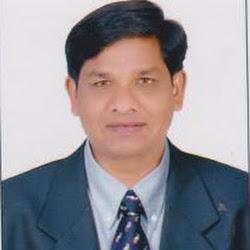 Dr gedam kamalakar
Effect of occupational exposure on hematological and biochemical parameters in workers at oil and gas companies
Petroleum refineries are largest chemical industries that are responsible for emission of several pollutants into the atmosphere. Benzene and its metabolites are regarded as the most hazardous compounds that are emitted by petroleum refineries. These contribute to toxic oxidants, which cause many serious health risks to petroleum refineries workers. This study was aimed to analyze the effects of chemical exposure on hematological and biochemical parameters among workers at Zawia oil refinery and Mellituh oil and gas refinery companies. A total of 200 workers participated in this study which consisting of two equal groups (each group: n = 100). The first group consists of petroleum refineries workers and the second group consists of non-oil work civil servants serving were recruited as exposed and control subjects, respectively. The results of blood picture, liver enzymes and kidney functions were compared between the groups. Mean white blood cells counts, platelet counts, and hematocrit count were significantly higher, while the mean red blood cells count was insignificantly changed in petroleum refineries workers. While the mean hemoglobin and corpuscular hemoglobin concentration levels were significantly lower, whereas the mean corpuscular volume and mean corpuscular hemoglobin levels were insignificantly changed in petrol refineries workers. Liver enzymes and renal functions were significantly higher in petrol refineries workers. The present findings indicate that occupational exposure to benzene causes significant alterations in hematological and biochemical parameters and workers are at high risk of developing blood, hepatic or renal related disorders. Protection and frequent medical attention should be given to petroleum refineries workers.
 Mediterranean journal of pharmacy and pharmaceutical sciences
Efficient detection of escherichia coli o157:h7 using a reusable microfluidic chip embedded with antimicrobial peptide-labeled beads
The ability of antimicrobial peptides (AMPs) for effective binding to multiple target microbes has drawn lots of attention as an alternative to antibodies for detecting whole bacteria. We investigated pathogenic Escherichia coli (E. coli) detection by applying a microfluidic based biosensing device embedded with AMP-labeled beads. According to a new channel design, our device is reusable by the repeated operation of detection and regeneration modes, and the binding rate is more enhanced due to even distribution of the bacterial suspension inside the chamber by implementing influx side channels. We observed higher binding affinity of pathogenic E. coli O157:H7 for AMP-labeled beads than nonpathogenic E. coli DH5α, and the fluorescence intensity of pathogenic E. coli was about 3.4 times higher than the nonpathogenic one. The flow rate of bacterial suspension should be applied above a certain level for stronger binding and rapid detection by attaining a saturation level of detection within a short time of less than 20 min. A possible improvement in the limit of detection in the level of 10 cells per mL for E. coli O157:H7 implies that the AMP-labeled beads have high potential for the sensitive detection of pathogenic E. coli at an appropriate flow rate.
A study on corporate social responsibility – a case study with reliance industries
Corporate social responsibility (CSR) is a self-regulating business model that helps a company be socially accountable—to itself, its stakeholders, and the public. Reliance Foundation (RF) is a not-for-profit organization established by RIL to bring about changes in Indian society seamlessly. CSR is for the community, it is equally valuable for a company. CSR activities can help forge a stronger bond between employees and corporations, boost morale and help both employees and employers feel more connected with the world.
 Vidya bhat
Zootherapeutics (animal-based remedies) for urolithiasis: history, current scenario and future dimensions
Animals like plants are also medicinal agents for preventing and curing different health problems worldwide, practically in all human cultures. Zootherapy is ancient and has strong evidence of the medicinal use of animal resources. Different animal body parts and preparations are used in folk medicines. Zootherapy reveals that medical practitioners have always considered animals a source of surprising and numerous therapeutic effects. A high diversity of animals, their parts, and derivative products are used, and this is a heritage that could constitute a fundamental step in the discovery and isolation of natural extracts and new and low-cost alternative drugs from animals. About 12% of people worldwide are affected by different types of urolithiasis; the recurrence rate in females is 47-60%, and in males is 70-80%. According to WHO, 75% of the population relies on traditional medicines to prevent and cure diseases. Hence, there is a need to concentrate on all folk natural products effective in urolithiasis for their pharmacological evaluation and isolation of single drug molecules responsible for anti-urolithiasis activity to develop suitable formulations against urolithiasis.
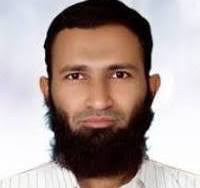 Dr. salman ahmed
Geotextile can be worth their cost in pavement
Geotextiles have been successfully used for reinforcement of soils to improve the bearing capacity. In this study geotextile as a tensional material have been used for reinforcement of granular soils. Laboratory California Bearing Ratio (CBR) tests were performed to investigate the load-penetration behavior of reinforced soils with geotextile. Samples of granular soil are selected and tested without reinforcement. Then CBR tests were performed by placing geotextile in one or two layers at various depths in soil sample. The effect of the number of geotextile on the increase in bearing capacity of reinforced granular soil is discussed.
Equity and equality in higher education-india calling…
Abstract Higher education in India is always a socio-political way and a powerful engine of social mobility. It adds to the benefits to society as more people earning Higher Education credentials. It is proven that college graduates earn more. They are less likely to be unemployed. They are more likely to vote, more likely to volunteer, and more likely to maintain good health. India as a Globalised and developing nation has been little systematically progressing on the educational front since its independence. The government is making progress in reaching out to all the classes of its society. The improvement in the country’s economic front has resulted in the upscaling of communication technology. The advent of the internet, have vastly leveraged the promotion of education across all verticals. But at the same time, the idea of Equity and Equality needs to be redefined in the present context of the newly established notion of ‘Inclusivity’. This paper deliberates on the various ideas and approaches of Higher Education in India on ‘Inclusivity’ in general and Equity and Equality in particular.
 Dr. preeti oza
Appraise a combination of fungicides against blast and sheath blight diseases of paddy (oryza sativa l.)
In present study various fungicides were screened against blast (leaf and neck) and sheath blight disease of rice. Among them, Conika 50% WP (Kasugamycin 5% + Copper Oxychloride 45% WP), Dhanucop Team (Tricyclazole 75% WP) and RIL-068/F1 48 WG (Kresoxim methyl 40% + Hexaconazole 8% WG) were found effective against blast diseases. While, the seed treatment fungicide Isotianil SC 200 and its combination with Trifloxystrobin 500 SC were found least effective against leaf and neck blast diseases. However, in case of sheath blight, Thifluzamide 24% SC, RIL-068/F1 48 WG (Kresoxim methyl 40% + Hexaconazole 8% WG), Propiconazole 25% EC (Tilt), Tricyclazole 75% WP (Beam) and a new combination fungicide, Fluxapyroxad 62.5 g/l + Epoxiconazlle 62.5 g/l EC (Adexar w/v EC) were found effective.
 Veerabhadraswamy al
Challenges experienced by students at stellenbosch university that hinder their ability successfully to learn online during the covid-19 era: a demographic and spatial analysis
The purpose of this meta-methods study (i.e., involving the full[er] integration of multiple methods research approaches and mixed methods research approaches) was to examine challenges experienced by students at Stellenbosch University that hinder their ability successfully to learn online during the emergency remote teaching that began in April 2020 due to the COVID-19 pandemic. Specifically, 1,932 students completed an online questionnaire. Analyses of the open-ended responses via WordStat 8.0.29 topic modeling (i.e., crossover mixed analysis) led to the identification of seven (challenge) themes that categorised the students’ challenges. In turn, via a principal component analysis of the themes (i.e., crossover mixed analysis), these seven themes were collapsed into four dimensions (i.e., meta-themes). A latent class analysis (i.e., qualitizing) yielded seven profiles of students. Disaggregating the themes by demographic and location variables led to the identification of subgroups who are most at risk for experiencing each challenge type. Implications of these and other findings are discussed.
 Dr emmanuel ojo
Estimation of oxalate contents in macrotyloma uniflorum (lam.) verdc., phaseolus lunatus linn., and phaseolus vulgaris linn
The seed flours of Macrotyloma uniflorum (Lam.) Verdc., Phaseolus lunatus Linn., and Phaseolus vulgaris Linn. were investigated for their total, soluble and insoluble oxalate contents by HPLC. The total oxalate content of Macrotyloma uniflorum, Phaseolus lunatus and Phaseolus vulgaris were 1.24, 1.77 and 1.71 mg/ g, respectively. The % age of soluble oxalate was Macrotyloma uniflorum (19.50), Phaseolus lunatus (15.08) and Phaseolus vulgaris (15.88). The calculated soluble oxalate: calcium ratio of all tested legume flours is lesser than one and hence will not create any resistance in calcium bioavailability.
Épuisement des réserves et conflits fonciers inter-collectivités dans l’ouest de la région des savanes au nord-togo
L’émergence des territoires et l’épuisement des saltus stimulent des questions foncières longtemps restées en veilleuse. Au T ogo en général et spécifiquement dans l’Ouest de la Région des Savanes, la terre est une propriété privée des lignages. Le droit foncier y repose sur la prééminence du droit du premier occupant et matérialisé par une divinité appelée Tingban. L’insuffisance des preuves de prééminence et l’authenticité des fétiches, source de droit, opposent souvent les collectivités. La présente étude décrit l’épuisement des ressources foncières et analyse les conflits fonciers qui opposent les collectivités dans l’Ouest de la Région des Savanes. La méthodologie adoptée repose sur l’observation participante, la recherche documentaire et les entretiens. Les résultats révèlent de nombreuses disputes socio-foncières qui opposent les lignages, les villages et les cantons. Les collectivités contestent entre elles, les droits de paternité sur les terres dans 74% des cas alors que 26% des querelles foncières sont dus aux remises en cause des limites des propriétés collectives. Ces contestations plongent leurs racines dans la complexité du droit foncier coutumier fondé sur la prééminence du droit du premier occupant. Elles sont aussi liées à la non maîtrise des limites des domaines fonciers lignagers et des territoires cantonaux respectivement par les descendants, les chefs de villages et les chefs de cantons.
Variables affecting academic procrastination among nursing students
Background: The deliberate postponement of significant academic assignments with due dates is known as academic procrastination. The undesirable habit known as procrastination is the inability to start or finish a task within the allotted time, which results in detrimental effects on students' future employment, as well as stress, guilt, poor academic achievement, and low self-esteem. Method: Descriptive Research design was adopted for a study to assess the Variables influencing Nursing students' Academic Procrastination at selected Nursing college of Bhopal, M.P. Sample size 60 B.Sc. Nursing students. Result: Result revealed that majority of students were females, 27 out of 60 were in age group of 20-21yeras, 25 (41.6%) were studying in B.Sc. N 3rd year. Most of students resided in Rural area (36), 54 out of 60 belong to nuclear family and 35 mothers of students were educated as compared to 51 fathers. The mean score and SD of influencing variables of academic procrastination were as follows Personal variable was 2.6 ± 0.48, Environmental 2.26 ± 0.71, and Academic was 1.78 ± 0.41. Majority of nursing students 39 (65%) were moderately affected by Personal variables, Environmental variables affected 23 (38%) students moderately and academic variables affected 17 (28%) students moderately. Only Personal factor had more effect on 5 students as compared to none in other two variables. Conclusion: The study concluded that Environmental and personal factor had more effect on Academic procrastination as compared to academic variables.
 Dr k c yadav
Sexuality, democracy and human rights
Sexuality is a subject to be discussed without shying-away. This essay, discusses about how sexuality of a certain minority people in India and across borders, are being perceived by people in various countries and the consequences faced by the people whose sexuality seems deviant i.e. the sexual minorities from the majority . This essay provides illustrations in the form of research done by various sources that provides such evidences that paint a different picture of the sexual minorities viz. Lesbian, Gay, Bisexual, Transgender, Intersex and Queer (LGBTIQ) people in India and across the world aiming at eliminating the prejudice against them.
Leveraging iks in business and management – a roadmap for viksit bharat 2047
This paper investigates the transformative potential of Indian Knowledge Systems (IKS) in modern business and management practices, aligning with India's vision for "Viksit Bharat 2047"—a roadmap toward becoming a developed nation by 2047. Integrating ancient Indian wisdom with advanced Artificial Intelligence (AI) provides an innovative framework for enhancing decision-making, sustainability, and innovation across diverse industries. This study aims to incorporate key IKS principles such as holistic management, ethical leadership, and community-centered business models into AI-driven methodologies to create a forward-thinking approach in Indian business contexts. Using a mixed-method research design, the study combines qualitative insights from traditional Indian texts with quantitative analysis of case studies where IKS principles are applied in contemporary businesses. The findings reveal that concepts like ―Dharma‖ (ethical responsibility), ―Artha‖ (resource management), and ―Karma‖ (action-driven leadership) play a crucial role in corporate governance, social responsibility, and achieving sustainable development goals when combined with AI's analytical power. This synergy addresses current challenges, including environmental sustainability, social equity, and ethical governance. The research demonstrates that a balanced integration of AI and IKS can foster inclusive and sustainable growth, supporting India's self-reliance and competitiveness on a global scale. The paper provides a roadmap for academics, policymakers, and business leaders to leverage IKS with AI, aiming for an innovative and resilient India by 2047.
Pygmalion effect and the process of coming –out: an exploratory case study on the identity development of student homosexuals
This exploratory case study employed Appreciative Inquiry Framework in answering the following questions: 1) What are the expectations set by the following to the student homosexuals; a) Self, b) Parents and c) Teachers; 2. What are the positive and negative effects of these expectations to the student homosexuals? and 3) How do these expectations affect the process of identity development of the student homosexuals?. The participants are five college students who identified themselves as homosexual. Written consent was secured to ensure that the research abides to the ethical standards. The data was triangulated through analysing the point of view of the student participants, their parents and their teachers. Results revealed that expectations set by the student homosexuals, their parent and teachers are all contributory factors that affect the identity development of student homosexuals. Moreover, it was revealed that those who have problems in their identity development experienced difficulties in their performance in school. Positive and negative effects of expectations were also noted as the participants shared their stories. With the results, it was recommended that teachers must treat all their students equally regardless of their gender preferences in life. Activities that support the holistic personalities of students must be given emphasis. The parents must support their children in whatever endeavour they take and provide them guidance to be successful in their academic pursuits. Lastly, a model of counselling procedure for student homosexuals was proposed.
 Darrel ocampo
India’s trade growth: a comprehensive analysis of import and export
India’s economic system has undergone significant changes in recent years reflecting globalization and changes in national policies. This paper provides a comprehensive analysis of India’s economic growth, focusing on imports and exports. The study explores the key drivers of economic expansion, including trade liberalization, trade agreements, and technological advancement. It also explores the impact of international trade and geopolitical events on business models. It assesses the role of policy measures such as the Goods and Services Tax (GST), the Make in India initiative, and various free trade agreements in generating economic benefits. The paper also assesses the trade balance and its impact on India’s economic stability and growth. The paper concludes with recommendations for improving the market, including diversifying entrepreneurs, investing in infrastructure, and strengthening the domestic economy. The review provides insights to policymakers, businesses, and academics who want to understand and harness India’s economic potential in the global economy
Physicians' attitudes, expectations, and experiences about clinical pharmacists and the barriers they have in developing a collaborative relationship with them
The purpose of this study was to determine the attitudes, expectations, experiences, and barriers that physicians in Tripoli hospitals experienced when working alongside Clinical Pharmacists (CPs). A descriptive self-administered questionnaire was used for the study, and participants were selected from several Tripoli hospitals. Most of the respondents agreed that CPs are an essential part of patient care teams and that they have the legal authority to review a patient's medication regimen and response. More than half of respondents believe CPs must be responsible for the medications they prescribe to patients. Half of the respondents agreed that CPs should be encouraged to play a more active role in hospitals and other healthcare facilities. The majority of participants agreed that CPs should participate in managing drug side effects and almost half agreed that CPs can contribute to decisions about drug interactions. By a low agreement rate, 42.7% of respondents thought CPs were specially qualified to counsel patients on drug therapy. A similar low trend was observed, with 40.9% agreeing to provide pharmacists with additional responsibility and authority in clinical departments, in contrast, 54.5% expressed their concern about the clinical responsibility of CPs in clinical practice. A minority of physicians agreed that Physicians should consult pharmacists in selecting the best pharmacological treatment. At the same time, the majority think that pharmacists lack clinical skills and 61.8% feel that physicians are unable to communicate effectively with CPs. 43.6% acknowledged that the traditional opposition between the two professions was a barrier to interprofessional collaboration while the absence of pharmacy space in clinical settings was cited by 39.1%. A majority of respondents agreed that physicians and pharmacists may improve their interprofessional collaboration by raising their awareness about it. A minority of respondents thought that laws and regulations governing physician collaboration should be put in place to promote effective collaboration between physicians and CPs. The study discovered that although most physicians endorse the introduction of clinical pharmacy services in hospitals and believe that physicians and pharmacists can collaborate on many tasks, respondents were not as impressed with the CPs' performance and believed that they lacked the professionalism required to carry out clinical responsibilities successfully. To facilitate the growth of clinical pharmacy services, laws and regulations must be put in place.
Mediterranean journal of pharmacy and pharmaceutical sciences
Antiurolithiatic plants of acanthaceae, amaranthaceae, amaryllidaceae, anacardiaceae, apocynaceae, arecaceae, asparagaceae, aspleniaceae, caesalpiniaceae, capparidaceae, caryophyllaceae, chenopodiaceae, cucurbitaceae, cupressaceae, ericaceae, equiset
Urolithiasis is a common worldwide problem with high recurrence. This review covers Euphorbiaceae twenty (20), Cucurbitaceae eighteen (18), Acanthaceae and Amaranthaceae fifteen (15), Cupressaceae twelve (12), Caryophyllaceae eleven (11), Anacardiaceae ten (10), Amaryllidaceae, Apocynaceae and Asparagaceae nine (09), Ericaceae and Equisetaceae eight (08), Arecaceae and Caesalpiniaceae seven (07), Chenopodiaceae six (06), Aspleniaceae, Capparidaceae and Crassulaceae five (05) plants used globally in different countries. Hopefully, this review will not only be useful for the general public but also attract the scientific world for antiurolithiatic drug discovery.
Indonesian crisis communication response after deliberate forest fires and transboundary haze
The issue of deliberate forest fires that set illegally in Indonesia by plantation companies in their slashand-burn forests to clear lands for lucrative palm oil plantations and its caused transboundary haze became a hot issue for discussion. These fires have a negative influence on Indonesia and its neighbourhood countries, especially on their financial and human resources such as environment, economy, properties, and people. Using the right strategies in responding to any crisis determines the success of its management and coping with that crisis with minimal losses. This study aimed to examine the communication crisis response by Indonesia to this crisis by using image repair theory. Also, this study examined how image repair strategies were used by Indonesia. This study analysed the content of news stories from the website of the New Straits Times newspaper. The time frame of this study was from 2015 to 2019. A total of 87 news stories have pertained to Indonesian response, and 37 stories included image repair strategies. Among the strategies of image repair theory, corrective action strategy was the most dominant with 70%, followed by 10.8% for each shift the blame and attack accuser. The least used strategies were mortification and simple denial with 5.4% and 2.7% respectively.
 Mohammed fadel arandas
General meaning relation - definite / indefinite meaning in noun class
The general meaning of a word is the representation of the type from it, in linguistic contexts and certain grammatical forms and this meaning is opposed to the individualized meaning, the separation of a unique item of the type, distinguishable from others. The general meaning seems like a grammatical meaning that is not formally sufficiently marked, but the indefinite articles and the suffixes, in addition to other grammatical meanings, can also express a general meaning in certain contexts. A definite meaning of the noun is generally considered the meaning of the noun in the definite form and indefinite meaning the one of the indefinite noun. But how does the general meaning relate to them? Nouns with general meaning, whether in the indefinite form or in the definite form are meaningfully definite. Both the speaker and the listener know the class that the general noun marks. Despite the formal indefiniteness / definiteness, nouns with a general meaning are semantically definite.
Most Popular Category
- Pharmacy (270)
- Education and social science (224)
- Pharmacology (223)
- Pharmacognosy (178)
- Business management (147)
- Pharmacology and toxicology (134)
- Education and training (131)
- Pharmaceutical sciences (130)
- Medicine (129)
- Research (123)
- Health Science (100)
- Biological Sciences (99)
- Management (98)
- Computer Science (94)
- Public health (91)
- Computer Science Applications (87)
- Human resource management (83)
- Engineering (79)
- Accounting and finance (73)
- Information technology (69)